A White House Correspondents’ Weekend case study in queue-free, editorial-style event photography.
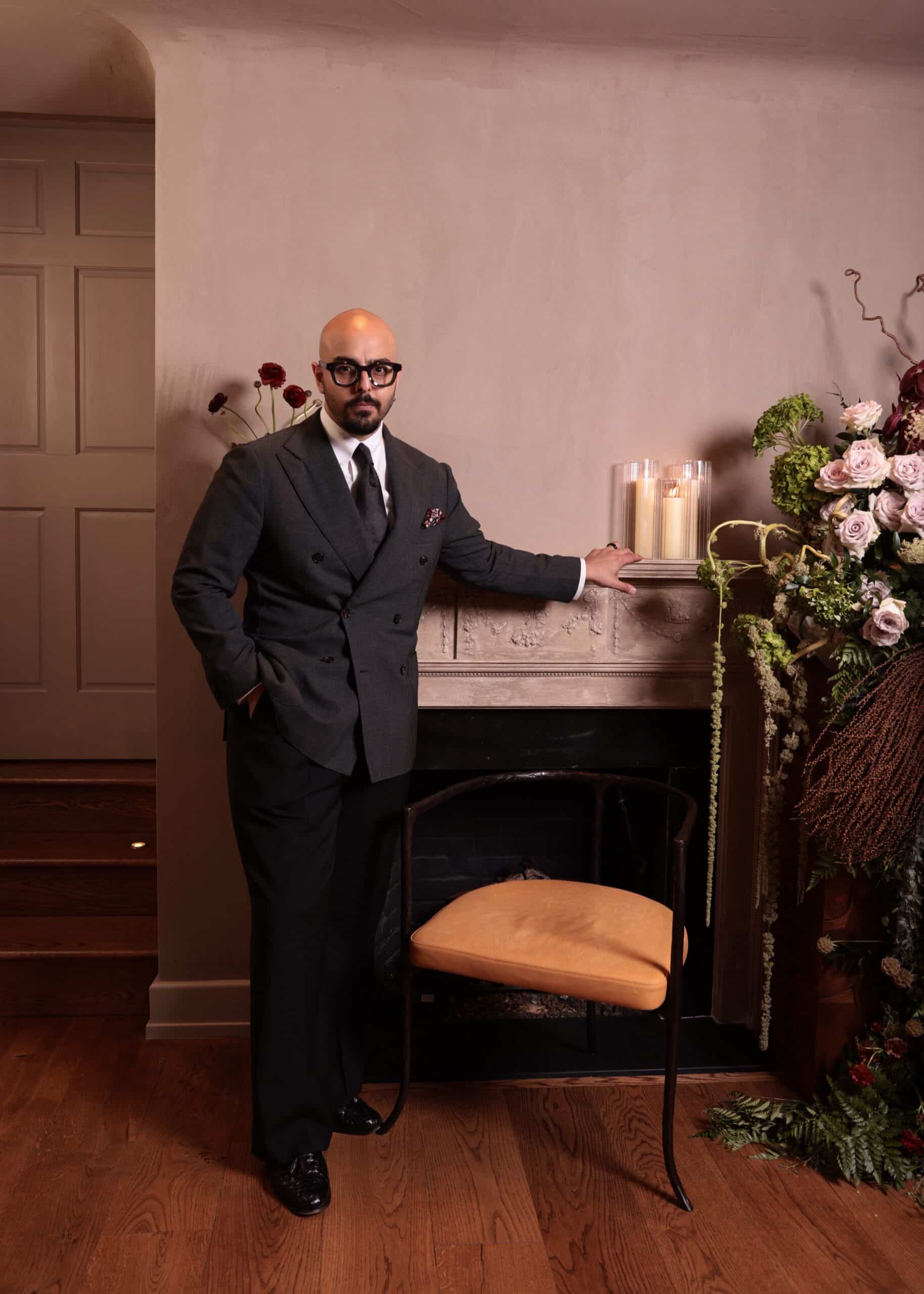
Photo experiences at high-profile events have a problem most planners don’t anticipate until it’s too late: they create the congestion they’re supposed to cure.
A polished setup draws attention. Attention draws guests. Guests form a line. And suddenly the most premium element of your event is producing a bottleneck — pulling people out of the room, disrupting flow, and sending the wrong signal about how well this event is run.
For corporate event planners, gala producers, and brand teams in Washington DC, this is a real operational tension. You want a beautiful, editorial photo experience. You need it to work without interfering with everything else you’ve built.
Here’s how we solved it
The assignment: White House Correspondents’ Weekend
We were brought in to design and execute a private photo experience for a high-profile gathering during White House Correspondents’ Weekend — one of DC’s most demanding event environments. The guest list was distinguished. The expectations were exacting. And the tolerance for anything that felt crowded, rushed, or disorganized was essentially zero.
The client didn’t just want beautiful portraits. They wanted:
Exclusivity. Every guest should feel like the experience was designed for them specifically — not something they stumbled into.
Efficiency. No disruption to the event’s natural energy or flow.
Seamlessness. The photo experience should feel embedded in the event, not inserted into it.
“The goal wasn’t to add a photo booth. It was to design a system that made the entire event feel more considered.”
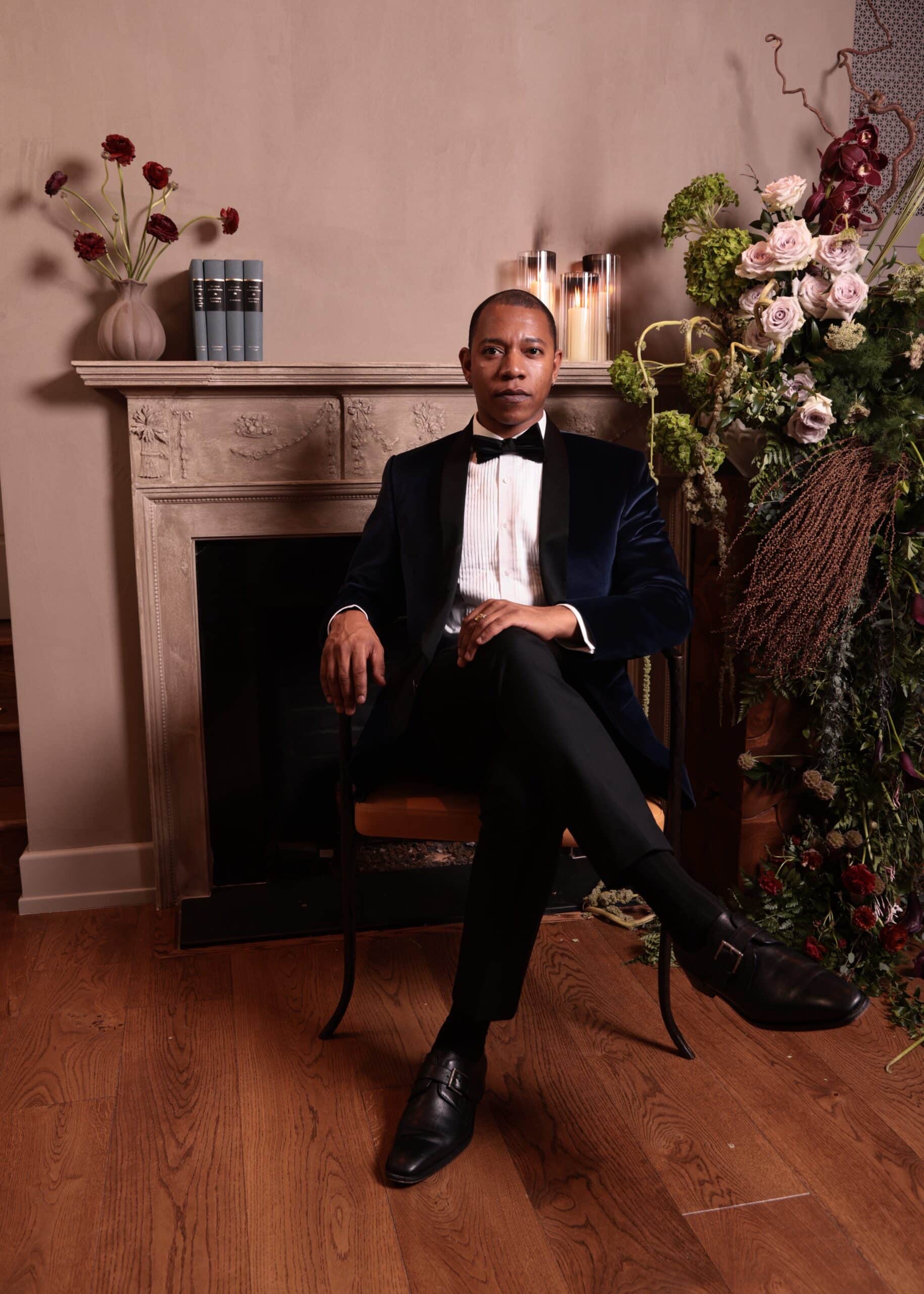
Traditional photo setups — regardless of production quality — fail this brief for one reason: they’re built around physical lines. And at this level, a visible line isn’t just an inconvenience. It signals disorganization, overcrowding, and a break in the guest experience.
So we didn’t optimize the line. We removed it entirely.
The system: queue-free, private, editorial
Step 1 — Virtual queue entry via QR code
Instead of directing guests to a physical line, we placed them into a digital queue via QR code at the point of entry. From that moment, they were free to network, dine, or move through the event without any obligation to stand and wait.
Step 2 — Real-time text notification
When a guest’s session was ready, they received a text message alert. The experience came to them — not the other way around. For a VIP audience, this single shift in logic changes the entire psychological dynamic of participation.
Step 3 — Private editorial portrait sessions
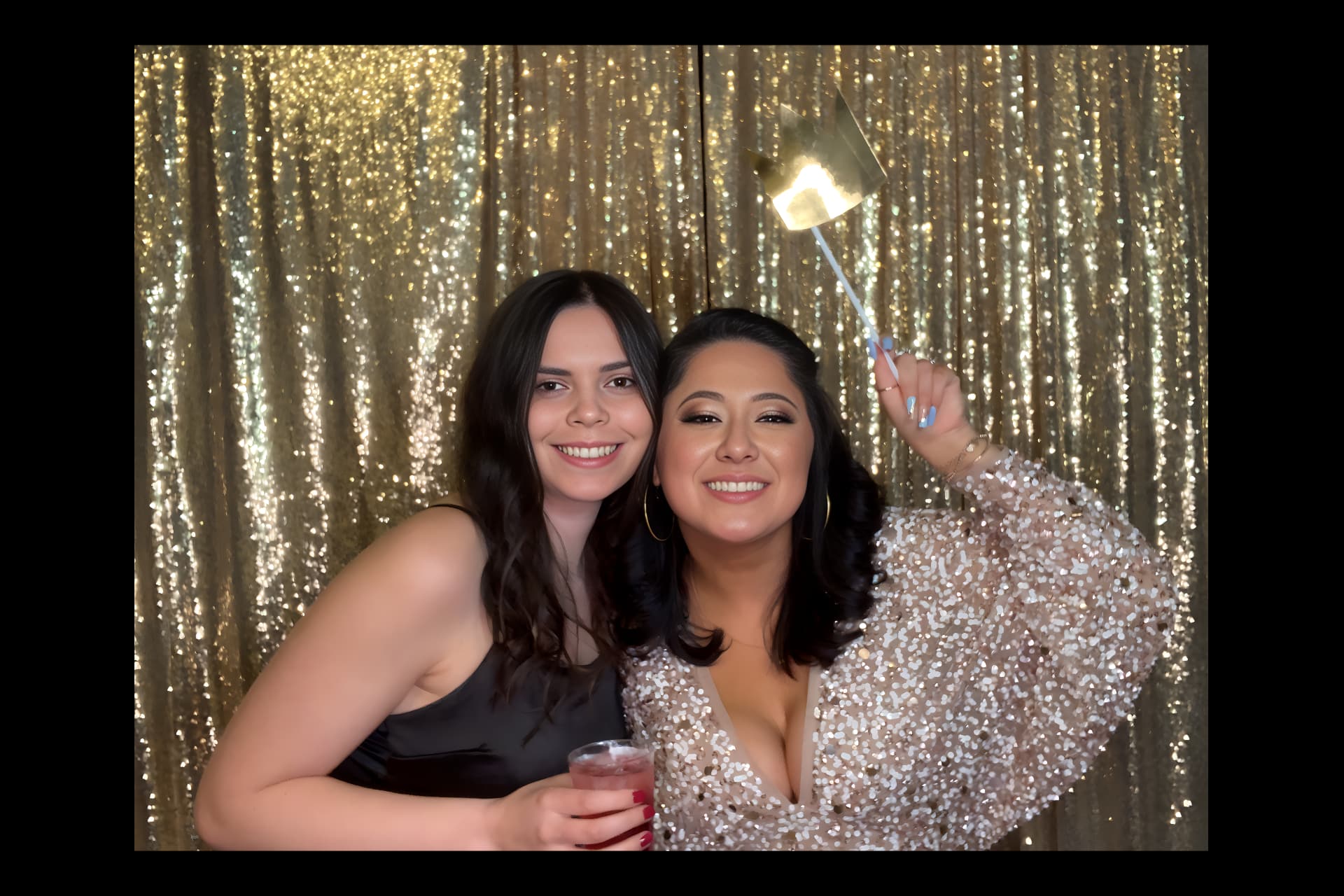
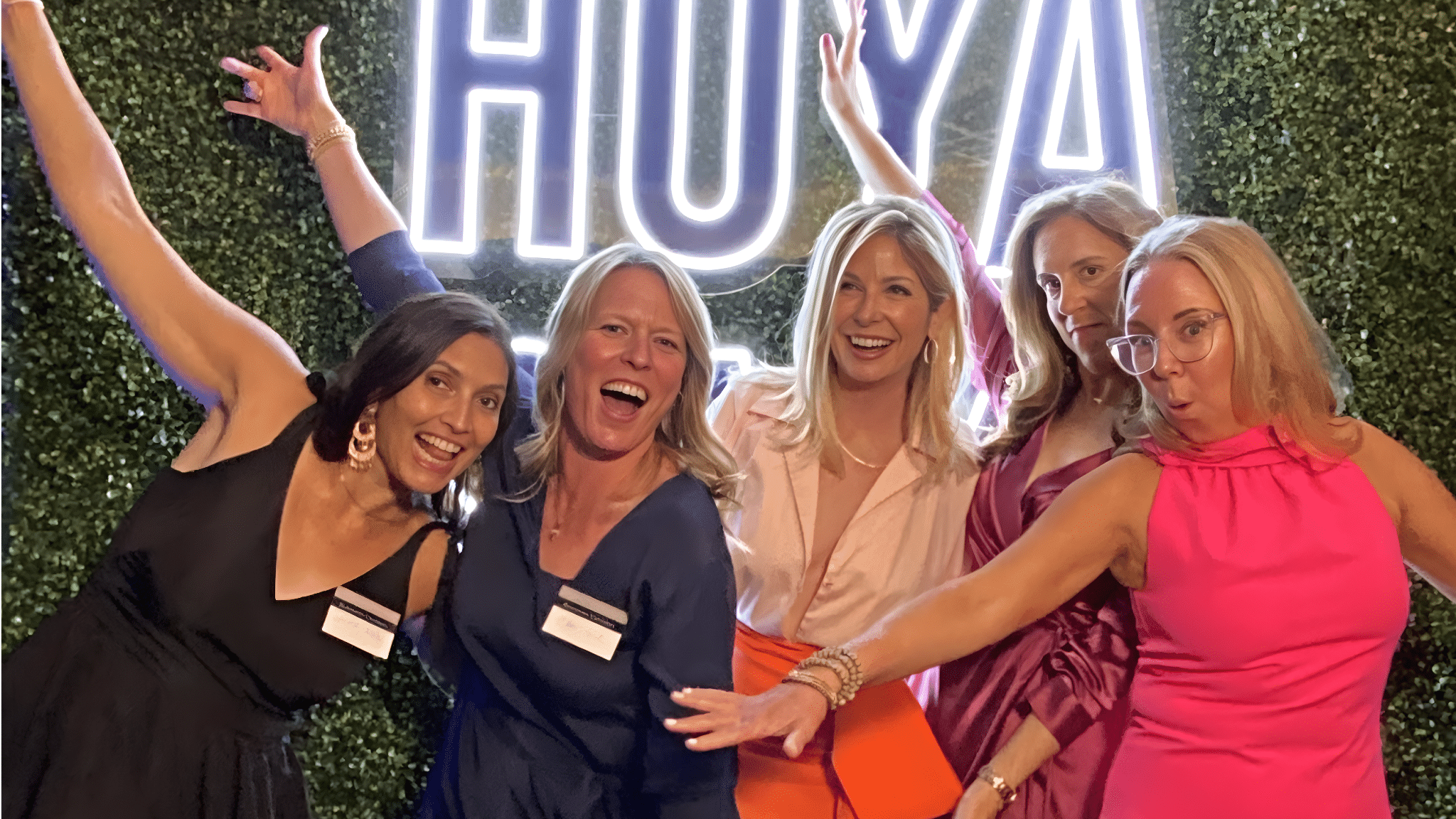
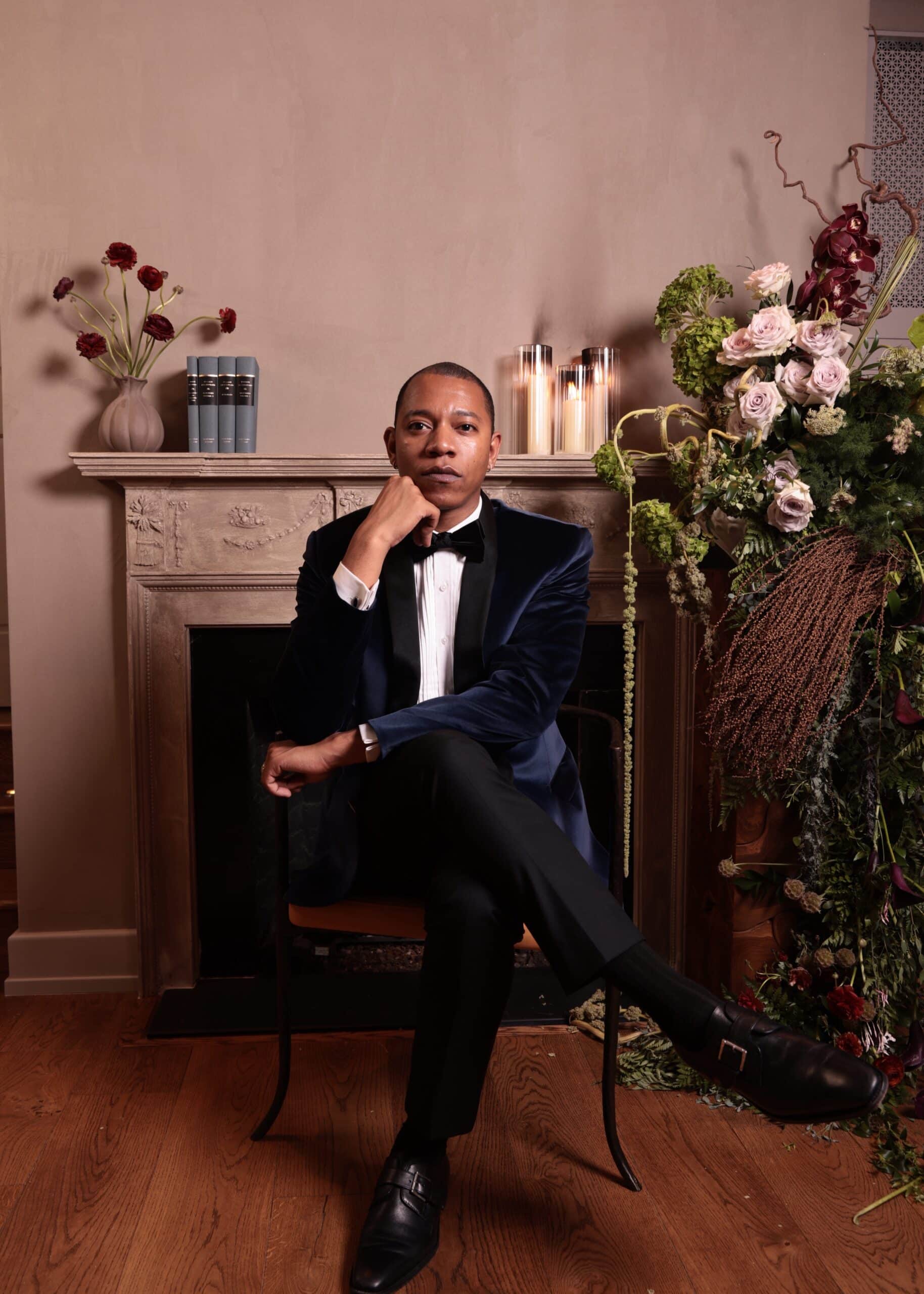
Each guest entered a controlled, magazine-style environment for a dedicated 5–7 minute portrait session. No audience. No pressure. No rushing to fit the next person in.
The experience moved from “wait your turn” to “this was designed for you.”
Why this works operationally — and why it matters for planners
It protects event flow
No visible lines means no crowd buildup, no blocked pathways, and no disruption to the room’s energy. The photo experience becomes part of the event’s natural rhythm — not a competing element guests have to choose between.
It elevates perceived value
Private sessions create a meaningful psychological shift. Guests feel selected, not processed. That distinction is critical for VIP audiences, brand-sensitive environments, and any event where the quality of the guest experience is part of the message being sent.
It increases participation by reducing friction
Counterintuitively, removing the commitment required to participate actually increases opt-in rates. When guests don’t have to wait or commit upfront, the natural response is engagement — not avoidance.
Delivery: where most photo experiences actually break down
Execution rarely fails at capture. It fails at delivery.
We built a two-path delivery system designed so that no guest left without their images:
Facial recognition delivery (opt-in): Guests who opted in automatically received every image they appeared in, delivered directly to their phone — no searching, no links to dig through, no missed moments.
QR code gallery access: For guests who preferred manual retrieval, a QR scan opened an instant, private gallery. Clean. Immediate. Personal.
Every guest walked away with a personalized photo gallery — not a generic album link.
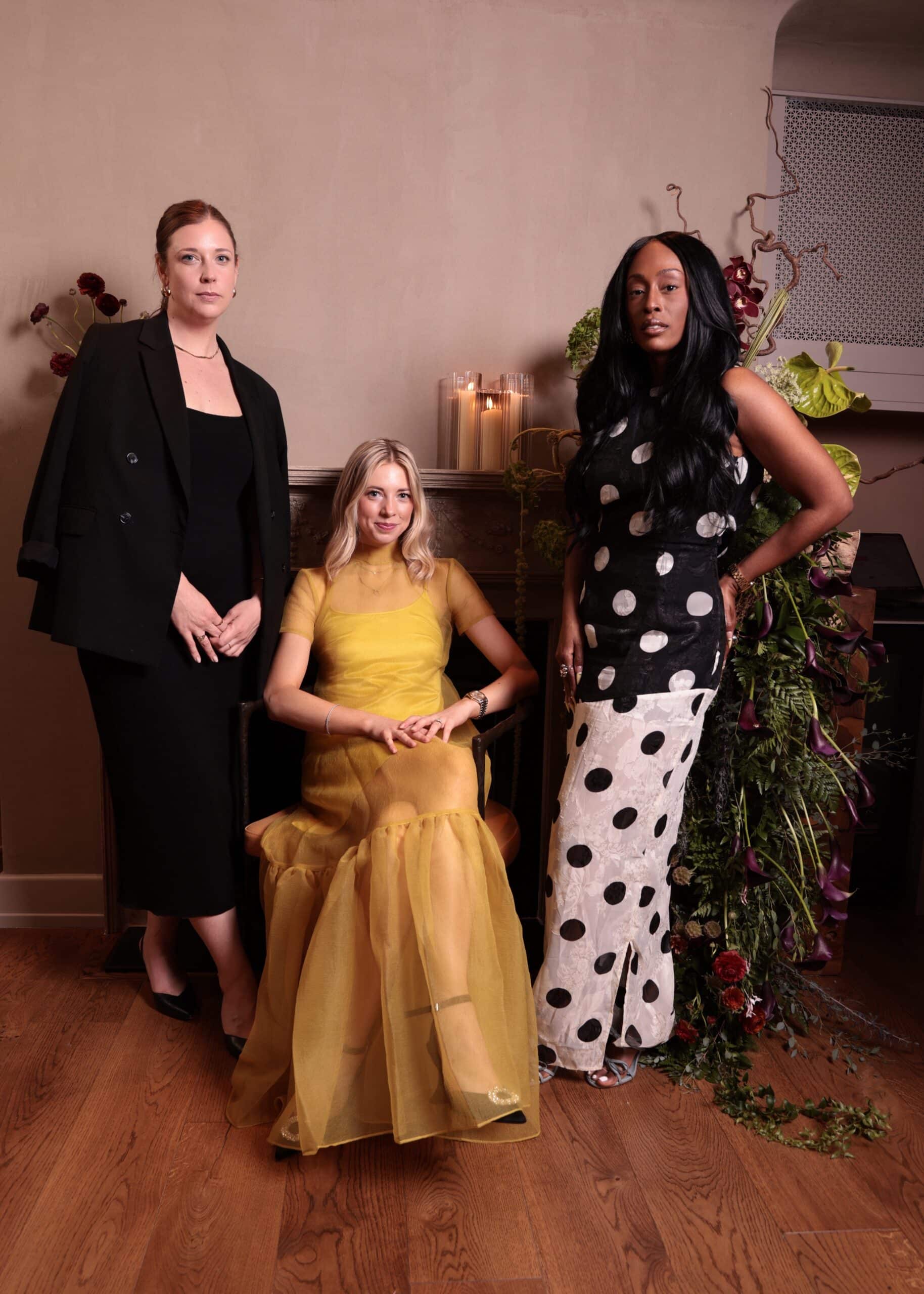
Brand integration: embedded, not applied
At this level of event, branding that feels slapped on is worse than no branding at all. We integrated the client’s brand in a way that was editorial in feel, cohesive with the environment, and aligned with the overall tone of the event.
Guests interacted with the brand naturally — as part of the experience itself, not as an interruption of it.
The result
No lines or congestion. Continuous guest flow. High participation without disruption. Elevated, editorial-quality portraits. Instant, personalized delivery.
Most importantly: the experience felt intentional — not inserted.
What this means for your next event in DC
If you’re planning a gala, corporate event, convention activation, or high-profile private gathering in Washington DC, the question worth asking isn’t “should we have a photo experience?”
It’s: “Will it enhance the event — or interfere with it?”
That’s the standard we design to.
Planning an event in the DC area?
We design strategic photo experiences built for guest flow, brand perception, and seamless execution.