

14,000 attendees. One of the smallest footprints in the room. A line that ran for hours. What happened at this Washington DC beauty industry trade show is the clearest lesson I know about what actually drives engagement at a conference activation.
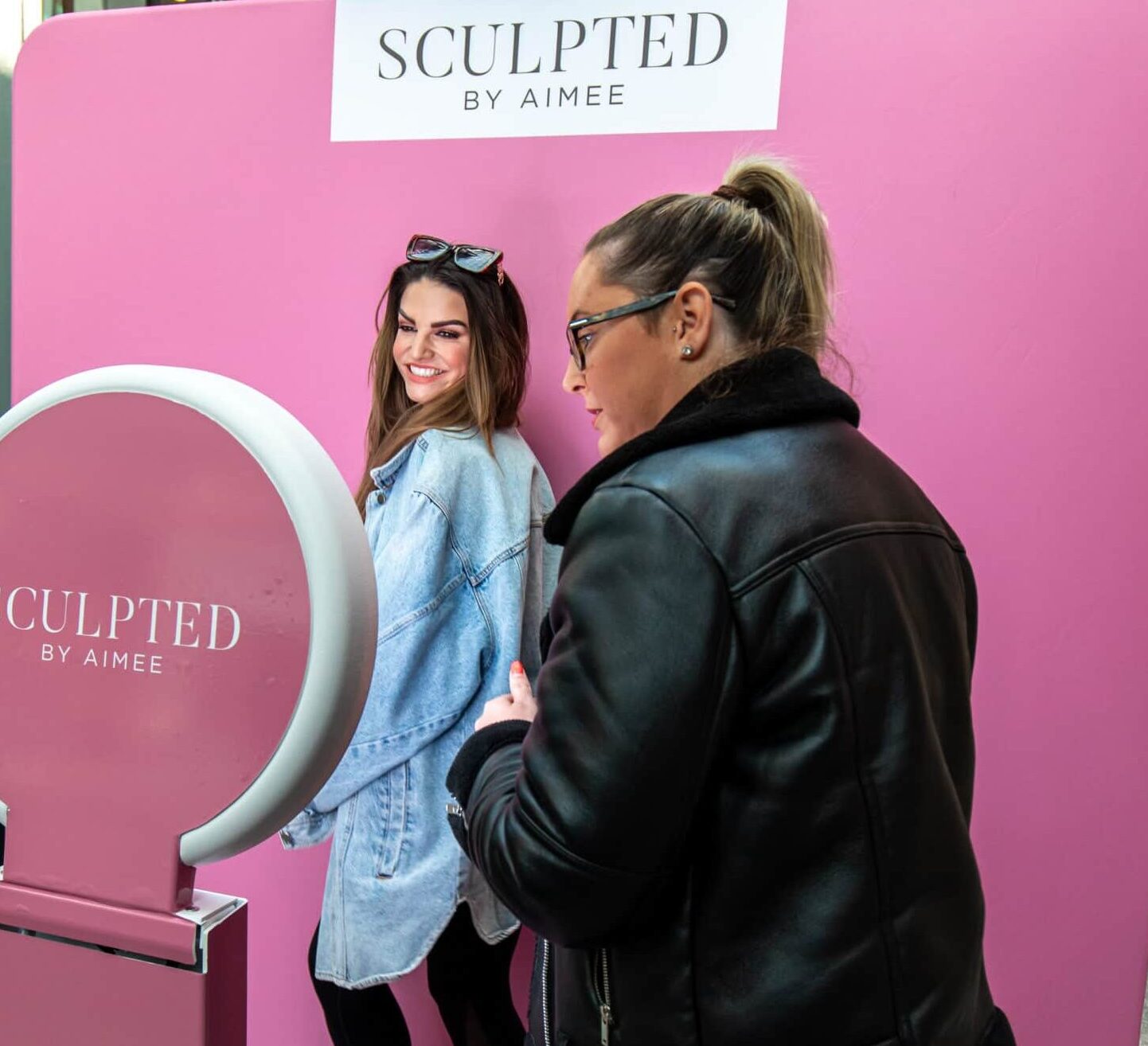
We were not the biggest setup in that room. Not even close. It was a beauty industry trade show in Washington DC — 14,000 attendees, a floor packed with elaborate displays, large-format signage, and exhibitors who had spent serious money on their presence. Our footprint was compact. The backdrop was beautiful. The lighting was dialed in. And the line at our print booth ran for hours.
I have thought about that event a lot since then — not because it was our largest activation, but because it taught me something that I try to explain to every planner I work with. Size is not what draws a crowd on a conference or trade show floor. Experience is. And experience is not about square footage — it is about what a guest can see, feel, and anticipate the moment they walk past your setup.
Here is exactly what happened, and what every DC-area event planner should take from it.
What Guests Could See Before They Ever Stepped In
The first thing I noticed as the event got underway was how guests were navigating the floor. They were not reading signs. They were not stopping at every booth in a methodical sweep. They were moving toward what looked interesting — toward whatever caught their eye from twenty, thirty, forty feet away.
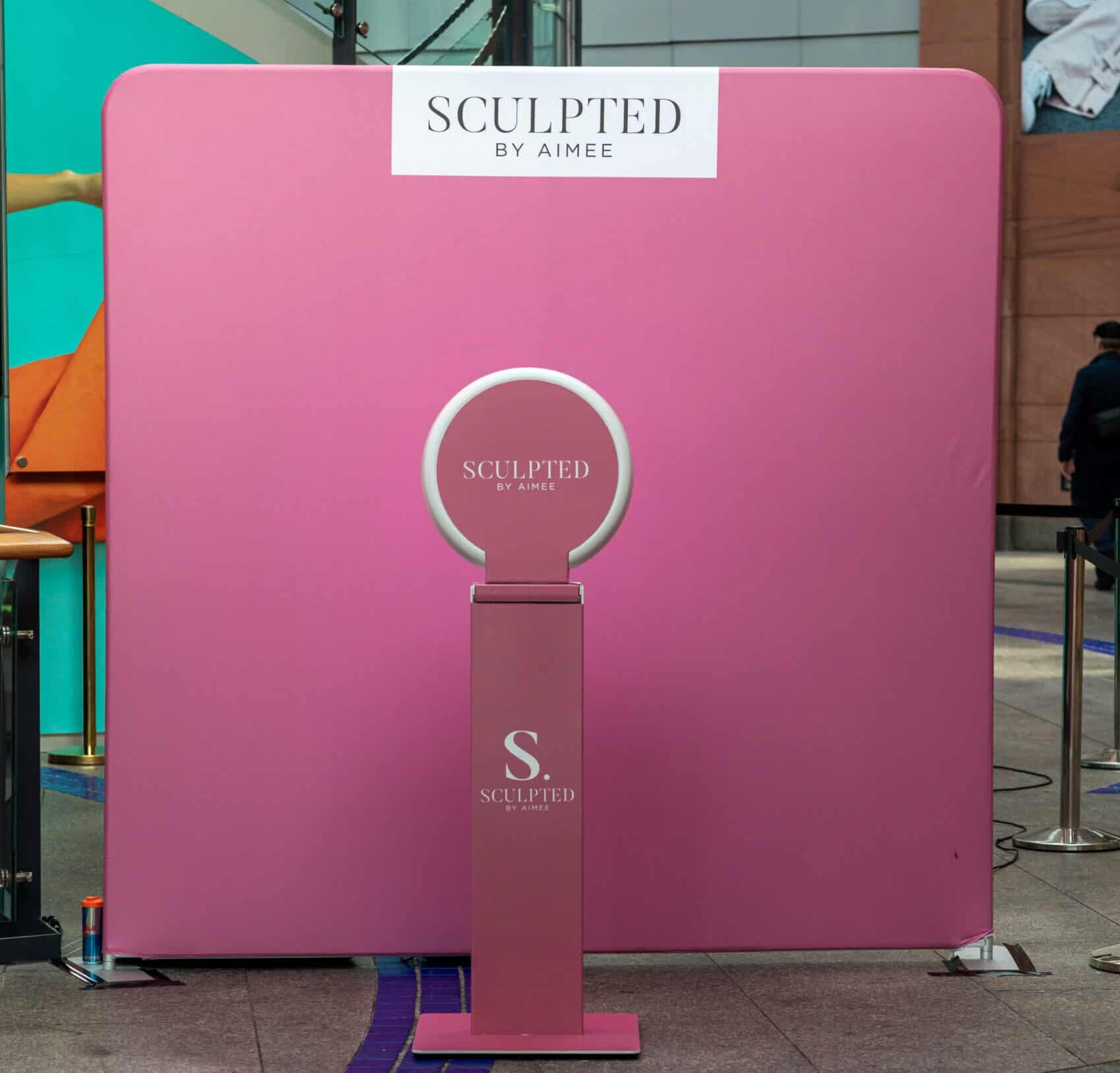
Our setup caught eyes because the backdrop was designed to. This was a beauty industry event, which means the attendees had a trained visual sensibility. They noticed quality. They noticed when something looked intentional versus when something looked like it came out of a rental catalog. The backdrop we brought was beautiful in a way that read clearly from across the floor — and in a room full of beauty professionals, that signal mattered immediately.
The lighting did the rest of the work. Professional, flattering lighting at a photo activation is not an aesthetic detail — it is a promise. When a guest can see from a distance that the lighting is good, they know the photo is going to be good. And when they know the photo is going to be good, they want it. That is the decision that starts the line.
“A guest decides whether to engage with your activation from across the room — before your brand ambassador says a word. The backdrop and lighting make that decision for them.”
What Happened Once Guests Stepped Inside
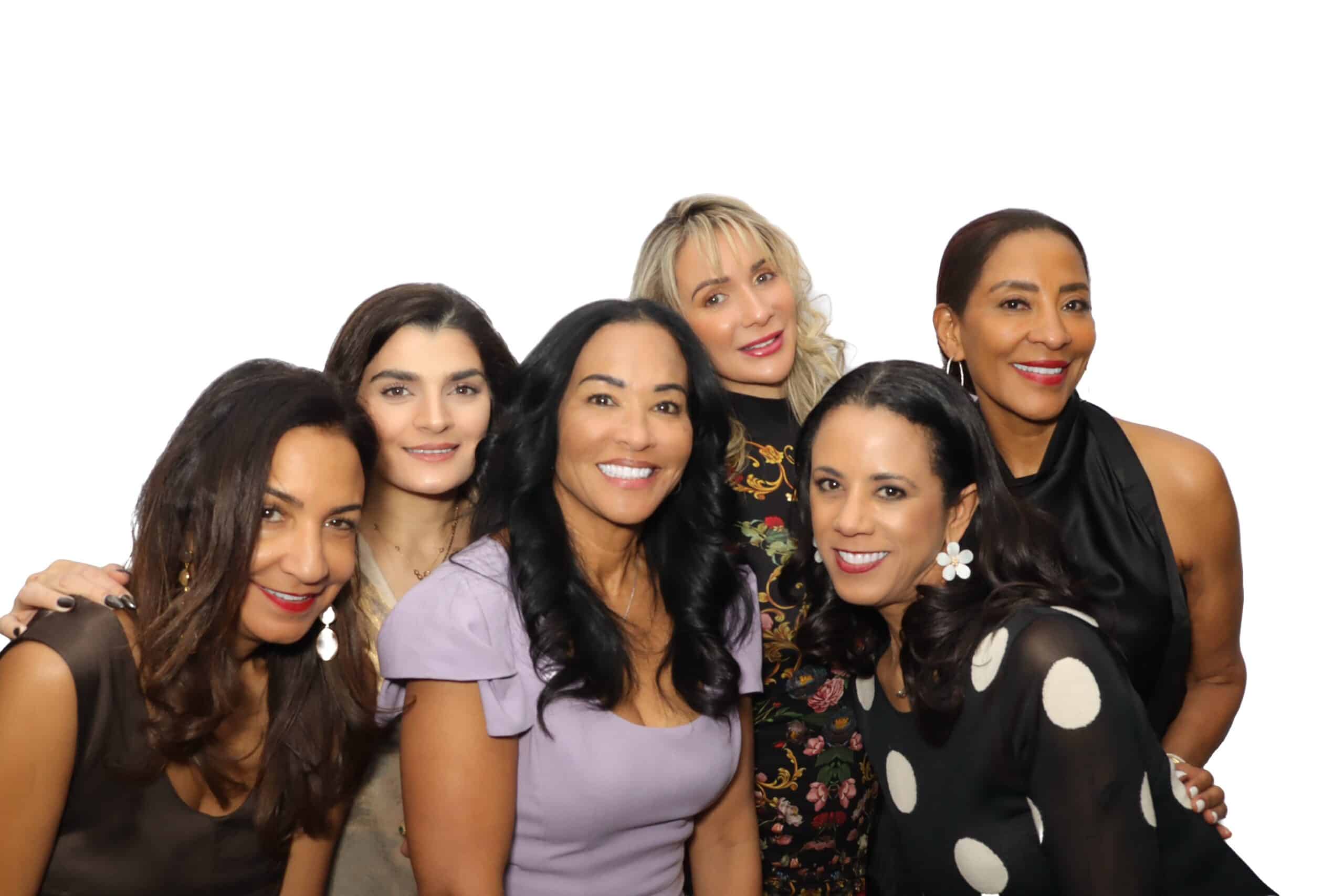
Here is the thing about a well-designed activation that I did not fully appreciate until I started watching guests move through them: they do not just take a photo and leave. They look around. They engage with the space. They notice the curated signs, they pick up the props thoughtfully, they talk to each other about what they see.
At this beauty trade show, guests were stepping into the booth and then pausing — genuinely pausing — to take in the environment. The curated signs were a big part of that. We do not use generic prop signs. The signs we bring are selected and sometimes designed specifically for the event’s context and audience. At a beauty industry event, those signs landed differently than they would at a financial services conference — and we knew that going in.
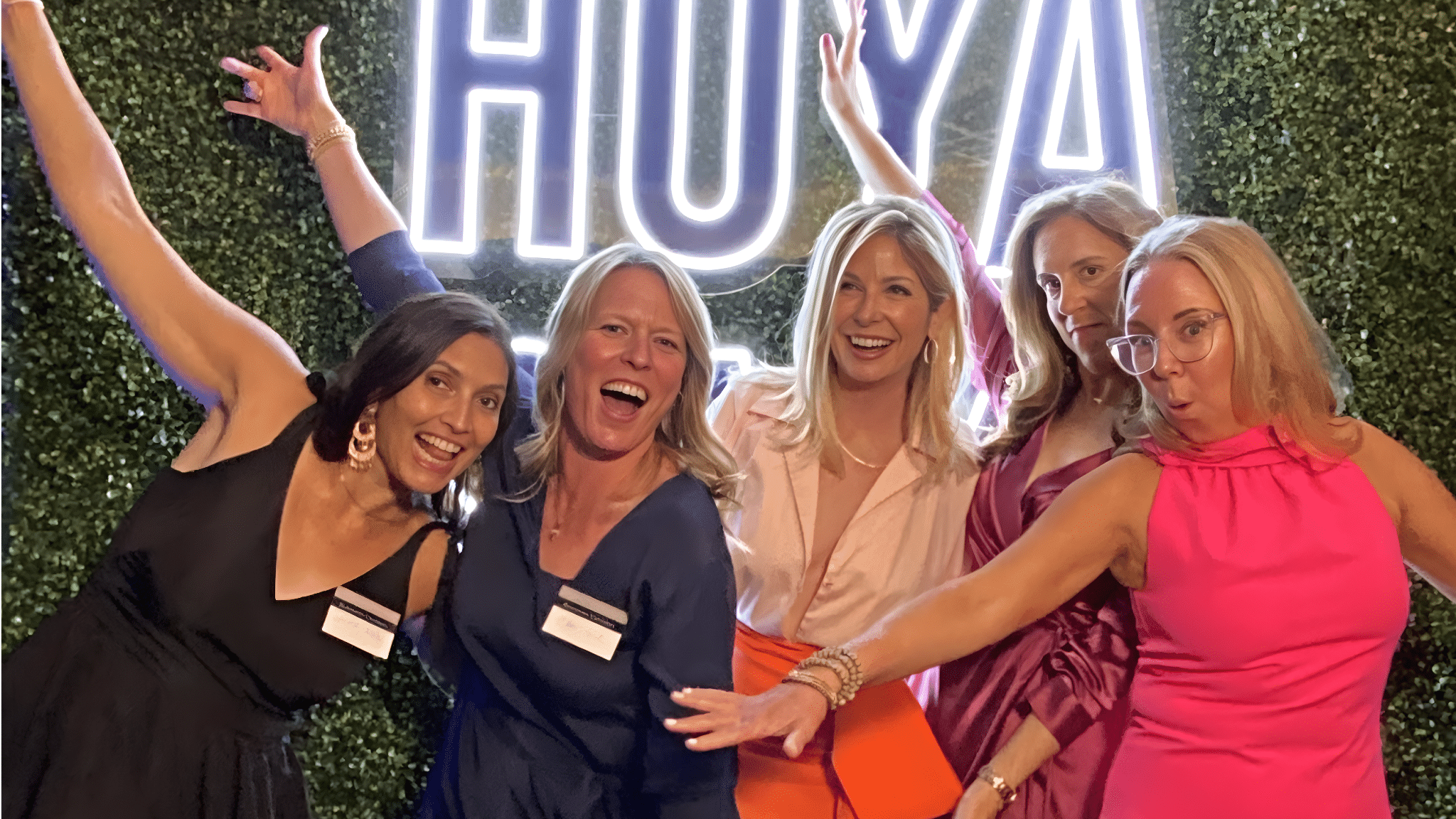
What that pause created was dwell time. Guests who stayed in the activation space longer were guests who had a richer experience. And guests who had a richer experience were guests who talked about it afterward — to the people they came with, to the colleagues they ran into on the floor, and on social media when they shared the photo. The line built because the experience inside the booth was worth talking about. Word traveled fast in a room of 14,000 people.
“The planner told me afterward that the photo activation was the highlight of the event. Not the keynote. Not the product launches. The activation that took up one of the smallest footprints in the room.”
The Role Brand Ambassadors Actually Play
I want to be direct about this because it is the most common mistake I see at trade show and conference activations: a booth in a corner with no one actively working the floor is not an activation. It is equipment waiting to be discovered. And on a busy trade show floor, most of it will not be.
Brand ambassadors are not a support function at a photo activation. They are the activation. Our ambassadors at this event were working the floor — making eye contact, extending invitations, creating the moment that turned a passerby into a participant. That transition, from someone walking past to someone stepping in, almost never happens on its own in a crowded trade show environment. Someone has to create it.
What the ambassador does is not a hard sell. It is a warm invitation tied to something the guest already wants — a beautiful photo of themselves at an event they care about. At a beauty industry trade show, that is an easy invitation to extend. The ambassador reads the guest, makes the connection, and guides them into an experience they are going to enjoy. The booth does not do that. The person does.
Do brand ambassadors really make a difference at a trade show photo activation?
Brand ambassadors are not a support role at a photo activation — they are the activation. A booth placed in a corner with no human presence will be walked past by the majority of attendees regardless of how well it is designed. The ambassador creates the moment: they make eye contact, extend the invitation, and guide the guest into an experience they would not have sought out on their own. Every long line we have seen at a trade show activation started with a brand ambassador working the floor, not waiting at the booth.
What the Planner Said Afterward
After the event wrapped, the planner told me the photo activation was the highlight of the day. I hear some version of this often — and every time, it is a reminder that the guest experience at a well-executed activation outperforms expectations that were set for a much larger investment.
What planners are responding to when they say that is not the technology or the footprint. They are responding to the reaction they watched from their guests. They saw people linger. They saw people laugh at the curated signs. They saw people pull out their phones to share the photo before they had even walked away from the booth. They watched something that was supposed to be one element of their event become the moment guests talked about on the way out.
That is what a photo and video activation is supposed to do. Not fill a corner of the floor. Not check a box on the event planning list. Create a moment that defines how guests remember the event — and carry that memory, and that branded content, into their networks long after the trade show floor is cleared.
What This Means for Your Next DC Conference or Trade Show
If you are planning an event in the Washington DC area and trying to decide whether a photo and video activation belongs in your budget, the lesson from that beauty trade show floor is this: footprint does not determine impact. Execution does.
A compact, beautifully designed activation with the right staffing will outperform a large, generic setup with no human presence every single time. The guests at your event are making a visual decision from across the floor. They are asking themselves whether the experience looks worth their time. The backdrop, the lighting, the curation — those are the signals that answer that question before anyone says a word.
What makes guests line up for a photo activation at a conference or trade show?
Guests line up when they can see — from across the floor — that the output is going to be worth it. That means a backdrop that reads as beautiful and intentional, lighting that is visibly flattering, and curated props or signs that feel elevated rather than generic. The photo has to look like something they would actually want to share. When guests can see that from a distance, the line forms on its own. The brand ambassador’s role is to accelerate that process — not create it from nothing.
The Things That Actually Drive Engagement at a Trade Show Activation
After eight years of executing photo and video activations across the DMV — trade shows, association conferences, corporate summits, galas — here is the honest list of what moves the needle and what does not.
What drives engagement
- Backdrop design that reads beautifully from across the floor — guests make their decision from a distance. The backdrop is the first signal.
- Flattering, professional lighting — this is the promise of a good photo. When guests can see the lighting is right, they want in.
- Curated, event-specific props and signs — generic signs get generic responses. Signs designed for the audience and the event create moments worth sharing.
- Brand ambassadors actively working the floor — the ambassador creates the transition from passerby to participant. Without this, foot traffic is left entirely to chance.
- A compact, intentional footprint — a smaller, beautifully executed space creates more intimacy and more dwell time than a large, impersonal setup.
- Fast, high-quality photo delivery — guests share content when they receive it quickly and when it looks good. Both have to be true.
What does not drive engagement?
Generic props and template overlays — these signal commodity, which is the opposite of what you want guests to feel about your event.
A large footprint with no design intentionality — size without curation is just a big empty space on a busy floor.
Technology without experience design — the activation format matters less than how it is executed and staffed.
A booth in a corner with no ambassador presence — the corner is where activations go to be ignored.
Why do some photo activations at trade shows draw long lines while others get ignored?
The difference is almost never the size of the setup or the technology inside it. It comes down to three things: the quality of the experience guests can see from the floor — the backdrop, the lighting, the curation — a brand ambassador actively engaging passersby rather than waiting for guests to self-select, and the promise of a beautiful photo worth sharing. A well-positioned, well-staffed small activation will consistently outperform a large, unattended setup on a trade show floor.
One Last Thing
The beauty industry trade show in DC was not our biggest event. We have activated at the Walter E. Washington Convention Center with over 20,000 attendees, generated more than 50,000 photos and 3.2 million organic impressions from a single event. But I keep coming back to that smaller trade show floor because the lesson it taught is the one that applies to every event regardless of scale.
Guests do not remember the size of the activation. They remember how it made them feel — whether the photo was beautiful, whether the experience was fun, whether the moment was worth sharing. When you build for that, the line takes care of itself.
Planning a trade show or conference activation in DC?
We design photo and video activations for trade shows, association conferences, and corporate events across the DMV. Let’s talk about what your event floor should feel like.