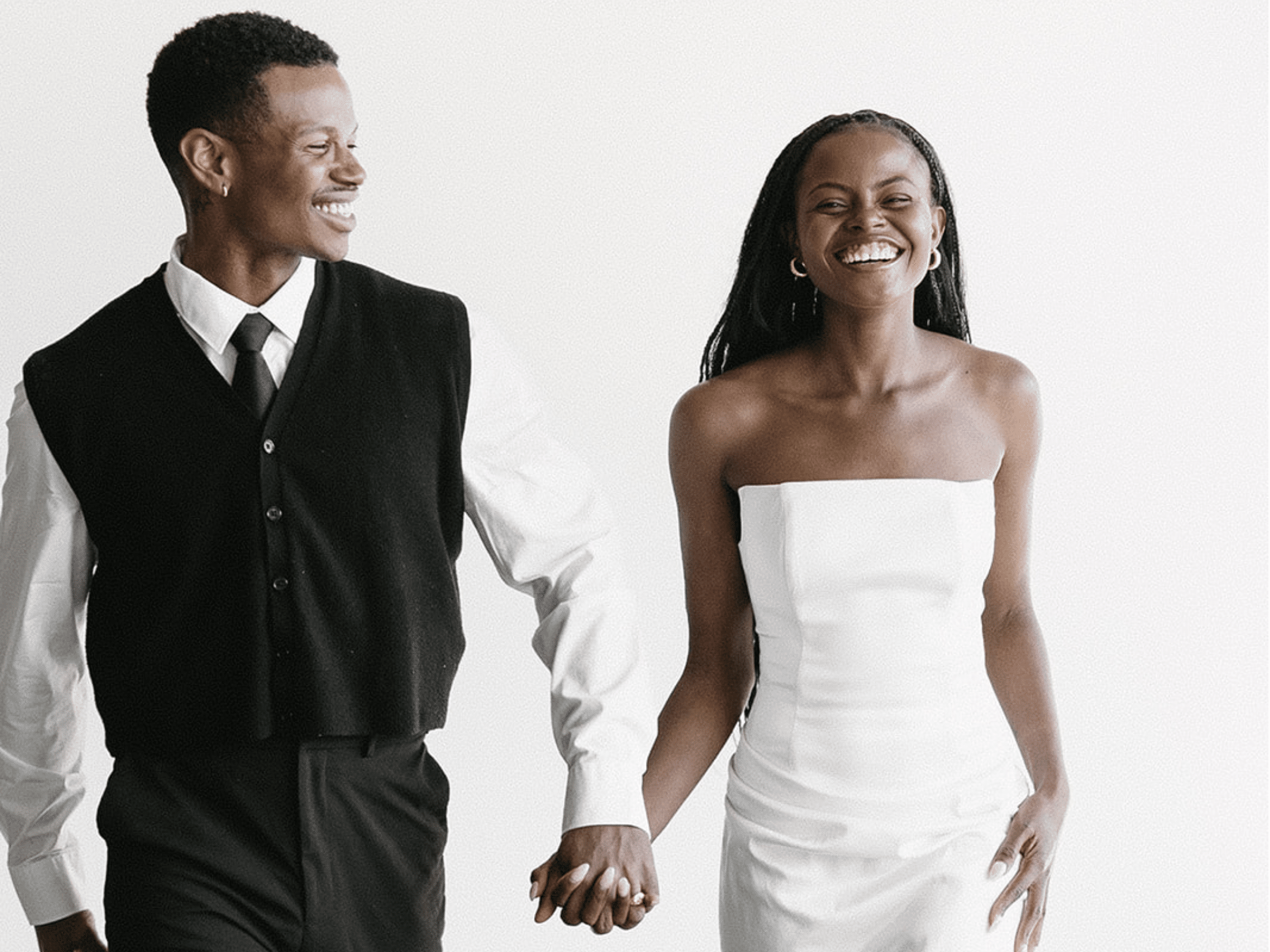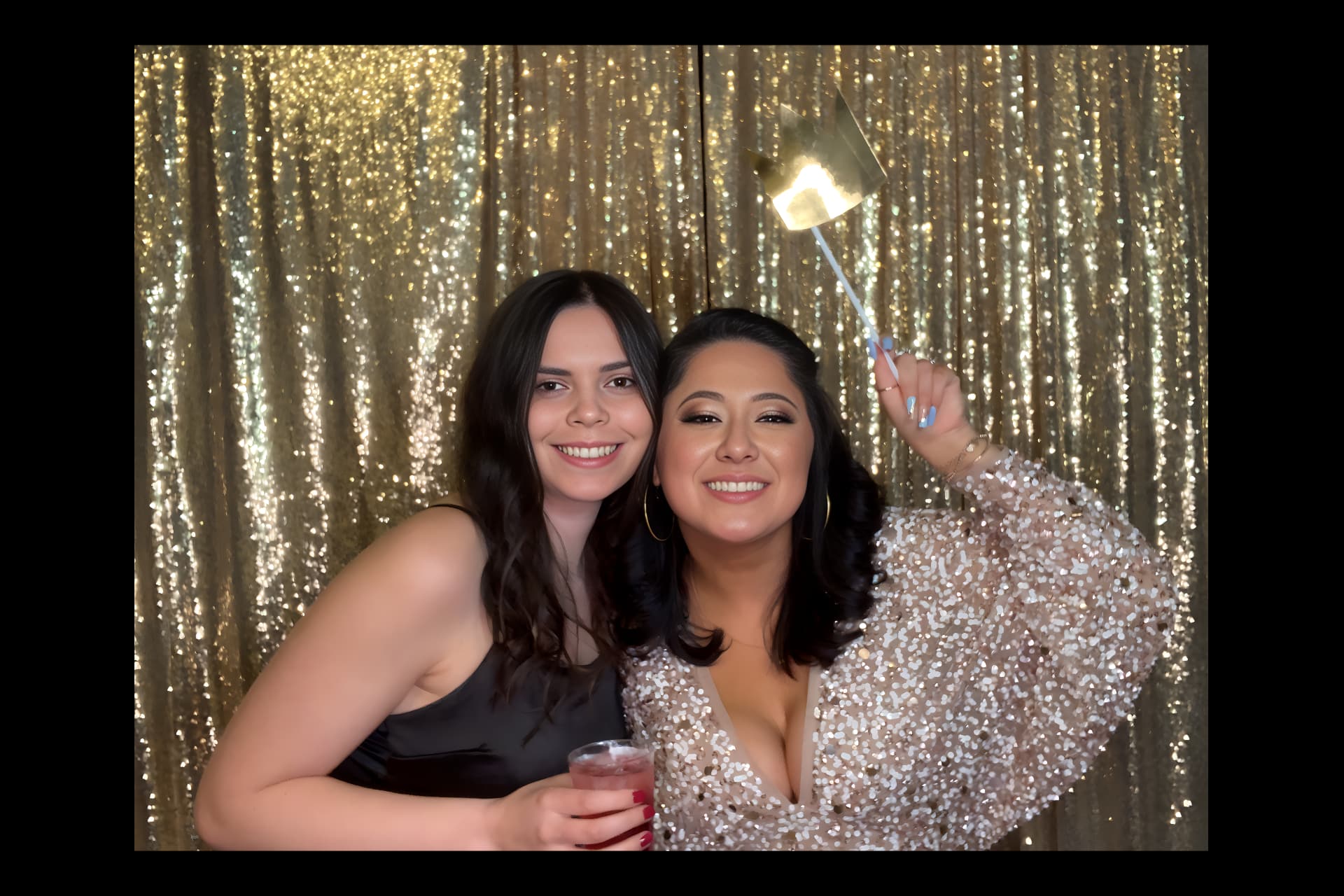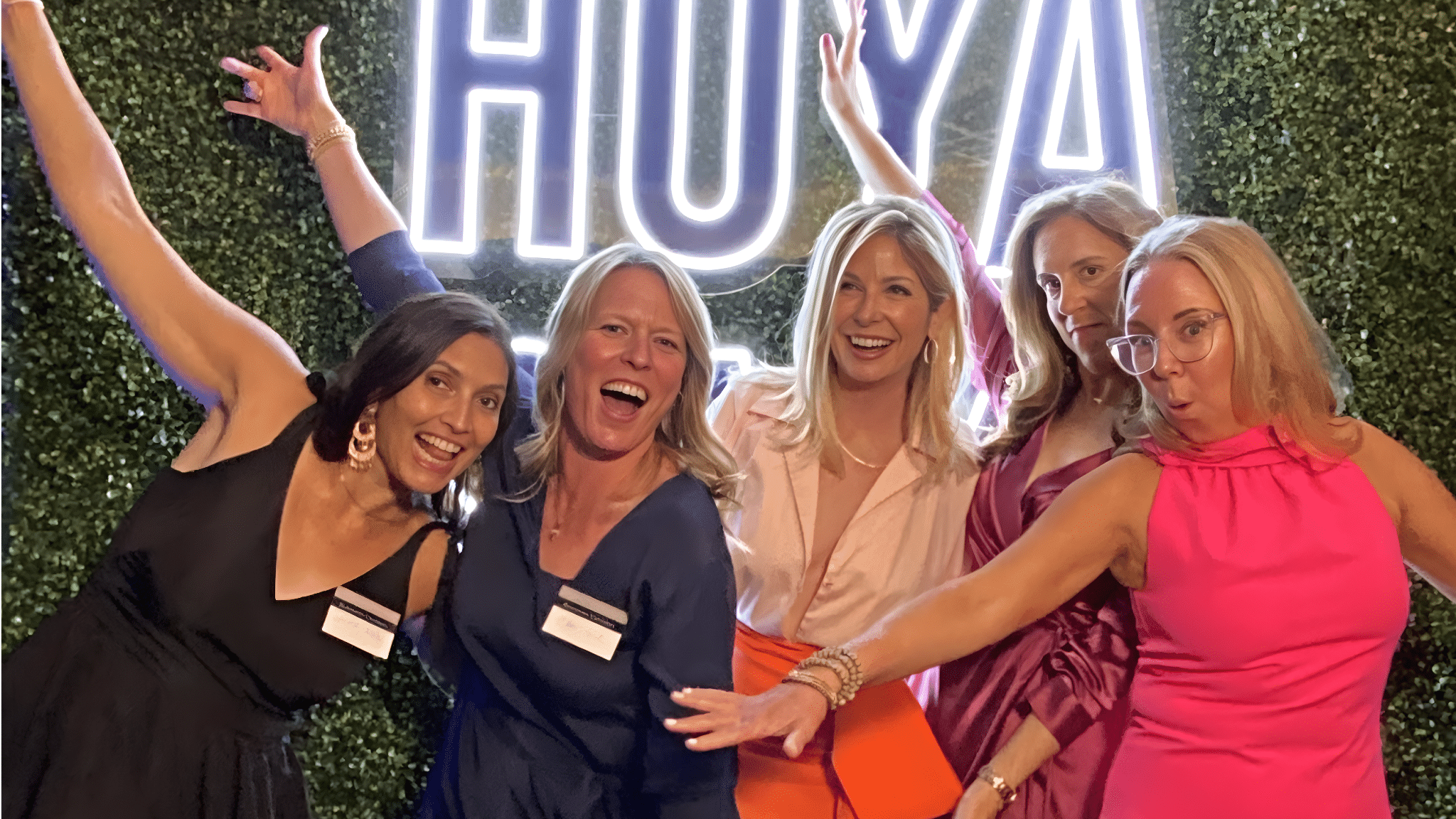


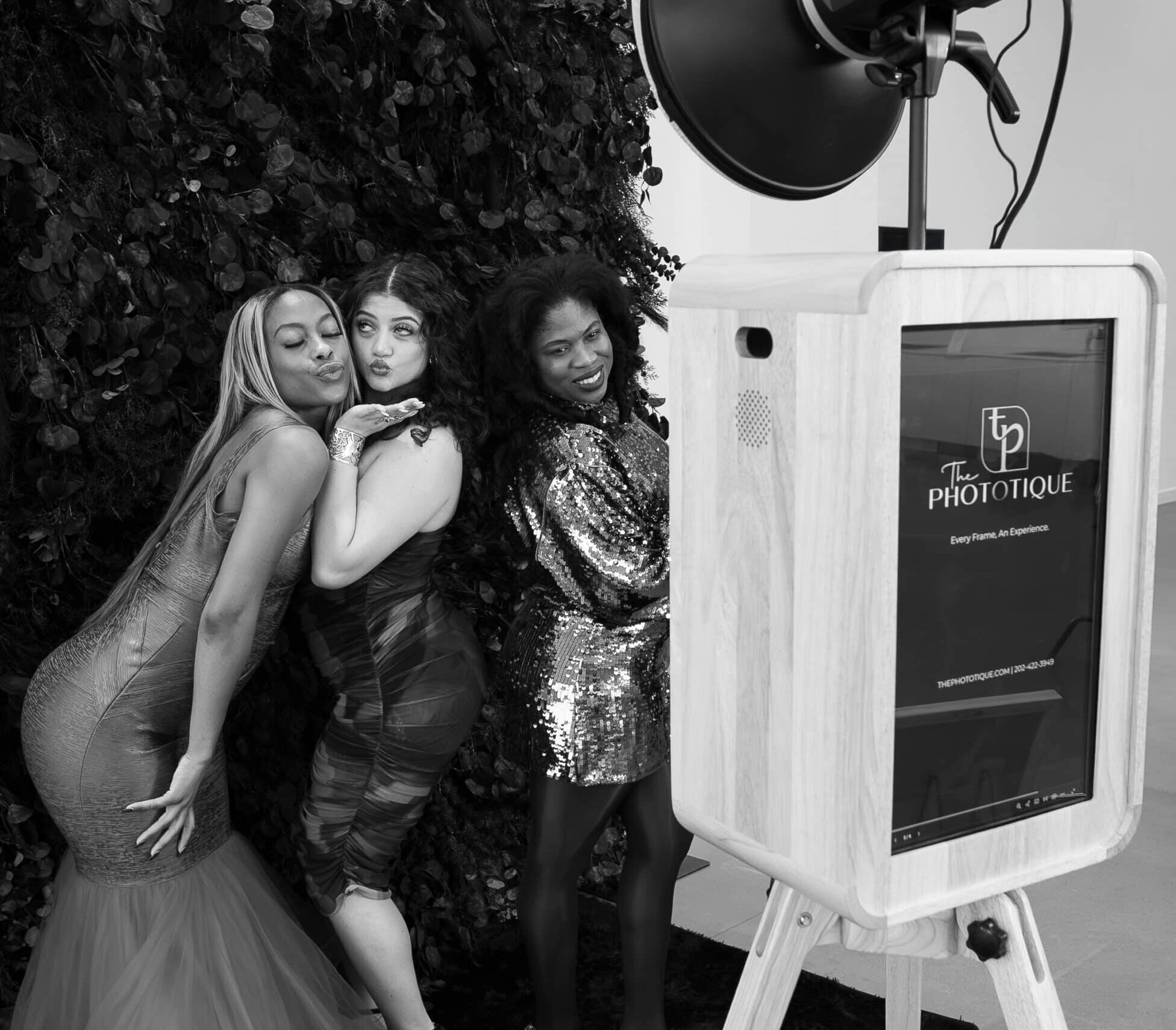
The short answer: Gala photo and video experiences work when they match the room, honor the guest, and amplify the cause. They fail when they treat a black-tie event like a trade show floor. Gala guests in Washington, D.C. are dressed up, emotionally invested in the evening, and looking for an experience that matches the effort they made to be there. The experiences that deliver Portrait Studios, 360 experiences, GlamBots, Scribl’d message walls produce lines that back up across the room and posts that go up before the night ends.
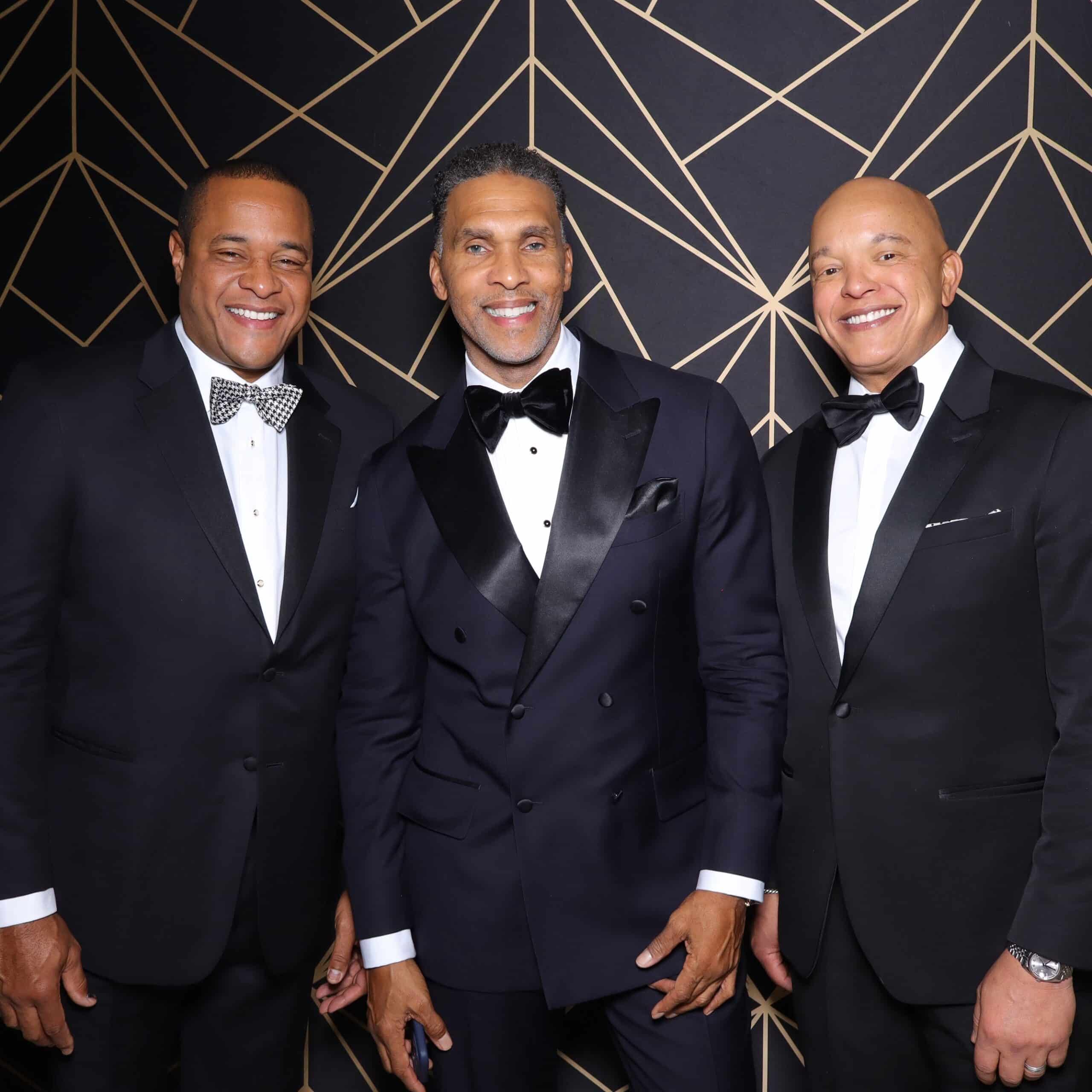
A gala is not a conference with nicer tablecloths. The guests are different, the energy is different, the stakes are different, and the activation that works at a trade show will not work at a black-tie fundraiser.
I have attended galas across Washington, D.C., long enough to know exactly what happens when a photo experience fits the room and exactly what happens when it doesn’t. When it fits, I get tagged on social media while I’m still on-site. Guests pull their friends away from cocktail hour to come see it. Lines form organically. People take solos, then groups, then come back for one more.
When it doesn’t fit, guests walk past it on the way to the bar.
Here is what I’ve learned about what actually works and why, at upscale galas in DC.
Planning a conference activation instead? See the best conference activation ideas for DC and DMV events in 2026.
Why Gala Guests Are a Different Audience
Key insight: Gala guests made an effort. They chose an outfit, did their hair, showed up for a cause they care about, and walked into a room that was designed to feel special. Every activation decision should be made with that guest in mind—because they won’t engage with anything that doesn’t honor the evening they dressed up for.
Conference attendees are in work mode. They are networking, gathering information, and attending sessions. The activation is a break, something fun in the middle of a professional day.
Gala guests are in celebration mode. They are there for a cause, for community, for a night that feels elevated. The activation is not a break from the evening it is supposed to be part of the evening. Part of the beauty. Part of the memory.
That distinction shapes everything: the lighting, the backdrop, the technology, the branding, and the way guests interact with the experience. Get it right, and the activation becomes the most talked-about moment of the night. Get it wrong, and it becomes the thing nobody touched.
The Signals That Tell You a Gala Photo Experience Is Working
After years of activating DC galas, I know within the first thirty minutes whether an activation is going to have a great night. The signals are specific and consistent.
The line backs up. Not because guests feel obligated but because they genuinely want to be there and they don’t want to miss it. Guests comment on the lighting. “The light in here is amazing.” “I look so good.” Those comments mean the setup is doing its job, making guests feel like the subject, not the audience.
Then the behavior that tells me everything is working: a guest finishes their experience, looks at their photo or video, and immediately turns around to go get someone else. They find their table, pull two friends away from their salad, and bring them back. That organic recruitment is not something you can manufacture. It only happens when the experience is genuinely delivered.
And then while I’m still on-site, still running the experience my phone gets a notification. A tag. A guest posted already. That is the clearest possible signal. They didn’t wait until they got home. They didn’t save it for the morning. They posted from the event because they couldn’t wait.
That is what a gala activation working looks like in the room.
The Experiences That Consistently Perform at DC Galas
The Portrait Studio
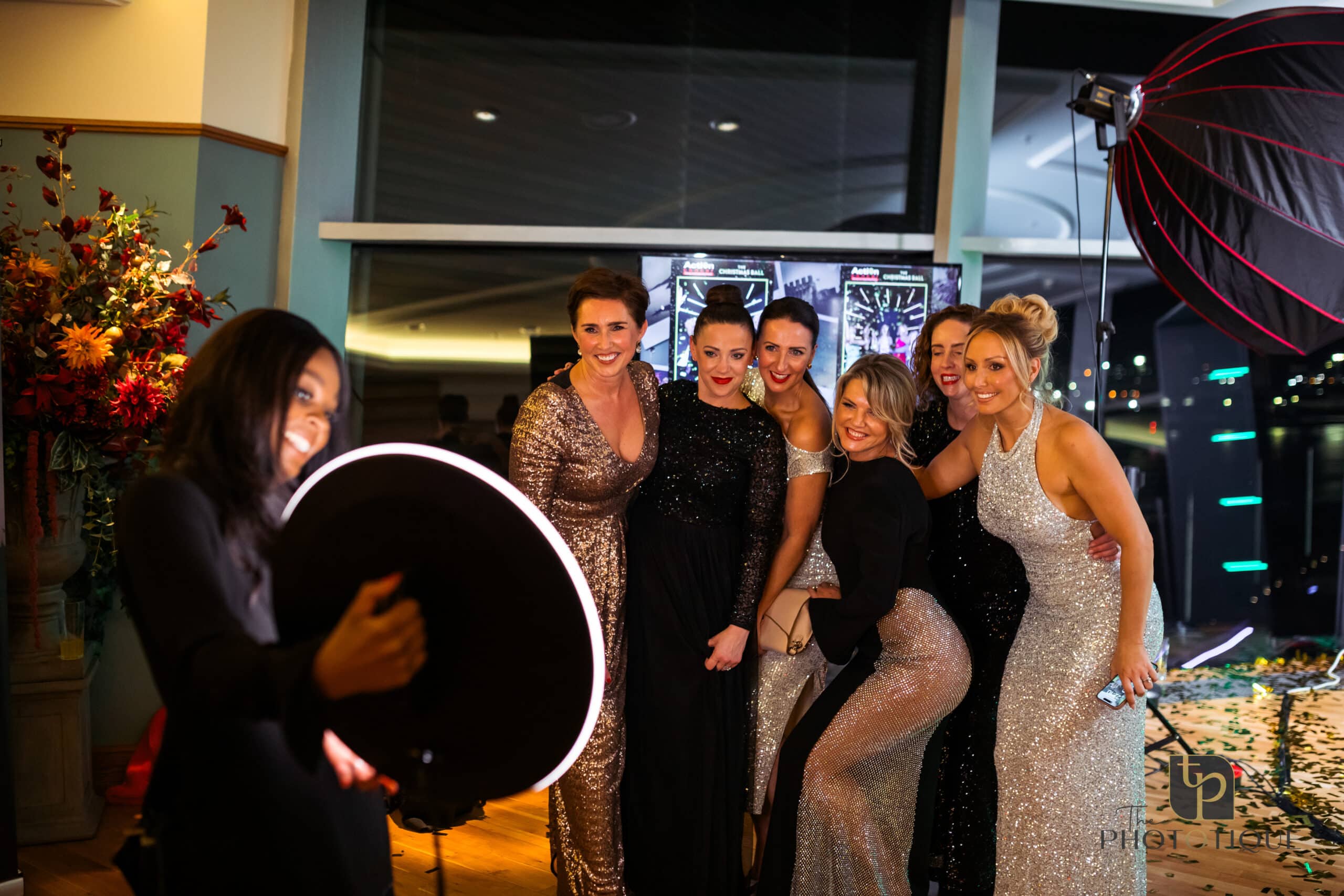
The Portrait Studio is the experience that stops gala guests in their tracks and keeps them there. The setup matches the aesthetic of the event itself: draping, floral walls, details that feel intentional and beautiful. The lighting shifts between moody and editorial, depending on the feel of the evening, from rich, dramatic shadows to dynamic spotlight moments to colored neon glow that turns a portrait into something cinematic.
And then there’s the glam booth. Guests see a version of themselves that is polished, elevated, and genuinely stunning. That reaction, the moment they see their photo for the first time, is why lines form and why guests come back. They don’t just want one shot. They want solos. They want groups. They want their best friend to see this.
The Portrait Studio works at galas because it honors what guests already brought to the room. They dressed up. The studio makes that effort look extraordinary.
The 360 Experience and GlamBot
If the Portrait Studio is the intimate gala experience, the 360 and GlamBot are the ones that make guests feel like they’re on a red carpet because, in that moment, they are.
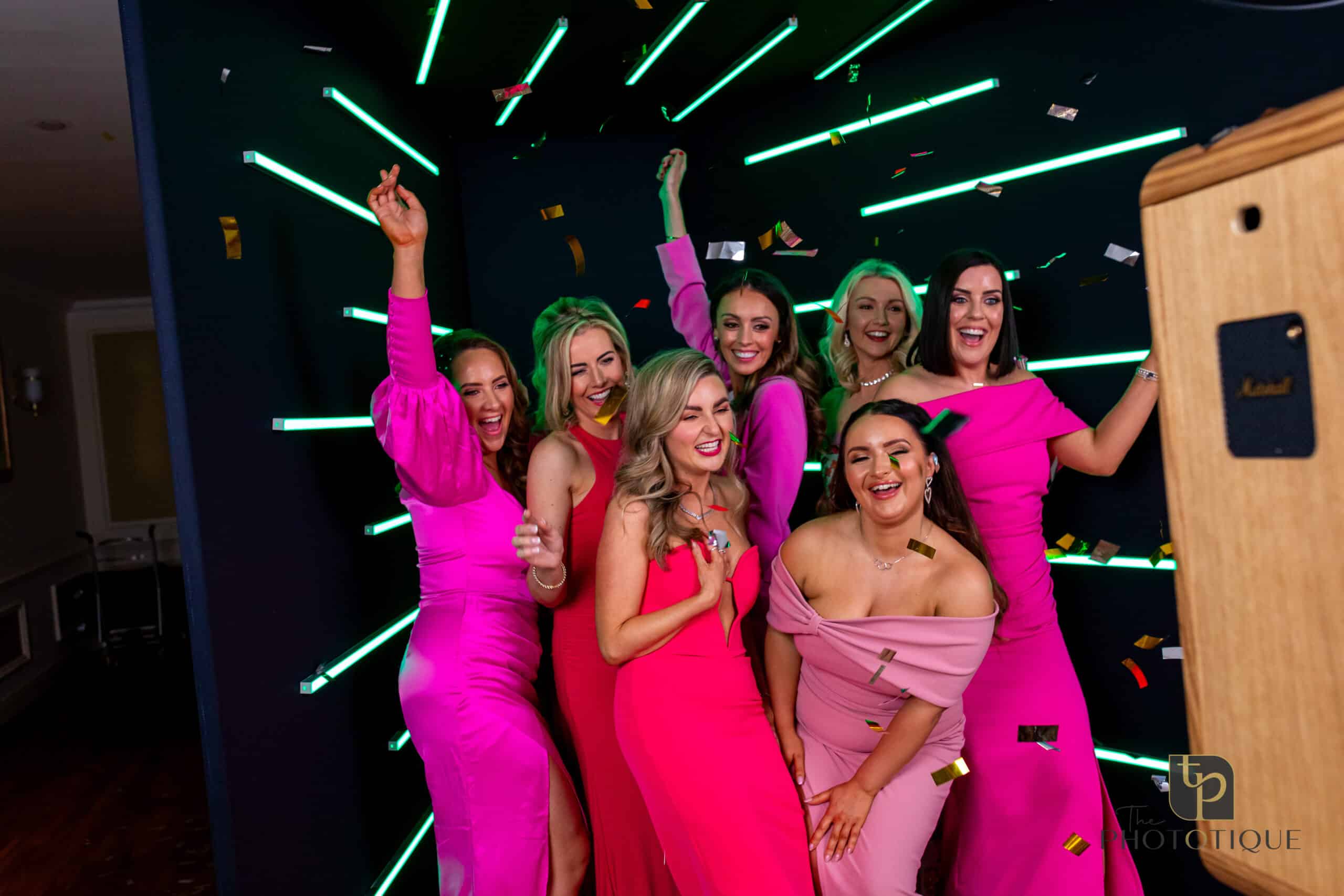
I have watched gala guests choreograph their moves before they step into a 360 experience. They plan their entrance. They think about their angles. They are not passive participants; they are performing, and they know it, and they love it. The slow-motion video from a GlamBot looks like it was produced for a major fashion campaign. Guests see it and immediately say some version of the same thing: “I feel like a celebrity.”
That feeling that specific emotional response is what drives shares. When someone feels like a celebrity, they post like one. And every post carries the event’s branding into their network.
The movement and drama of these activations also create a visual moment within the gala itself. Guests across the room see the GlamBot in action and walk over to find out what it is. The activation markets itself.
The Scribl’d Message Wall
The Scribl’d booth is one of the most powerful cause-driven activations at a gala because it turns the photo experience into a participation moment. Guests don’t just take a photo; they respond to a prompt. They write a message, draw something, and sign their name. The digital canvas captures their response alongside their image.
For nonprofit galas and fundraising events, this is a particularly resonant activation. A well-crafted prompt, something tied to the mission of the evening, the cause being celebrated, or a moment of personal connection, gives guests a way to express why they showed up. That expression, captured visually and branded with the event identity, becomes content that carries the cause beyond the room.
The key is the prompt. A generic prompt gets generic responses. A prompt that connects to the specific cause, the specific community, or the specific moment of the evening produces responses guests want to document and share. This is where working with your activation partner to craft the right question pays off, the prompt is the activation within the activation.
Lighting at a Gala Is Not an Afterthought
One of the most consistent differences between a gala activation and a conference activation is the lighting, and it is a difference that most activation vendors don’t think about carefully enough.
At a conference, the lighting is brighter, cleaner, and more modern. The goal is clarity and energy for guests in a professional environment, responding to a high-energy experience.
At a gala, lighting is an art direction decision. The room has been lit by an event designer. The florals, the draping, the centerpieces, everything has been considered. The activation lighting has to belong in that environment.
We play with light at galas in ways we don’t at conferences. Moody and dramatic for a black tie awards evening. Dynamic and editorial for a high-energy fundraiser. Spotlight for intimacy. Colored neon glow for a moment of unexpected energy, still feeling intentional rather than out of place.
When the activation lighting complements the room lighting, guests feel it. They comment on it. “The light in here is incredible” is one of the most common things I hear at a well-executed gala activation — and that comment is not about one light source. It is about the whole environment coming together. That is what keeps guests engaged and keeps them coming back for another shot.
How to Weave the Cause Into the Activation Without Making It Feel Like a PSA
Key insight: The cause should be present in the activation the same way it is present in the room — woven in, not shouted. Signage, photo overlays, and a well-crafted Scribl’d prompt can carry the mission forward without turning the photo experience into a fundraising pitch. Brand ambassadors on the floor can fuel the message organically in conversation rather than through signage alone.
Nonprofit galas have a programming flow that addresses the cause directly: the speaker, the video, and the ask. The activation does not need to duplicate that. What it can do is amplify it.
A cause emblem on every photo output keeps the mission present in every share without dominating the image. A simple CTA on the print website, a hashtag, and a giving link travel with every keepsake without interrupting the guest experience. Tasteful signage that reflects the organization’s visual identity, rather than a generic logo placement, makes the cause feel like a design decision, not an afterthought.
Our brand ambassadors play a specific role at cause-driven galas. They are not there to hand out flyers or repeat talking points. They are there to be genuinely present to fuel the energy of the activation, to invite guests in, to reflect the spirit of the evening in their own engagement. When the cause is part of who is working the activation, it reaches guests in conversation, not just in signage.
What Separates a Gala Activation That Gets Talked About From One That Just Gets Used
The activations that get talked about at DC galas — that show up in event recaps, that get referenced by planners when they call us for the next year’s event — share one quality: they felt like they belonged.
Not like a vendor set up in the corner. Not like something imported from a different kind of event. Like a moment that was designed specifically for this room, this cause, this community, this evening.
That feeling comes from decisions made before setup day. It comes from understanding the event’s aesthetic and matching it. From choosing lighting that complements the room rather than competing with it. Crafting a Scribl’d prompt that connects to the cause rather than defaulting to something generic. The signage looks like it was commissioned by the event designer rather than ordered from a template.
When those decisions are made with intention, guests feel it. They don’t always articulate it. But they respond to it — with longer lines, more shares, and the kind of organic energy that no activation budget can manufacture.
That is the difference. And it starts with how you think about the guest before the first setup case is opened.
Planning a Gala in Washington DC?
The Phototique designs photo and video activations for galas, nonprofit fundraisers, and upscale corporate events across Washington DC and the DMV. We work with planners to create experiences that match the room, honor the guest, and amplify the cause — so the activation becomes part of the evening, not just a vendor in the corner.
Request a Custom Gala Activation Proposal →
Frequently Asked Questions About Gala Photo Activations in DC
What makes a gala photo activation different from a conference activation?
Gala guests are in celebration mode dressed up, emotionally invested in the evening, and looking for an experience that matches the effort they made to be there. Gala activations need to match the aesthetic of the room, complement the event’s lighting and design, and honor the guest as the subject. Conference activations prioritize energy and volume. Gala activations prioritize beauty, intimacy, and intentionality.
What photo activations work best at upscale DC galas?
Portrait Studios, 360 experiences, GlamBots, and Scribl’d message walls consistently perform at DC galas. Portrait Studios work because they make well-dressed guests look extraordinary. 360 and GlamBot experiences create a red carpet feeling that drives shares. Scribl’d walls give cause-driven events a participation moment that connects guests to the mission of the evening.
How do you incorporate a nonprofit cause into a gala activation?
Through presence rather than promotion. A cause emblem on photo outputs, a CTA on print keepsakes, a Scribl’d prompt tied to the mission, and brand ambassadors who carry the message in conversation rather than signage. The cause should feel woven into the experience not layered on top of it like a fundraising pitch.
How is lighting different at a gala activation versus a corporate event?
At a conference, lighting is brighter and more modern clarity and energy. At a gala, lighting is an art direction decision. We work with moody and dramatic setups for black-tie events, dynamic editorial lighting for high-energy fundraisers, spotlight moments for intimacy, and colored neon glow for unexpected energy that still feels intentional. The goal is for the activation lighting to complement the room not compete with it.
How far in advance should I book a gala activation in Washington DC?
For DC galas, especially in the fall and spring seasons, we recommend booking 60-90 days in advance. Custom setups, Portrait Studios with bespoke draping and florals, and branded Scribl’d prompts and custom print overlays require lead time to design and produce properly. Earlier is always better for upscale events where the details matter.
]