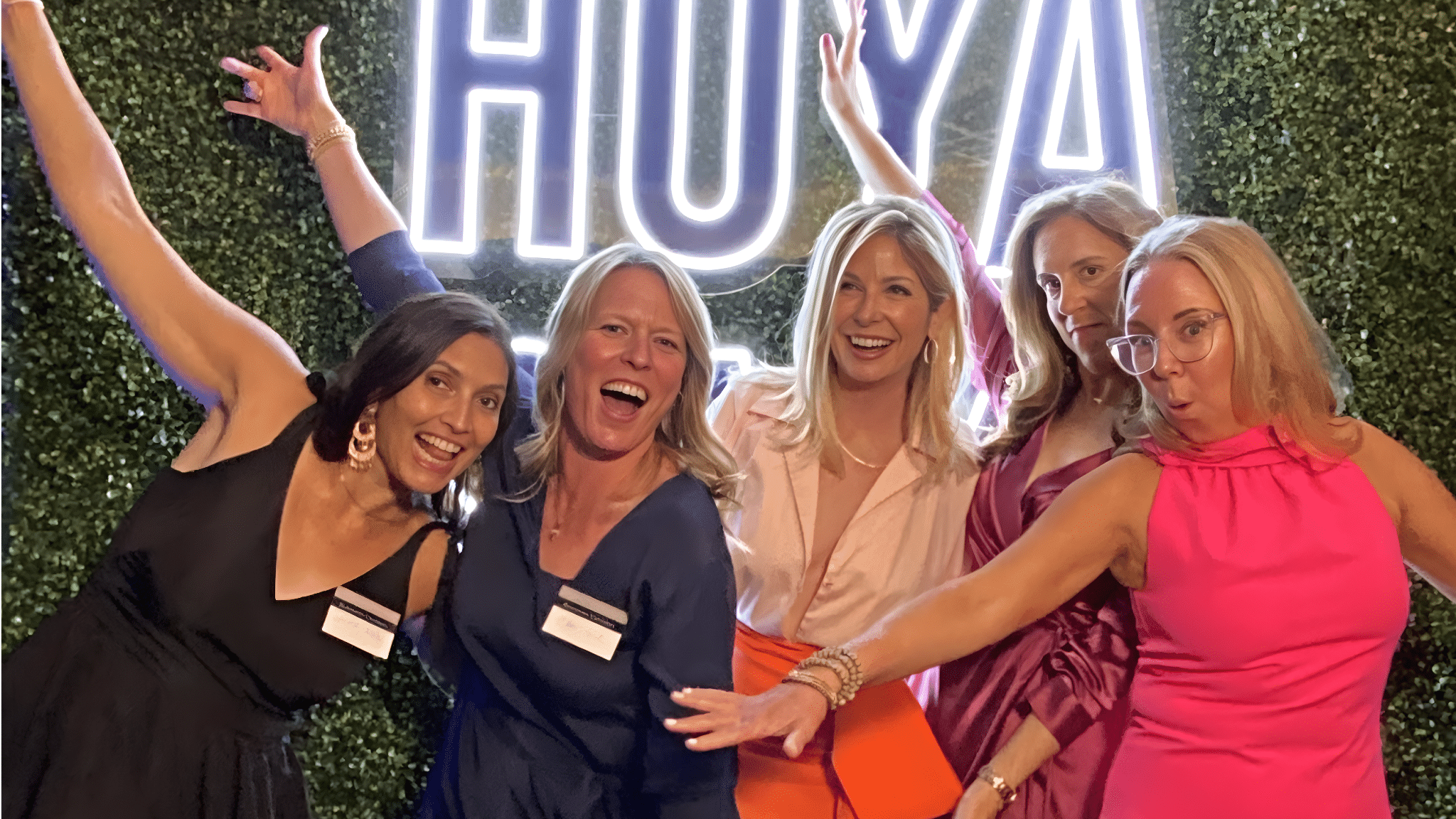


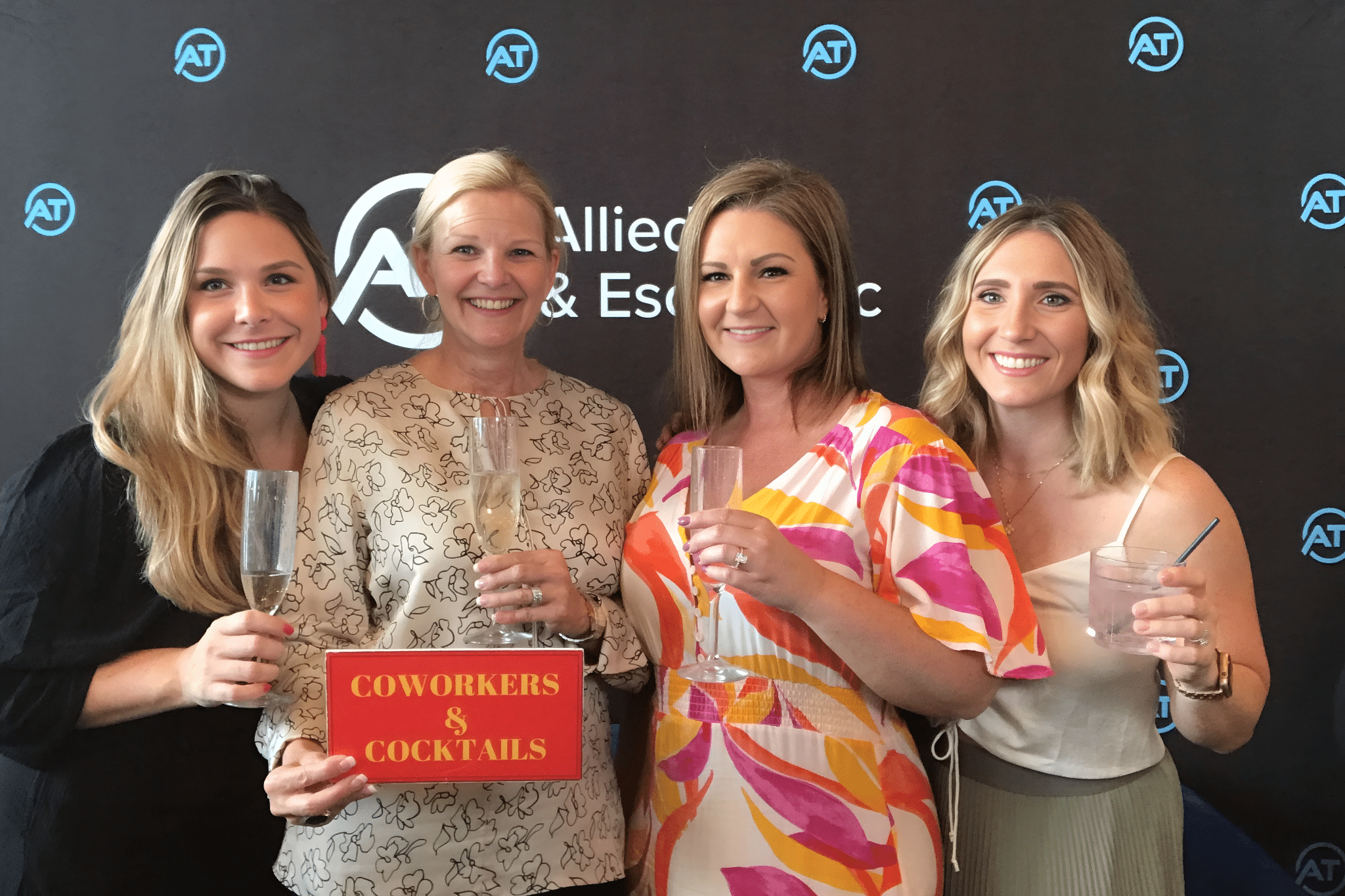
The honest version: We've been called in after vendor no-shows at DC corporate events. We've activated at galas after a cheap vendor delivered blurry photos a full week later. We've heard from planners whose guests never got their photos because the vendor capped the print count at fifty and walked away. These aren't edge cases -- they're patterns. And almost every one of them was preventable at the booking stage.
You put real work into your event. The venue is right. The programming is locked. The guest list is exactly who it should be. And then the photo experience, the thing guests will interact with personally, the thing that produces the branded content your sponsors paid for, the thing guests will remember or forget based entirely on how it’s executed – gets treated like an afterthought.
That’s where things go wrong. And at DC conferences, galas, and corporate events, we’ve seen it go wrong in very specific ways that keep repeating themselves year after year.
Here are the seven mistakes that actually happen – not the theoretical ones, the real ones and exactly how to avoid them.
Not sure what kind of activation is right for your event? See the best conference and corporate activation ideas for DC and DMV events in 2026.
Mistake #1: Booking the Cheap Vendor and Paying for It Later
We get called in after cheap vendors more than you’d think. Not to replace them in real time though that has happened too, but to activate at events where the previous vendor left such a bad impression that the planner needed the next event to go differently.
The stories are consistent. Photos delivered a week after the event. Guests who reached out repeatedly and heard nothing back. Blurry outputs, bad lighting, prints that looked nothing like what was shown in the portfolio. One of the most common things we hear from new clients who’ve been burned before: “the last vendor limited how many photos guests could take and then just stopped.”
That’s not a luxury experience. That’s a vendor who oversold and underdelivered and your guests are the ones who paid for it.
The fix: Ask specifically about output limits before you sign anything. Ask about turnaround time for digital delivery. Ask to see photos from actual recent DC events, not stock images or a portfolio from three years ago. And understand that at an upscale event, the photo experience reflects on you as the planner , not just the vendor.
Mistake #2: Placing the Activation Where Nobody Goes
This one is on planners as much as vendors, and it’s more common than anyone wants to admit. I’ve shown up on-site to activations that were placed in a separate room from the main event , away from the dance floor, away from the bar, away from anywhere guests were naturally flowing. The thinking is usually “we don’t want it to get too crowded” or “we want to give it its own space.”
What actually happens: guests don’t find it. Or they find it once, see that nobody else is there, and assume it’s not worth stopping for. An activation needs energy around it to generate its own energy. Foot traffic feeds participation. Participation creates curiosity. Curiosity builds the line.
Put the activation where the people are, near the entrance, near the bar, near the dance floor. Give it visibility. Let guests see other guests engaging with it. That organic social proof is what fills the line, not the signage.
The fix: Treat the activation placement like a feature of your floor plan, not a logistical afterthought. Talk to your activation partner early about placement, ideally before the venue walkthrough so you can factor it into the room design from the start.
Mistake #3: Ignoring the No-Show Risk
It happens. Vendors don’t show. At corporate events with major clients in the room, that’s not just an inconvenience – it’s a crisis. We’ve received calls from planners mid-event whose vendor was a no-show and who needed someone there within the hour.
Sometimes we can help. Often we can’t -because a proper setup for a corporate event isn’t something you throw together in forty-five minutes. Custom overlays, branded print templates, equipment prep — that work happens days before the event, not in a parking lot while guests are arriving.
A vendor who no-shows at your event didn’t just fail on event day. They failed weeks before it in how they booked, how they communicated, and how seriously they took your event.
The fix: Ask your vendor about their backup plan before you sign. What happens if their primary equipment fails? Do they carry backup gear on-site? What is their communication protocol in the days leading up to your event? A vendor who can’t answer those questions confidently is a vendor whose reliability you should question.
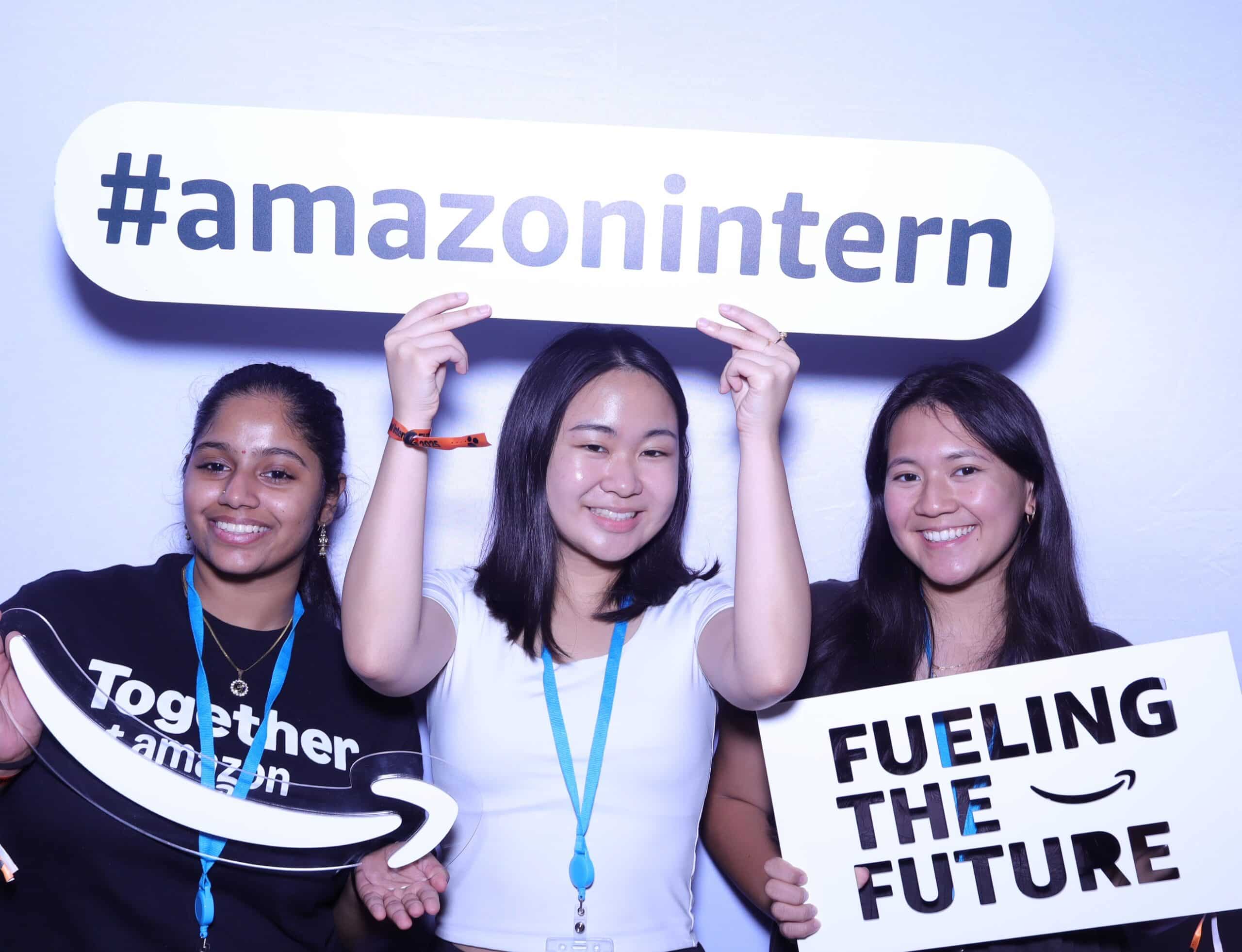
Mistake #4: Not Matching the Activation to the Room
A high-energy 360 video setup dropped into a quiet, intimate fundraiser gala. A generic LED backdrop at a black tie event designed around florals and custom draping. An activation that looks like it was booked for a different event and set up in the wrong room.
Guests feel the mismatch immediately even when they can’t name it. They engage less. They share less. The activation becomes a thing in the corner that a few people tried out rather than the focal point of the evening.
The activation that fits the room -aesthetically, energetically, intentionally – is the one that generates lines. Not because it’s the most advanced, but because it belongs.
The fix: Brief your activation partner on the full event -the venue, the design direction, the guest profile, the energy you’re going for. The right vendor will use that to guide the setup recommendation. If a vendor doesn’t ask those questions, they’re selling you a package, not designing an experience.
This is the pattern we broke down in detail here: The photo booth trend everyone’s missing in 2026.
Mistake #5: Letting the Branding Overpower the Experience
Sponsors want visibility. That’s fair. But there’s a version of visibility that actively destroys the thing it’s paying for. When a sponsor’s logo is on every corner of the frame, on the backdrop, on the signage, on the start screen, on the print border – guests notice. And not in a good way.
I’ve been on event floors where guests walked up to the activation, looked at the screen, saw how logo-heavy the output was, and walked away. They didn’t want that on their Instagram. They didn’t want to be a billboard. Every one of those walk-aways was a branded post the sponsor paid for and never received.
The sponsors getting the most organic reach at DC events in 2026 are the ones who let the guest be the subject and kept their brand presence elegant and intentional – a clean logo, a simple “brought to you by” tag, signage that looked like it was commissioned by the event designer rather than slapped on at the last minute.
The fix: Less is more. A subtle, well-placed brand presence travels further than a logo that owns the whole frame. Talk to your activation partner about what brand integration actually drives shares versus what kills them.
Mistake #6: Skipping Instant Digital Delivery
If your vendor’s plan is to email guests their photos sometime next week, you’ve already lost the moment. The share happens when the feeling is fresh -when guests are still at the event, still in the energy of the evening, still wanting to document what they’re experiencing.
“We’ll email the link later” is the activation equivalent of printing a QR code nobody scans. The content lands in an inbox three days after the event, gets opened by half the people who participated, and gets shared by a fraction of those. The organic reach you paid for disappears because the delivery was too slow to catch the moment.
Instant digital delivery – via text, QR code, or AirDrop – isn’t optional at a luxury event. It’s the mechanism that connects the activation to the social share. Without it, you’re producing content for a hard drive instead of for the internet.
The fix: Make instant digital delivery a non-negotiable in your vendor brief. Confirm it works before the event, not during. And for corporate events, this is also the moment to build in opt-in data capture -a phone number or email exchanged for the digital delivery is consent-based lead generation that your sponsors will actually value.
Mistake #7: Not Reading the Contract Until Something Goes Wrong
Three contract issues come up constantly at DC events and almost nobody catches them until it’s too late.
The first is limited prints. A vendor quotes you an activation, you assume it covers your full event, and somewhere in the fine print is a cap – fifty prints, a hundred prints, whatever the vendor decided was enough. When guests can’t get their photos because the vendor hit their limit and stopped, that’s on the contract nobody read carefully.
The second is no Certificate of Insurance. Almost every major venue in DC requires vendors to carry liability insurance and provide a COI before they’re allowed to load in. A vendor without one either can’t get into your venue or puts you in the position of having to resolve it the morning of your event. That’s not a situation anyone wants to be managing while guests are arriving.
The third is no standard of service. If the contract doesn’t specify what you’re getting – equipment quality, staffing levels, setup time, turnaround on digital delivery, backup protocols – you have no recourse when the vendor underdelivers. “That’s not what I expected” is not a contract clause. Make sure what you expected is actually written down.
The fix: Before you sign anything, confirm: Are prints unlimited for the duration of the event? Does the vendor carry liability insurance and can they provide a COI for your venue? Is the standard of service -equipment, staffing, delivery timeline -explicitly documented in the contract? If any of those answers are unclear, keep asking until they’re not.
You Shouldn’t Have to Learn These Lessons the Hard Way
The Phototique has activated at conferences, galas, and corporate events across Washington DC and beyond the DMV and we’ve seen what happens when the wrong vendor is in the room. We carry full liability insurance, deliver digitally on-site, never cap our prints, and show up. Every time. If you’re planning a DC event and want to make sure the photo experience is the thing guests talk about – not the thing that went wrong – let’s talk.
Frequently Asked Questions
What should I look for when booking a luxury photo experience in Washington DC?
Start with the portfolio – real photos from real DC events, not stock imagery. Confirm they carry liability insurance and can provide a COI for your venue. Ask about print limits, digital delivery speed, backup equipment, and what happens if something goes wrong on-site. A vendor who can answer all of those questions confidently is a vendor worth talking to further.
How important is placement for a photo activation at an event?
Placement is one of the most underrated decisions in the entire activation. An experience tucked in a separate room or a dead corner will underperform regardless of how good the setup is. Activations need to be where guests are naturally flowing – near the entrance, the bar, or the dance floor – so participation builds organically and guests see other guests engaging with it.
Do photo activation vendors in DC need liability insurance?
Yes – and almost every major venue in DC requires a Certificate of Insurance before a vendor is permitted to load in. Always confirm your vendor carries liability insurance and can provide a COI for your specific venue before signing a contract. A vendor who can’t provide one is a vendor who may not be able to get into your building.
What is a reasonable turnaround time for digital photo delivery at an event?
Instant. Digital delivery should happen on-site, in real time, via text or QR code. Guests should have their content before they leave the activation – not the next day, and certainly not the following week. The share happens when the moment is fresh. A delivery promise of “we’ll email the link later” is not a luxury experience.
Should photo prints be limited at a corporate event or gala?
No. Print limits are a budget-cutting measure that turns a premium activation into a frustrating one. Guests who can’t get their photo because a vendor hit a cap aren’t going to remember the experience fondly – and they’re definitely not going to share it. Confirm prints are unlimited for the full duration of your event before you sign any contract.