

Ask any wedding guest what they actually remember three months later. Nine times out of ten, it’s not the flowers. It’s a moment — something they felt, something they did, something that surprised them.
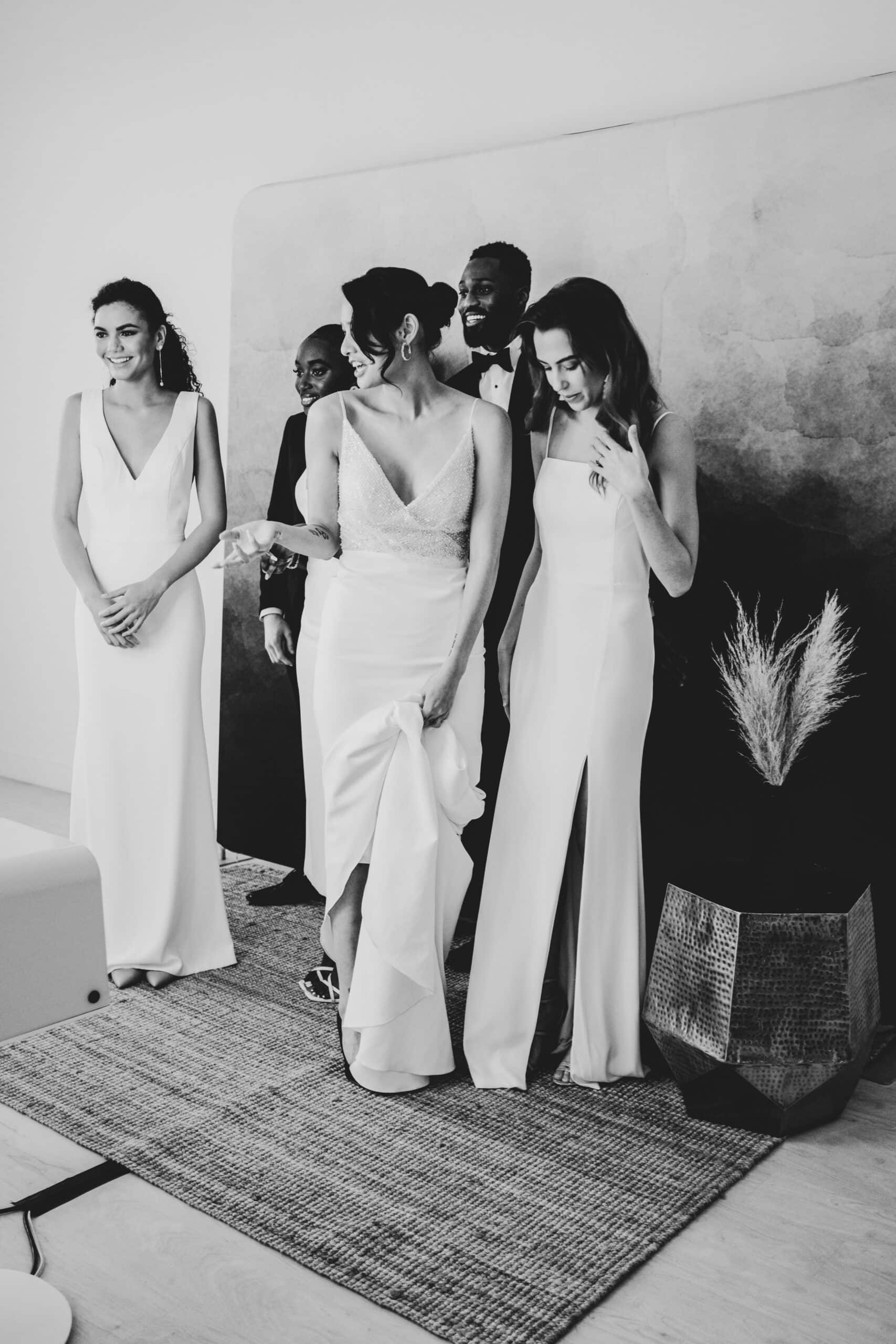
There’s a reason Washington, DC draws couples who care deeply about every detail. The city itself sets a tone — historic, intentional, a little formal but warmer than people expect. Weddings here tend to reflect that. The guest lists are sharp. The venues are considered. And more and more, the planners leading these events are paying very close attention to what actually lands with guests versus what just looks good on a mood board.
Lately, that attention has landed on the photo experience.
Not because photos are suddenly more important. But because the way guests experience them, how they’re invited in, what the moment feels like, what they walk away holding — has quietly become one of the clearest signals of whether a reception was thoughtfully designed or just expensively assembled.
What went wrong with the traditional setup
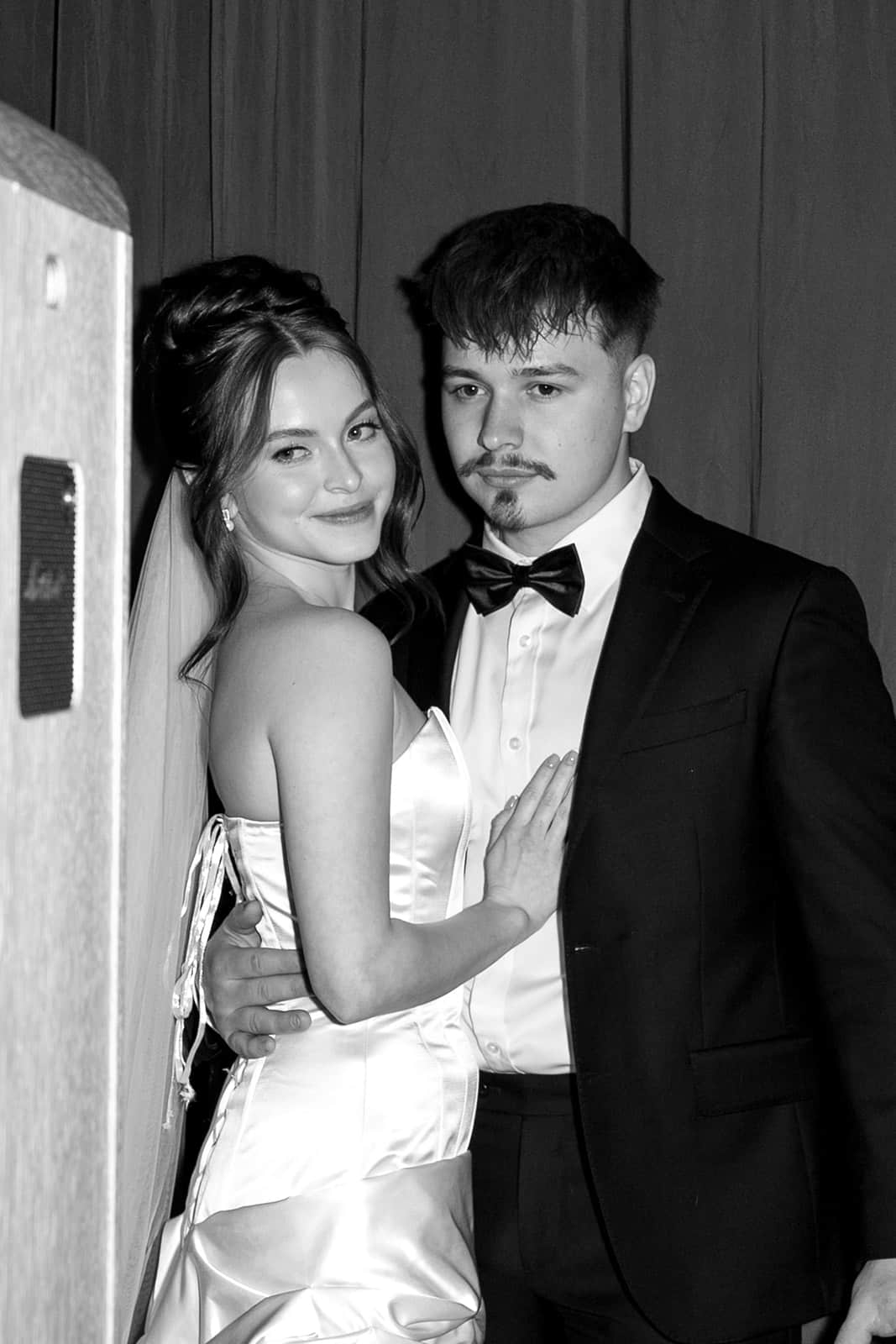
The enclosed plastic booth had a good run. Genuinely. It was novel once, and novelty counts for a lot at a party. But at a certain point — and most planners felt this before they could name it — the booth started working against the room.
The props felt mismatched. The line broke up the flow. And the images? They looked like they were taken at a different event. Which, aesthetically speaking, they kind of were.
Luxury couples started noticing the gap between the photo activation and everything else their planner had so carefully built. And the good planners noticed their clients noticing. That’s usually where the conversation starts.
What changes when the experience is actually designed
This is the part that’s harder to explain in a vendor meeting but obvious the moment you see it done well.
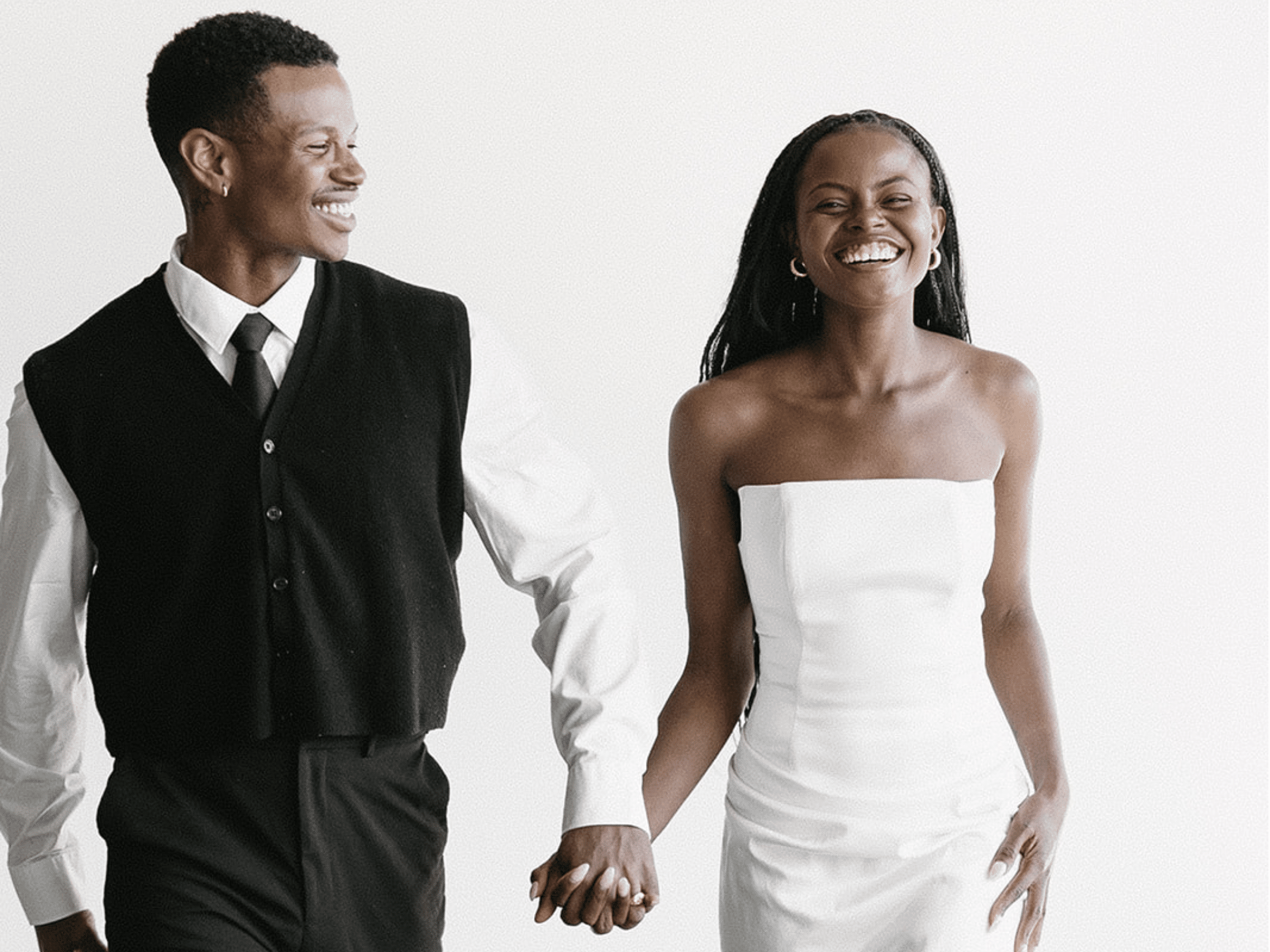
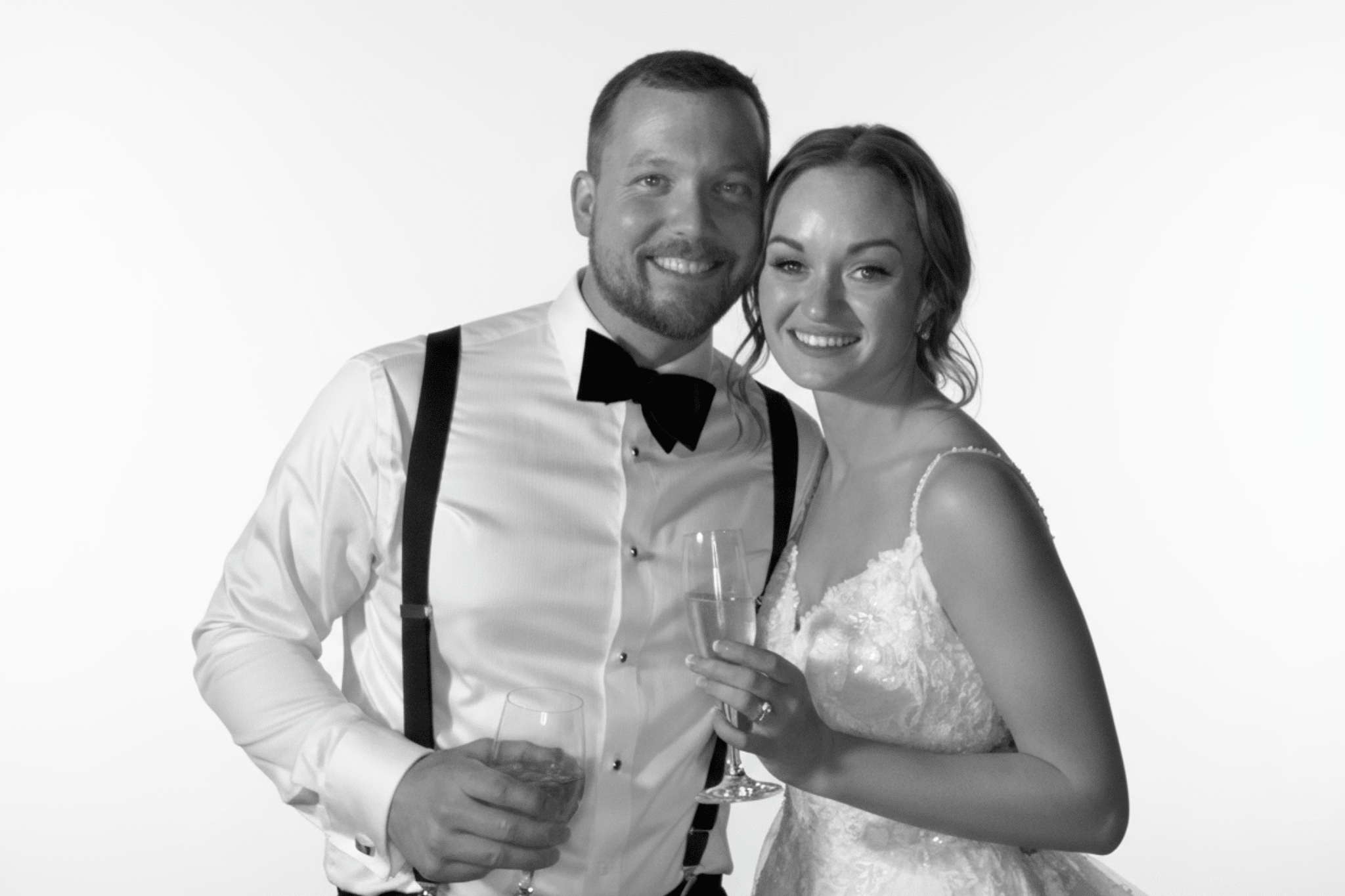
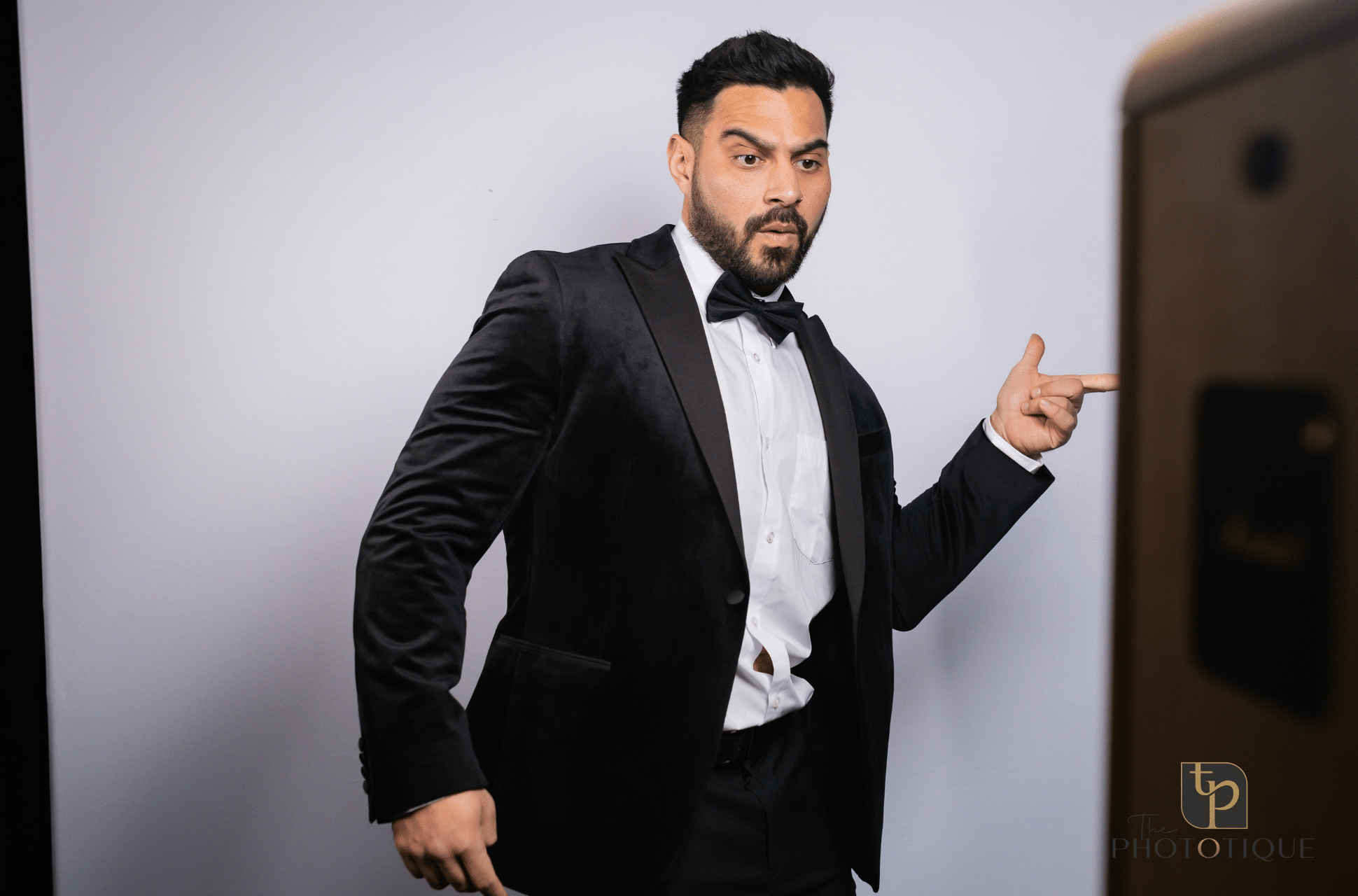
An editorial-style photo activation isn’t a different product in the same category. It’s a different category. The starting point isn’t “what booth do we want” — it’s “what does this wedding look like, feel like, and who are these guests.” Everything follows from that.
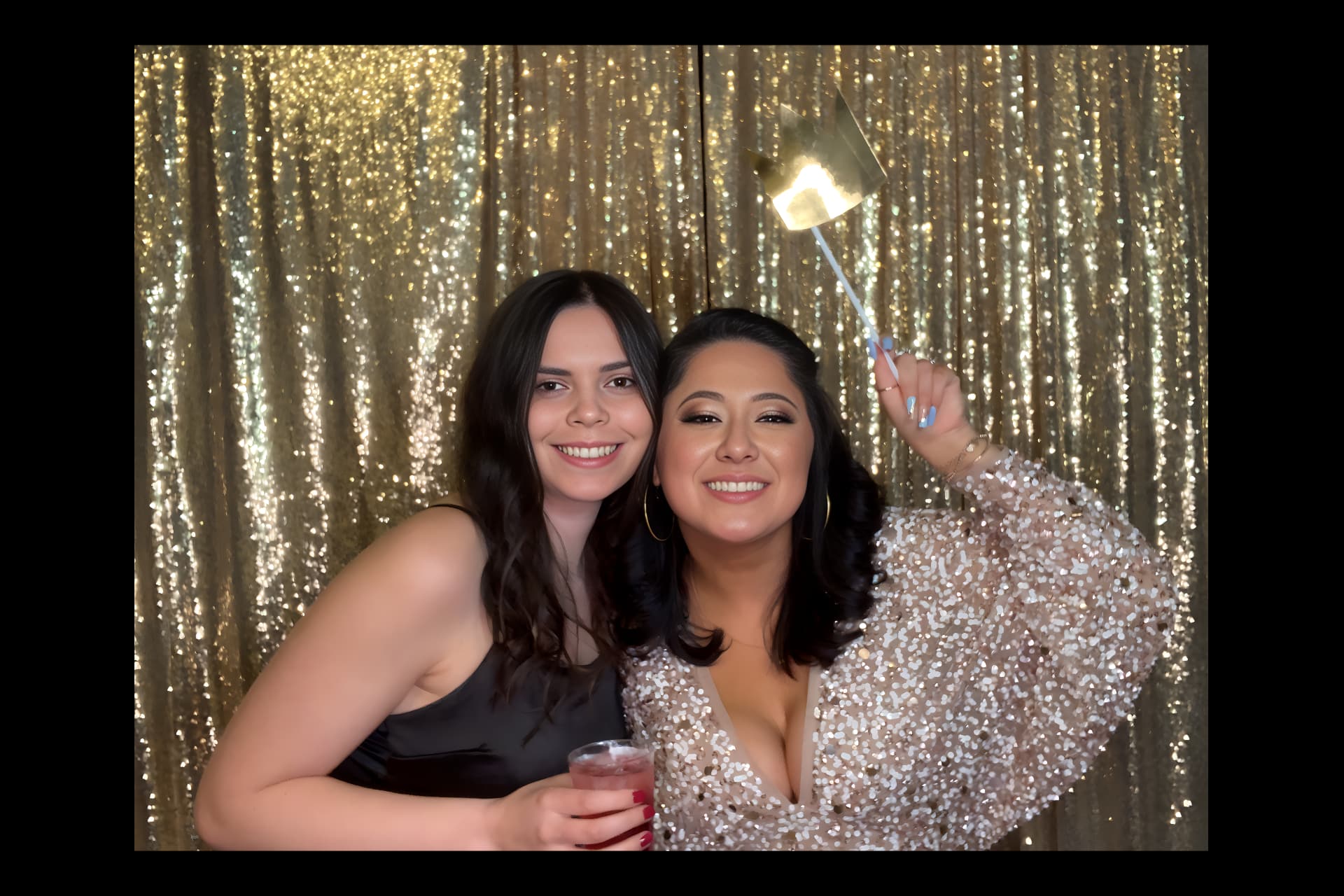
The backdrop isn’t generic. The lighting isn’t an afterthought. If there’s a custom overlay or a printed keepsake, it’s designed to feel like it belongs with the invitation suite, not like it came out of a template. And if a roaming photographer is moving through cocktail hour instead of anchoring a booth — guests aren’t “doing” a photo experience. They’re just living inside one, which is a fundamentally different thing.
Planners who’ve made this switch tend to describe it the same way: it stopped being something they had to explain to clients and started being something clients brought up on their own, because they’d experienced it somewhere else.
A note for planners specifically: The fastest way to tell if an activation vendor is the right fit for a high-end wedding is to listen to how they open the conversation. If they lead with specs and package tiers, they’re selling equipment. If they ask about your client’s vision first, they’re thinking about the experience. The difference matters more than most people realize before it’s too late to fix it.
Why DC specifically
DC wedding guests are not a neutral audience. These are people who have been to events — real ones, important ones. They’ve stood in rooms where things were done well and rooms where things were almost done well. They know the difference, even if they couldn’t tell you exactly what it was.
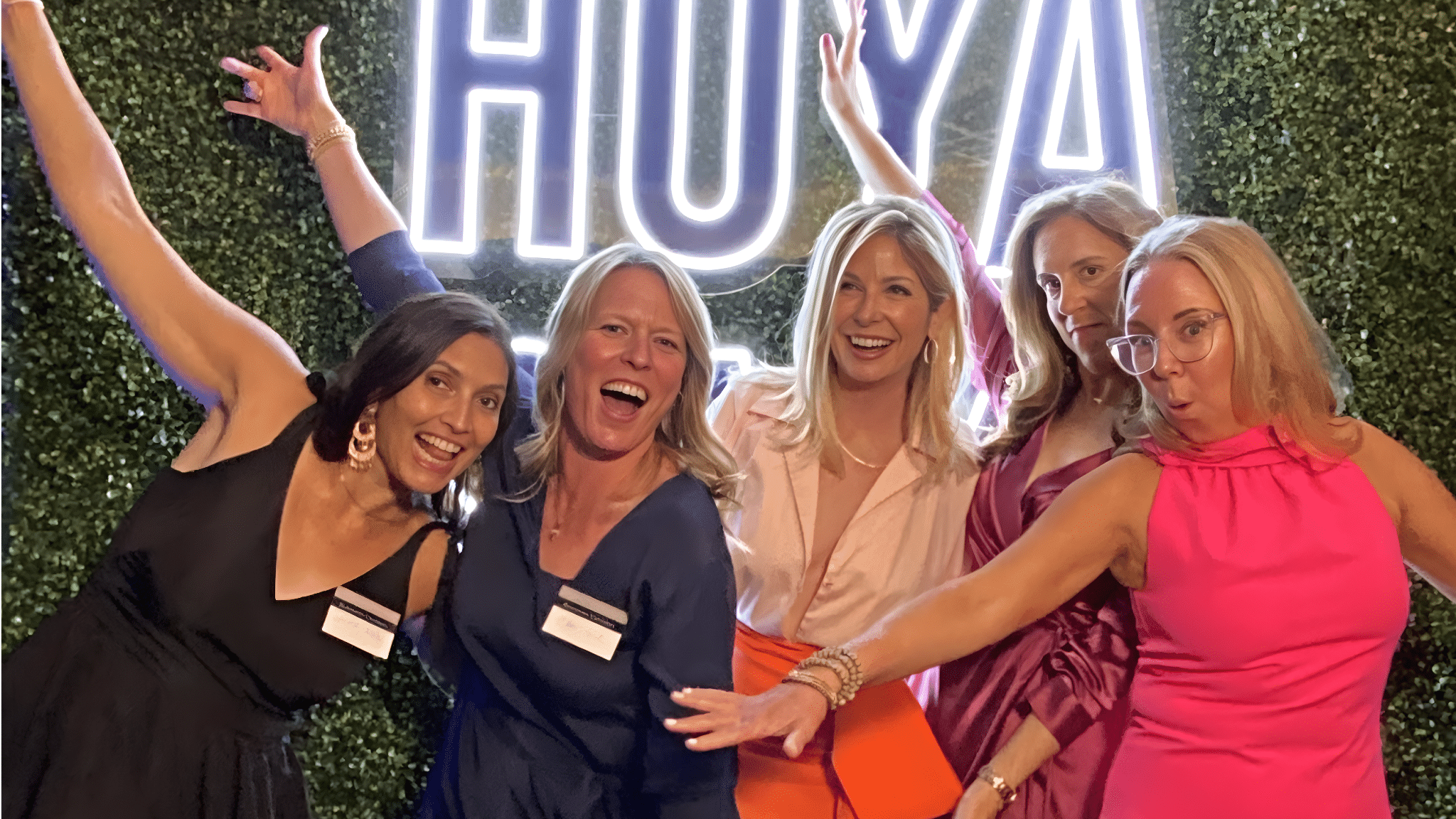
That’s actually a gift for planners who understand it. Because those guests will respond to something that’s been thought through. A beautifully lit enclosure that feels like a private moment in the middle of a crowded reception — they’ll stop. They’ll participate. They’ll share the images without being asked to. And they’ll describe the wedding to people who weren’t there in a way that sounds like a review.
That word-of-mouth doesn’t happen because the food was good. It happens because the guests felt like the hosts had thought about them specifically. A designed photo experience is one of the few things at a reception that actually delivers that feeling reliably.
What we’ve seen firsthand
Working across DC’s corporate and wedding markets — including events at the Walter E. Washington Convention Center with north of 20,000 attendees — what becomes clear over time is that the moments guests reconstruct in conversation are almost never passive ones. They’re the moments they did something, made something, were part of something.
The weddings that get talked about months later share a quality that’s hard to manufacture but not hard to plan for: every element felt like it belonged. Nothing broke the spell. And guests left with something — an image, a keepsake, a memory of a moment — that was actually theirs.
“Guests don’t remember what they watched. They remember what they did — and how it made them feel.”
What planners should actually ask vendors
If you’re vetting photo activation partners for a luxury DC wedding, here’s the honest short list:
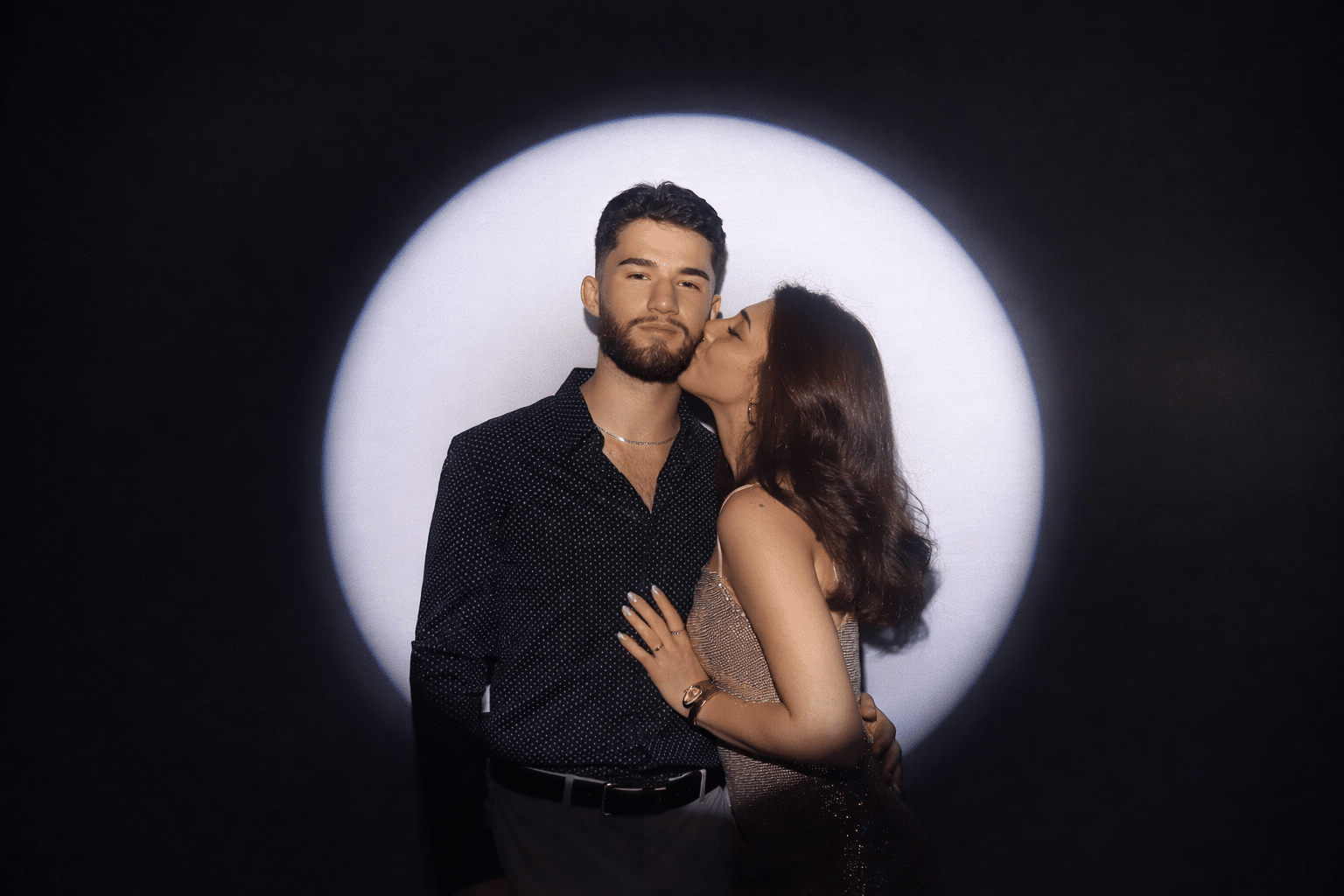
Can they show range? Not just one aesthetic. Their portfolio should be able to move across visual identities — black tie formal, garden romantic, editorial modern — without their own brand overwhelming your client’s.
Do they think about the room? Placement, guest flow, how the activation fits into the reception timeline — these aren’t production details, they’re design decisions. A vendor who thinks about them unprompted is a different category of partner.
What does the guest actually walk away with? The print quality, the digital delivery, the branded details — everything the guest takes home should be held to the same standard as everything else at that wedding. If it isn’t, it’ll stand out. Not in a good way.
Would you trust them to represent your standards? This is the one that matters most. Luxury events run on relationships and reputation. The vendor team in that room is an extension of yours.
The Phototique partners with select DC-area planners and venues to design photo and video experiences that are built for the room — not dropped into it. If you’re working on something that needs to be cohesive from the first look to the last activation, we’d love to hear about it.
The honest bottom line
Guests will forget a lot. The passed appetizers. The song that played during dinner. Probably the centerpieces, even the beautiful ones.
What they won’t forget is standing in front of something that was clearly designed for the occasion — in a dress they’ll never wear again, in a room full of people they love — and walking away with an image that actually looked like them at their best.
That’s not a small thing. And Washington, DC’s best weddings have figured out it’s worth planning for.
FOR PLANNERS AND COUPLES
Let’s design something unforgettable.
The Phototique partners with select DC-area planners and venues to create photo and video experiences that elevate every element of a luxury wedding. We’d love to learn about your vision.