
You’ve spent months bringing an event together. The lighting, florals, furnishings, signage, and every visual detail have been considered.
Then comes the photo activation.
Does it feel like part of the room? Or does it look like something that was brought in at the last minute?
For corporate events, conferences, and galas, that distinction matters. A photo or video experience becomes part of the environment guests see, interact with, and photograph. Its design should contribute to the atmosphere you’ve worked to create.
A well-designed branded photo experience brings the event’s visual identity into the physical setup, guest interaction, and finished content. That means considering lighting, scenic elements, placement, and branding together, so the activation feels connected to the room rather than separate from it.
At The Phototique, we approach photo and video activations as part of the overall event design. The room, the audience, and the purpose of the gathering help shape the creative direction.
Because the best experiences don’t just occupy space. They belong in it.
Start With the Room, Not the Photo Booth
Before choosing a photo booth or video experience, look at the environment it’s entering.
What has already been established through the event design?
Consider the architecture, lighting, color palette, furniture, florals, draping, and scenic elements. Even the way guests move through the space can influence how an activation should look and function.
A formal gala with warm lighting, layered textures, and dramatic florals may call for an editorial portrait setting that complements the room.
A contemporary corporate reception might benefit from a clean, architectural setup with restrained branding.
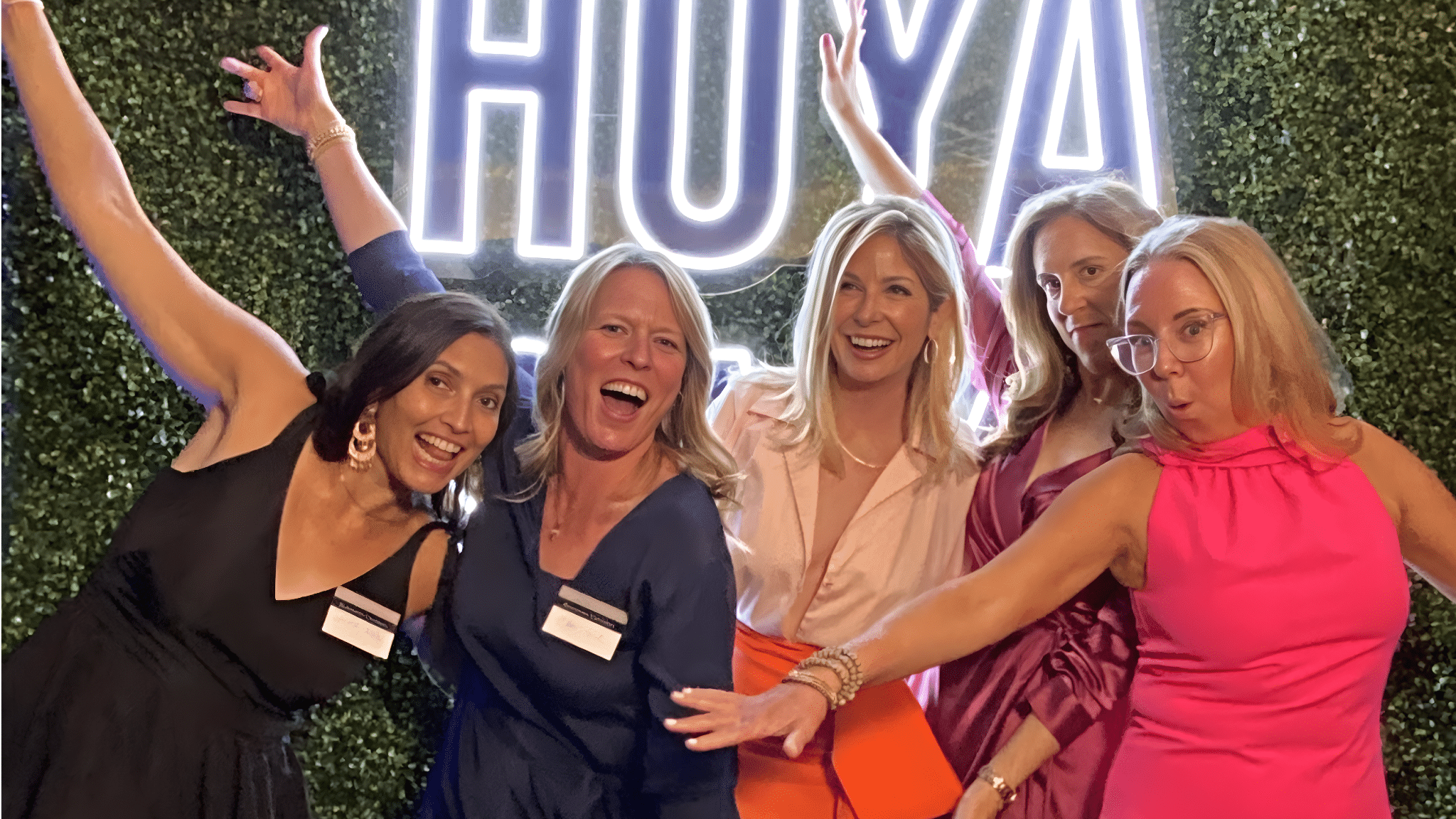
A high-energy conference celebration could support a more expressive installation, using movement, bold visuals, and interactive elements.
None of these approaches is inherently better.
The right choice is the one that supports the occasion.
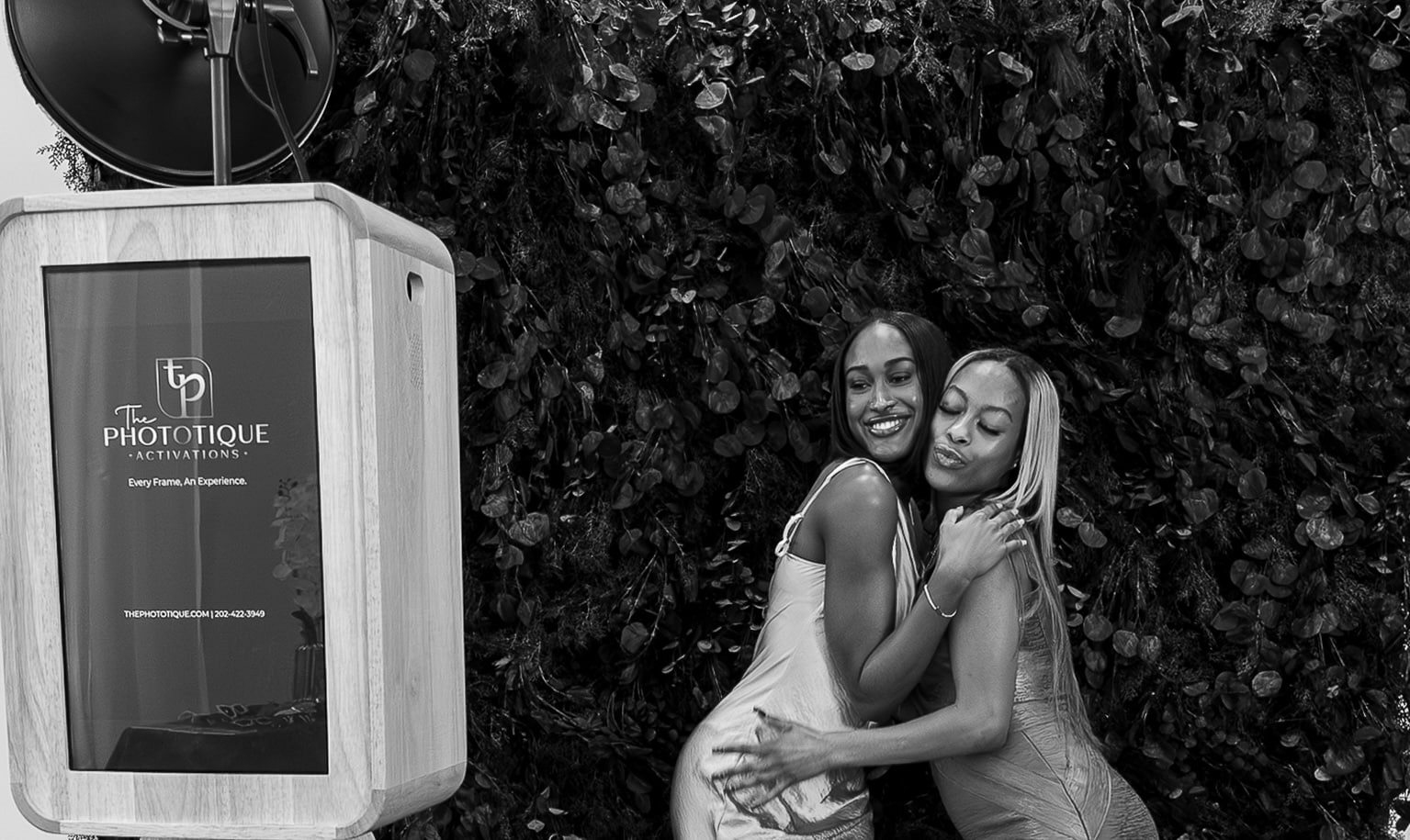
And that doesn’t mean matching every detail. Sometimes contrast is exactly what the design needs. A black-and-white portrait studio can feel striking inside a colorful ballroom when the lighting, proportions, and presentation are thoughtfully considered.
The goal is visual continuity, not uniformity.
How Do You Make a Photo Booth Look Like Part of the Event Design?
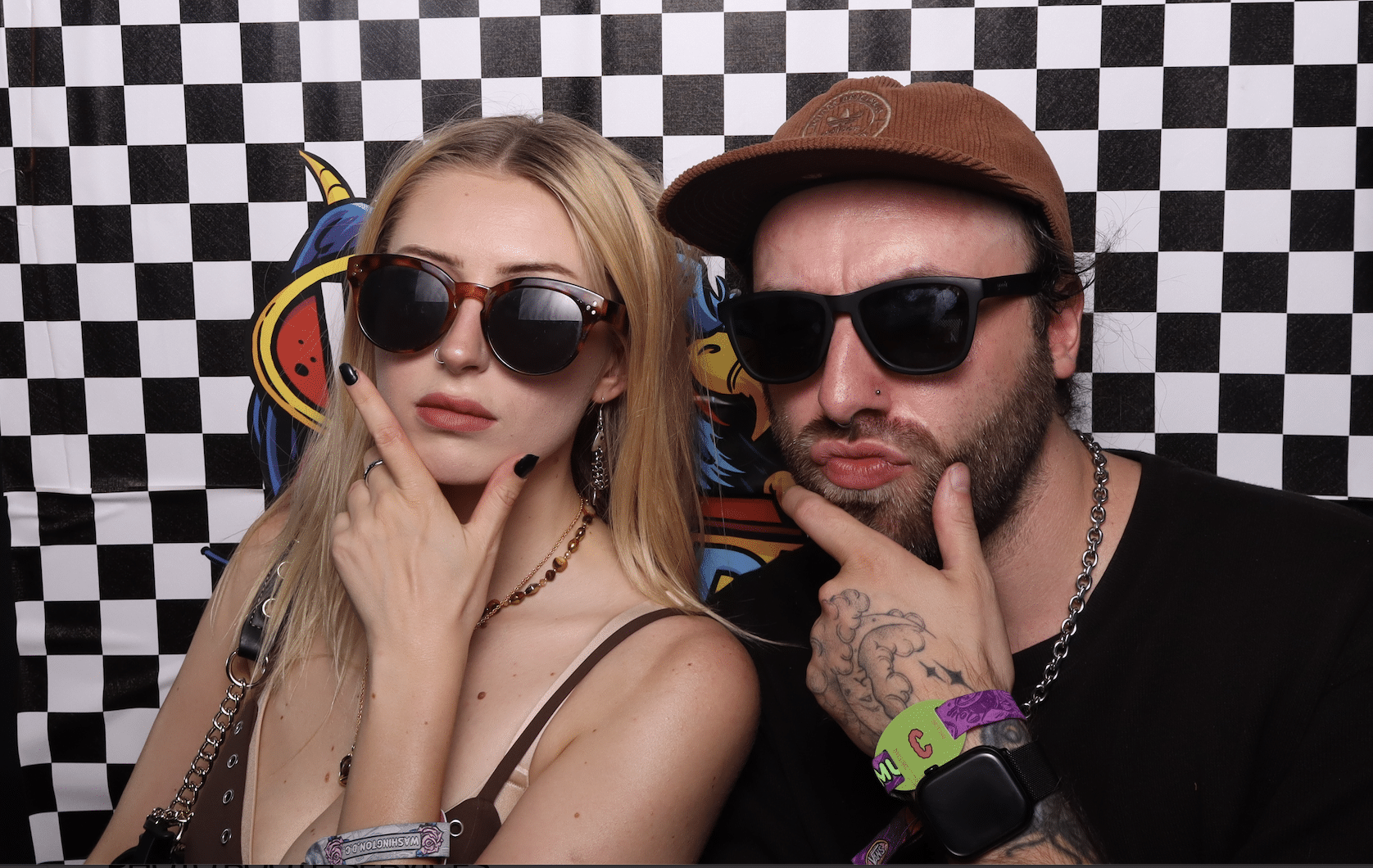
The difference often comes down to details that guests may never consciously notice.
1. Work With the Event’s Visual Language
Start with the colors, typography, materials, and design elements already being used.
A custom backdrop might reference the event’s scenic design. Draping could echo the surrounding textiles. A portrait setting might borrow a color or architectural detail from the room.
These connections don’t have to be literal.
Sometimes repeating a single visual element is enough to create cohesion.
2. Consider the Lighting Beyond the Photograph
Lighting has two jobs.
It needs to produce a flattering image, but it also needs to work within the atmosphere of the event.
A portrait experience may require controlled lighting to maintain consistent results. That doesn’t mean the entire setup should visually compete with the ballroom.
Think about light spill, equipment placement, reflective surfaces, and how the activation appears when viewed from across the room.
The guest should look good in the photograph, and the setup should look considered in the space.
3. Design for the Approach
What does a guest see before they step into the experience?
Is the entrance inviting? Is the purpose immediately clear? Does the setup look finished from multiple angles?
A beautiful backdrop can lose its impact when exposed equipment, visible storage, or an awkward queue becomes part of the presentation.
The experience begins before the camera captures anything.
4. Think About the Final Image
The physical installation and the finished photograph should feel connected.
If the event is designed around a refined, editorial aesthetic, the resulting photo shouldn’t suddenly introduce unrelated graphics or an overly busy template.
Carry the visual direction through the backdrop, lighting, image treatment, typography, and digital or printed output.
That continuity makes the finished content feel like a natural extension of the event.
One Event, Multiple Spaces, One Visual Story
Large conferences and conventions often have multiple environments, each serving a different purpose.
A welcome reception may feel entirely different from an exhibition hall, member gathering, or closing celebration.
That doesn’t mean every activation needs to look identical.
At Delta Sigma Theta Sorority, Incorporated’s 57th National Convention in Washington, DC, The Phototique created photo experiences across seven activation zones.
Each environment had its own purpose and presentation, while the creative elements remained connected to the organization’s identity.
Custom props, scenic details, signage, and photo designs helped establish that connection across the convention experience.
The result was a collection of distinct guest moments within a larger, coordinated event.
Explore The Phototique’s Delta Sigma Theta National Convention project.
The design lesson: consistency doesn’t require sameness.
For a multi-day conference, a shared visual system can carry across different spaces while allowing each activation to respond to its surroundings.
That might mean maintaining a consistent typography system, incorporating a recognizable motif, or carrying a signature color through different creative treatments.
The individual experiences can change. The connection to the event remains.
Choose the Photo Experience for the Role It Plays in the Room
Not every event needs a large installation.
And not every photo experience should be designed to attract attention in the same way.
The format should follow the role you want it to play.
The Editorial Portrait Moment
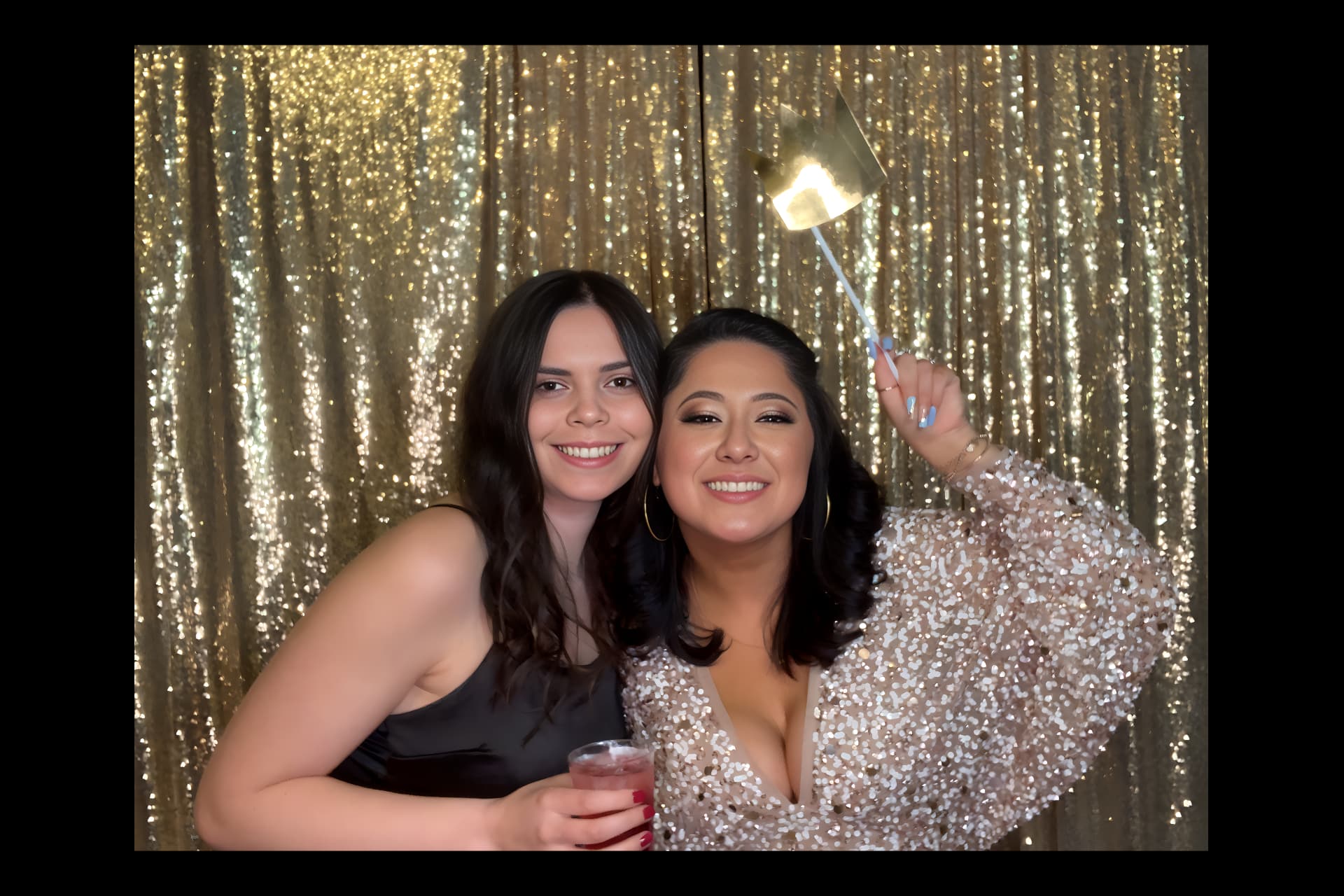
For a formal gala, awards celebration, or corporate reception, a styled Portrait Studio or Glam experience can create a dedicated moment for guests.
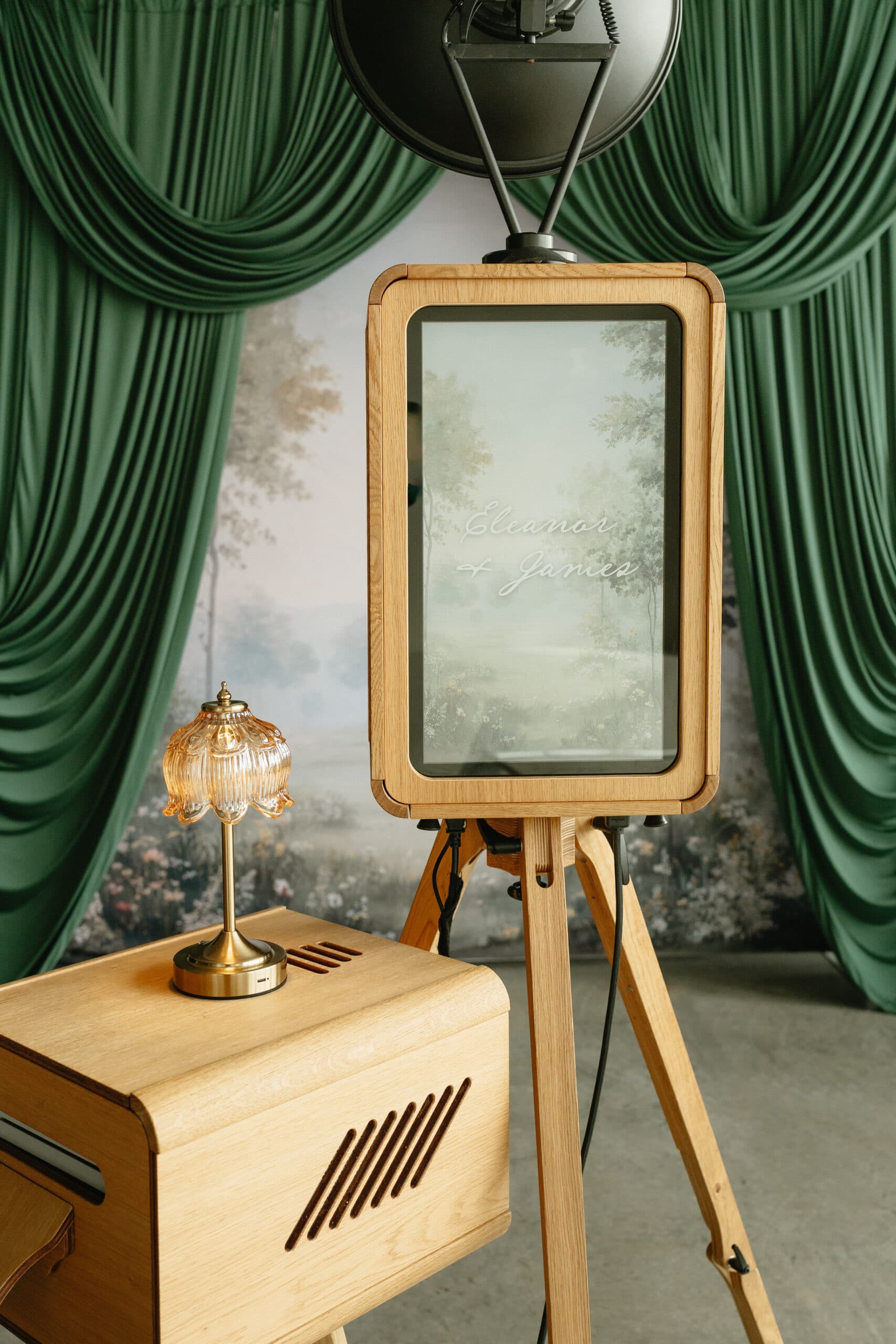
The lighting, backdrop, and scenic presentation can be designed to complement the event’s atmosphere.
Guests receive a portrait that feels connected to the occasion, while the physical setting becomes part of the room’s design.
This approach works particularly well when the event calls for polished photography and a more deliberate guest interaction.
The Interactive Installation
Some events call for an experience that becomes a visual focal point.
A Magazine Cover Booth can create an editorial setting where guests step into a custom-designed cover.
Scribbl’d Studio offers a different kind of interaction, inviting guests to write on glass as part of a video experience.
In both cases, the activation can incorporate the event’s creative direction through its physical presentation, custom graphics, and guest interaction.
The key is making sure the installation earns its place in the room.
Its size, visual treatment, and purpose should support the event, not compete with it.
The Experience That Moves With the Event
Sometimes the room itself is the set.
A Roamer photo experience allows guests to be photographed within the existing environment, preserving the atmosphere and interactions already happening.
Rather than building a separate destination, the photography becomes part of the event’s natural flow.
For networking receptions, cocktail hours, and gatherings with multiple conversation areas, this can be an effective alternative to a stationary activation.
Branding can still be incorporated through custom image treatments and digital delivery without introducing another large scenic element.
Let the Event’s Character Shape the Creative
Some of the strongest activation concepts come from paying attention to what makes an event distinct.
Its mission, audience, theme, and setting can offer more creative direction than a generic mood board.
DC SCORES: Letting the Setting and Mission Lead
At the DC SCORES One Night One Goal Gala, the rooftop setting and city views were part of the experience.
The Phototique created a 360 video activation that connected to the event’s atmosphere and the organization’s soccer and spoken-word identity through branded visual elements and props.
The creative direction gave guests an opportunity to participate in a moment tied to the celebration.
Explore the DC SCORES 360 activation.
PCMA Celebrate: Designing Around a Defining Detail
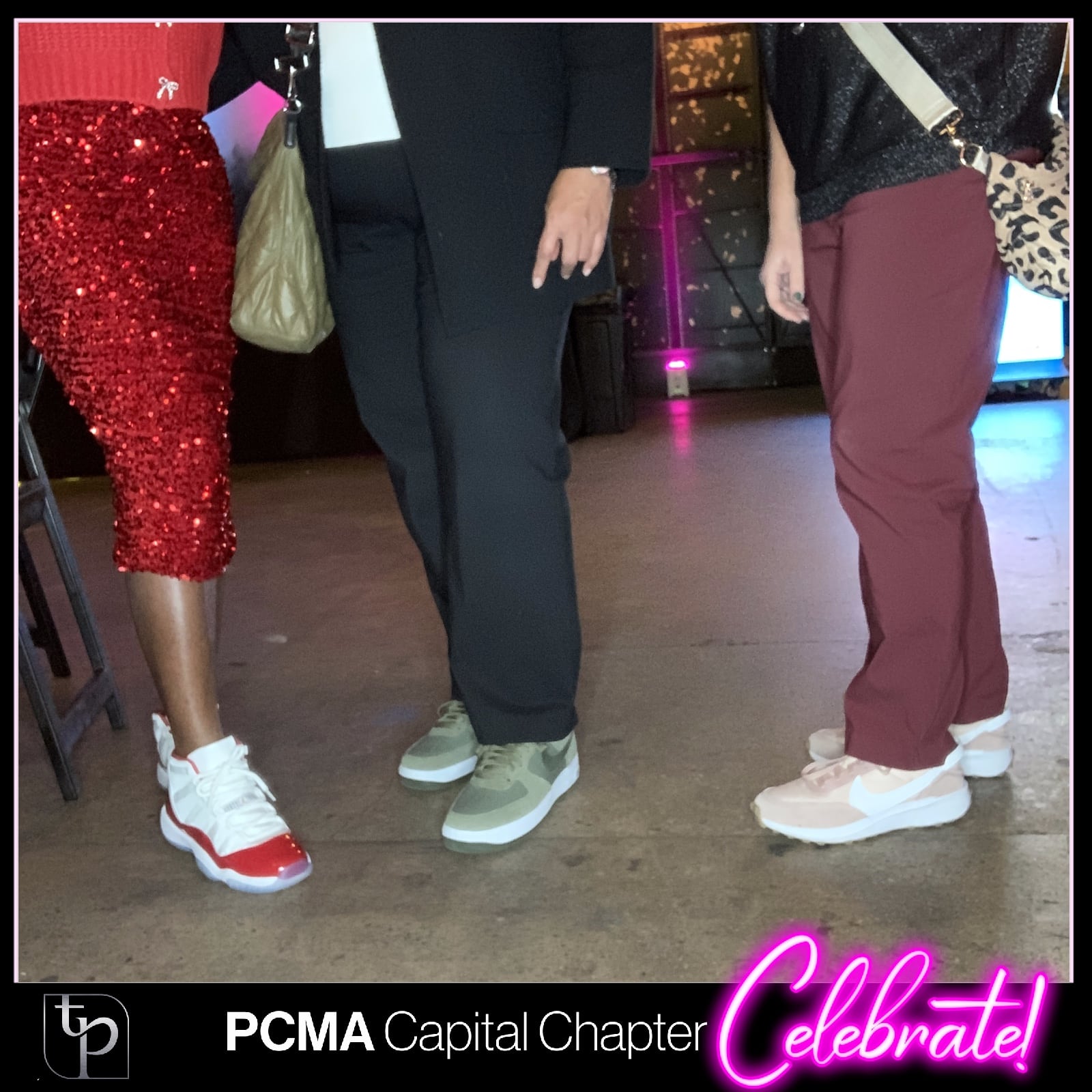
At PCMA Celebrates Sneaker Ball, the guests’ footwear was central to the theme.
Rather than treating the event like a standard formal reception, The Phototique incorporated that detail into the experience through a Sneaker Cam and 360 Video Booth.
The creative direction reflected how guests were already participating in the celebration.
See the PCMA Celebrate Sneaker Ball experience.
PCMA and FedEx: Keeping the Reception in Focus
At a Congressional Black Caucus reception, PCMA and FedEx selected The Phototique’s Roamer for branded photography.
The mobile format allowed photography to happen throughout the gathering without requiring guests to move to a dedicated installation.
The existing environment remained part of the experience.
These projects illustrate an important design principle: the event should inform the activation, not the other way around.
Branding Should Feel Integrated, Not Applied
A logo can establish ownership of an image.
But thoughtful brand integration considers how the identity appears throughout the experience.
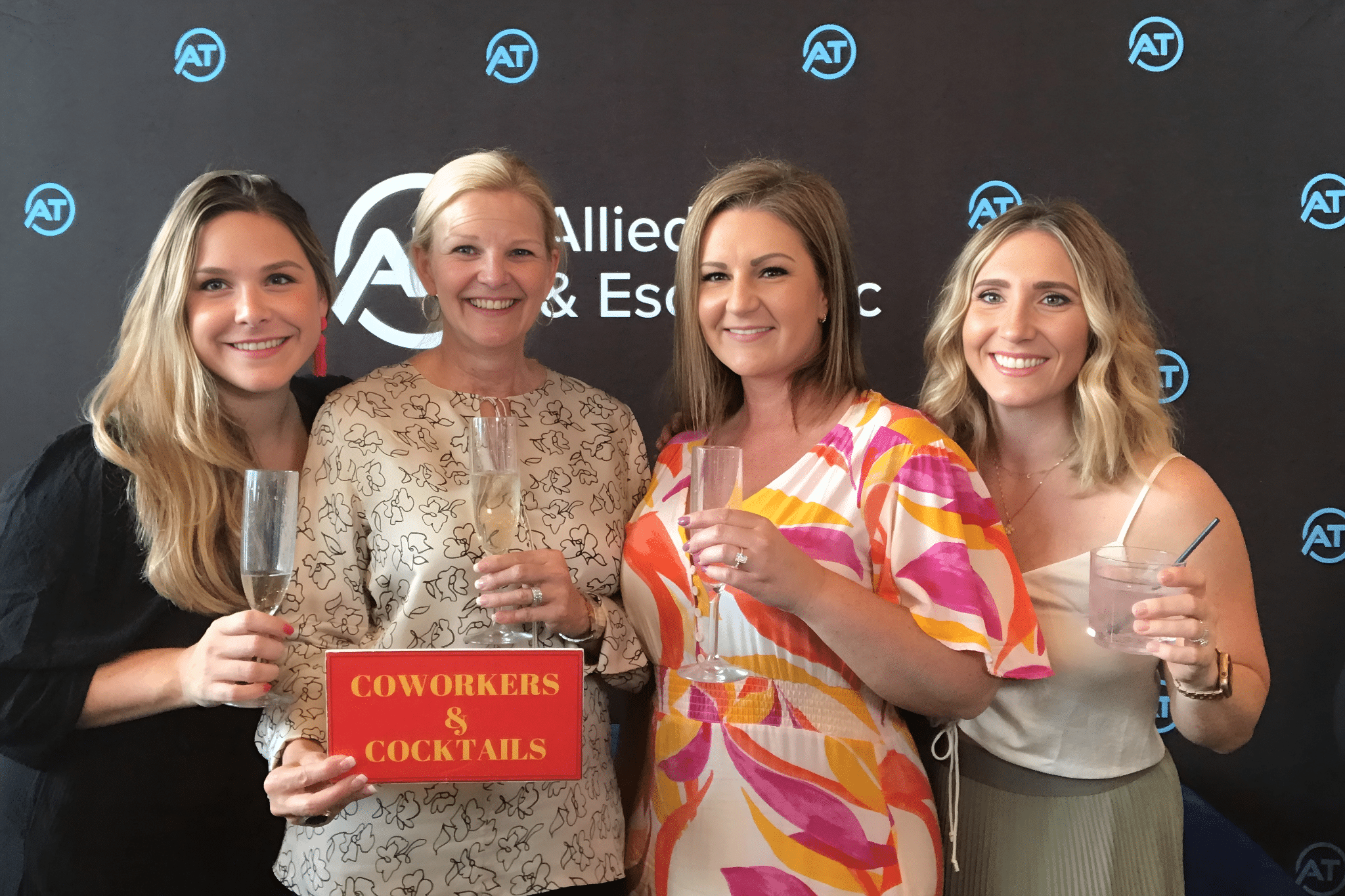
That might include the physical backdrop, an architectural detail, a custom headline, an interactive prompt, or the finished photo and video design.
For a sponsor activation, the branding may need to be prominent enough to establish a clear association.
For a formal gala, a more restrained approach might better suit the room.
The objective isn’t to minimize branding. It’s to use it with intention.
A sponsor’s colors might influence the scenic treatment. A campaign message could become part of a guest interaction. A custom graphic system might connect the activation to the event’s signage and printed materials.
When those elements work together, the experience feels cohesive without requiring the logo to dominate every surface.
This is the thinking behind The Phototique’s branded photo and video experiences.
What Event Planners Should Share Before the Design Begins
A strong creative brief helps the activation partner understand more than the event date and guest count.
For a branded photo or video experience, a few details can make a meaningful difference.
The event’s visual direction
Share the mood board, color palette, invitation, scenic renderings, or other materials that establish the look and feel.
Photos or renderings of the venue
Understanding the room helps inform the backdrop, equipment presentation, lighting, and placement.
The guest journey
Explain when guests will encounter the experience. Will it be during a cocktail reception, between conference sessions, or after the formal program?
The intended role of the activation
Is it a portrait destination, a sponsor experience, an interactive focal point, or a way to capture guests throughout the event?
The desired takeaway
Consider whether guests should leave with a professional portrait, a personalized print, a branded digital image, or a shareable video.
Production requirements
Confirm the available footprint, power, load-in schedule, access, accessibility, and any venue restrictions.
These details allow the creative concept and practical execution to develop together.
A Photo Experience Should Look Good From Every Angle
The final image matters, but so does everything surrounding it.
The approach. The lighting. The way guests interact. The visual relationship between the activation and the rest of the event.
A thoughtfully designed experience considers all of those elements.
For planners, that means fewer visual compromises and a photo moment that feels connected to the environment they’ve created.
For guests, it means participating in something that feels natural to the occasion.
And for brands, it means creating content that carries the event’s identity without losing the personality of the people in the frame.
Let’s Design Something That Belongs
Your event already has a story.
The photo experience should know how to be part of it.
At The Phototique, we create design-led photo, video, and interactive experiences for conferences, conventions, corporate events, brand activations, and galas throughout Washington, DC, Maryland, and Virginia.
From editorial portrait settings to interactive installations and roaming photography, we shape the experience around the environment, audience, and purpose of the gathering.
Planning an event with a distinct visual direction?
Explore The Phototique’s Brand Experience or start a conversation about creating a photo or video moment that belongs in your room.
The Phototique | Every Frame, An Experience.