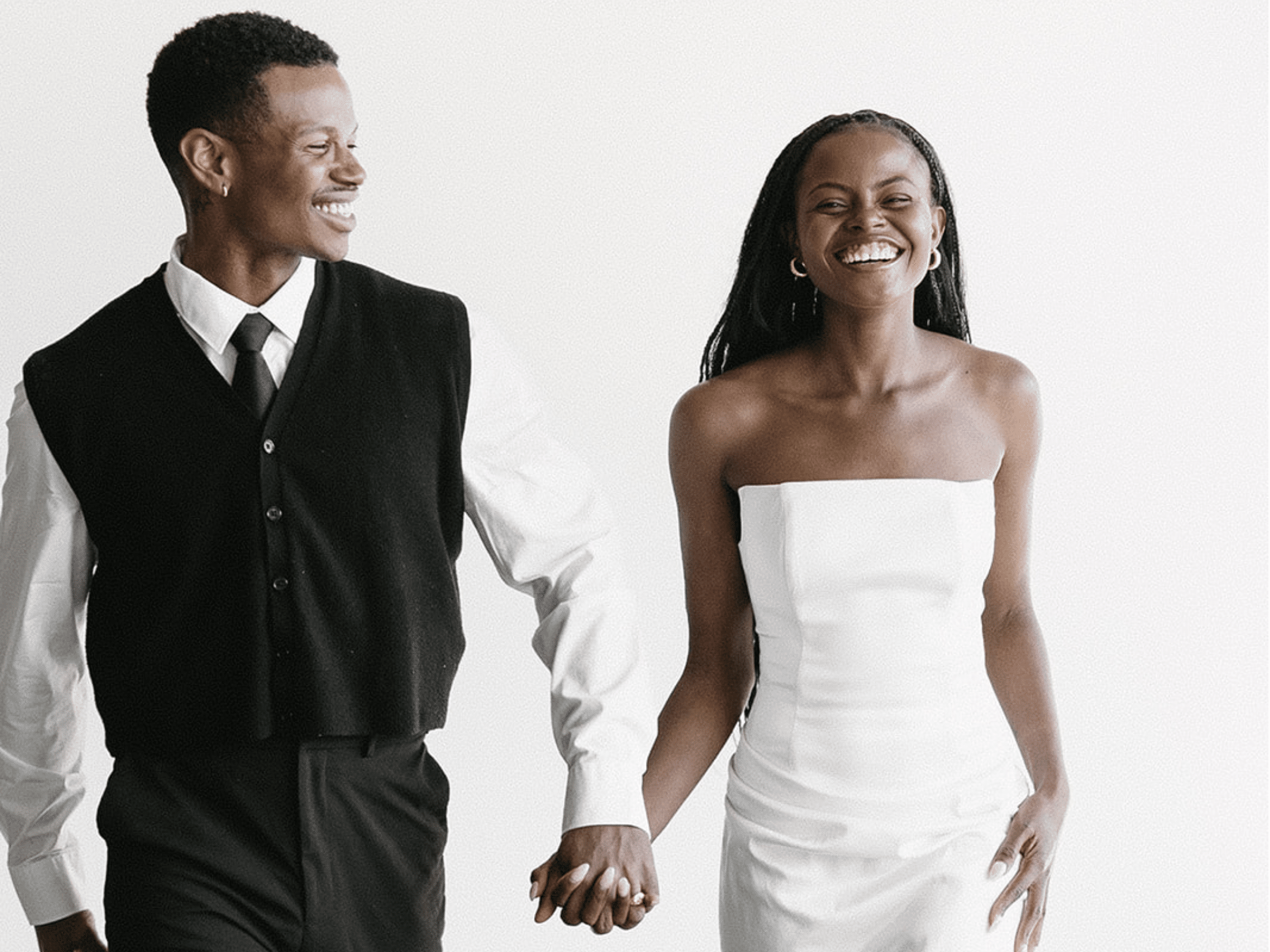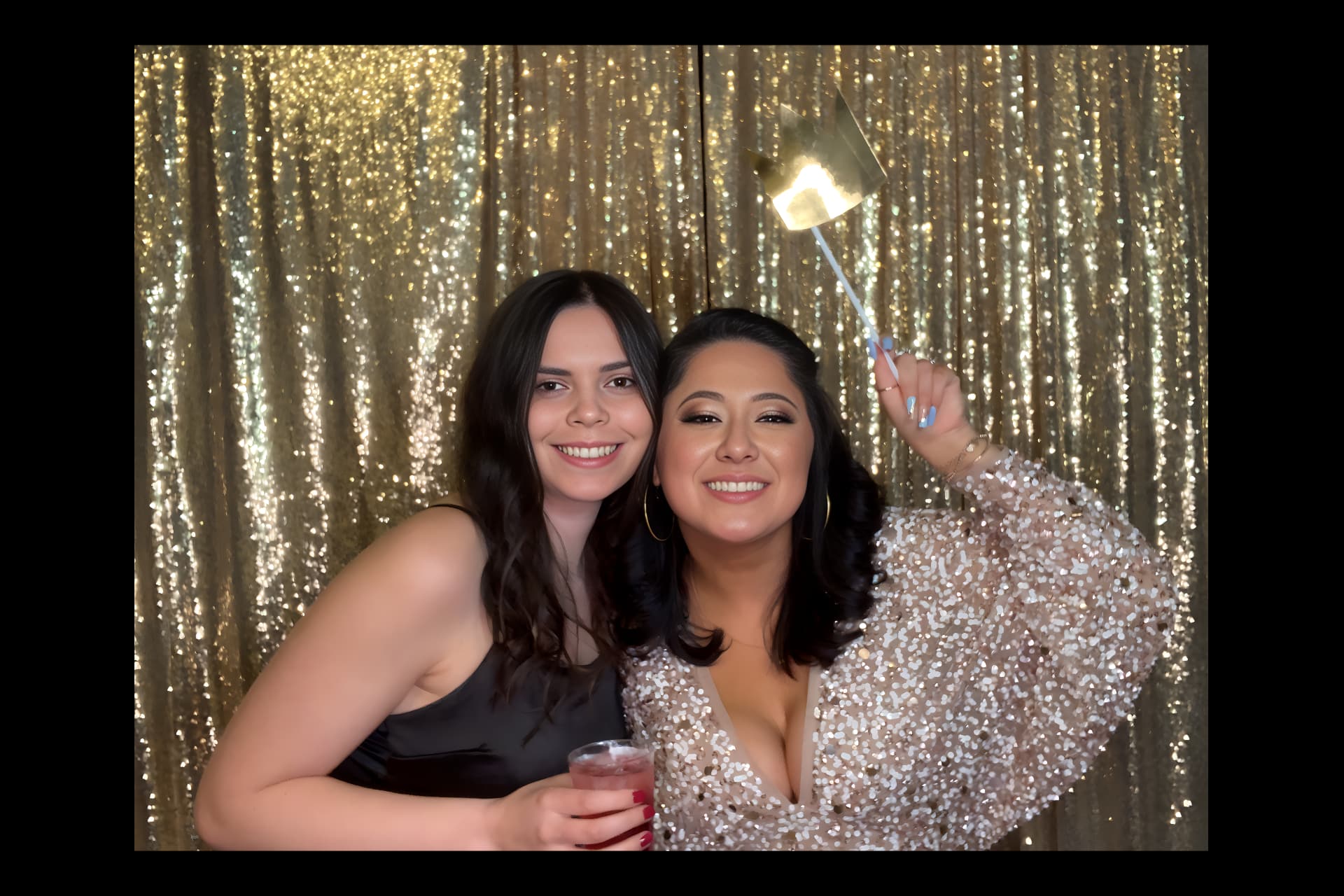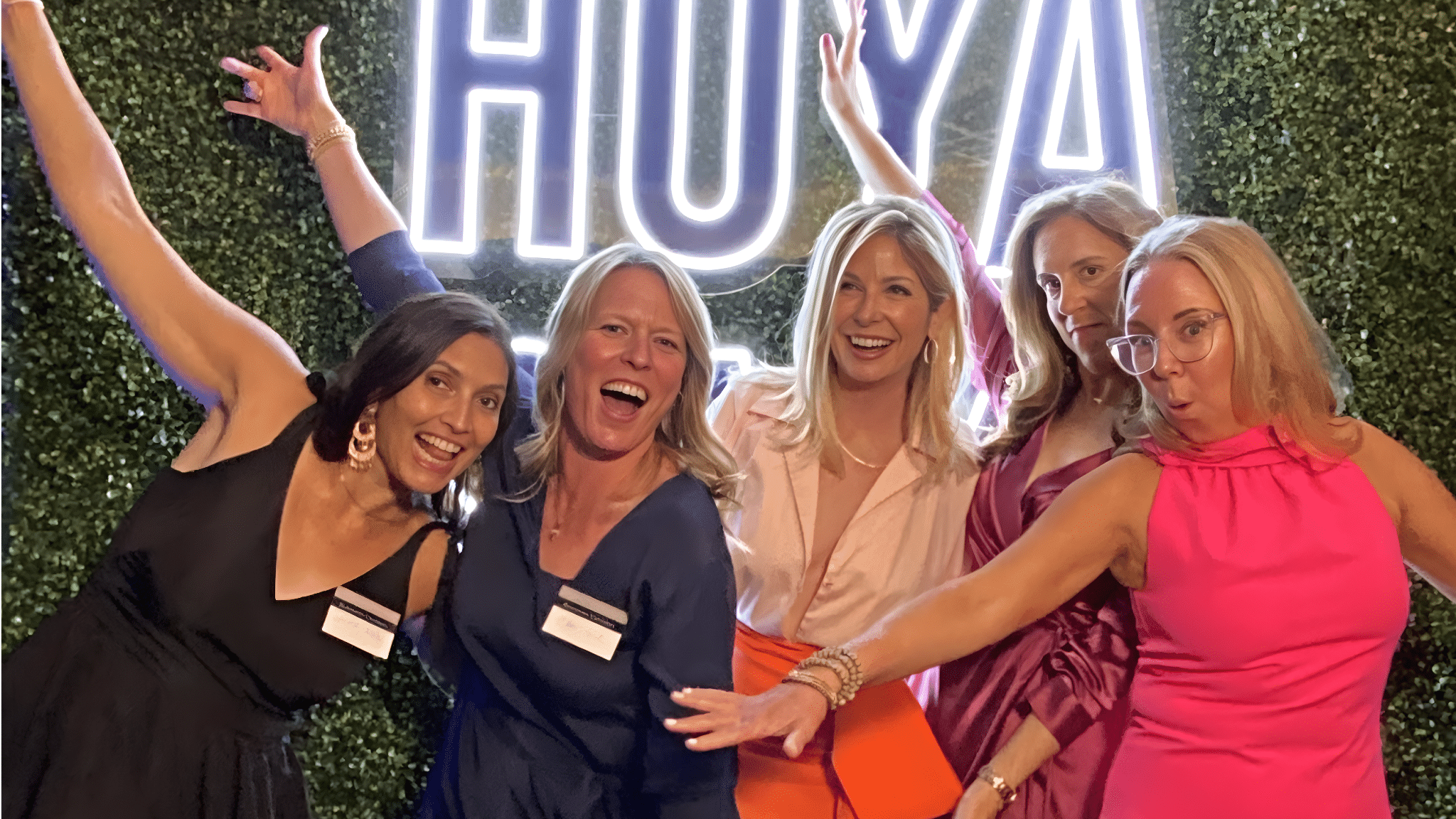


The short answer: Gala photo and video experiences work when they match the room, honor the guest, and amplify the cause. They fail when they treat a black-tie event like a trade show floor. Gala guests in Washington, D.C. are dressed up, emotionally invested in the evening, and looking for an experience that matches the effort they made to be there. The experiences that deliver Portrait Studios, 360 experiences, GlamBots, Scribl’d message walls produce lines that back up across the room and posts that go up before the night ends.
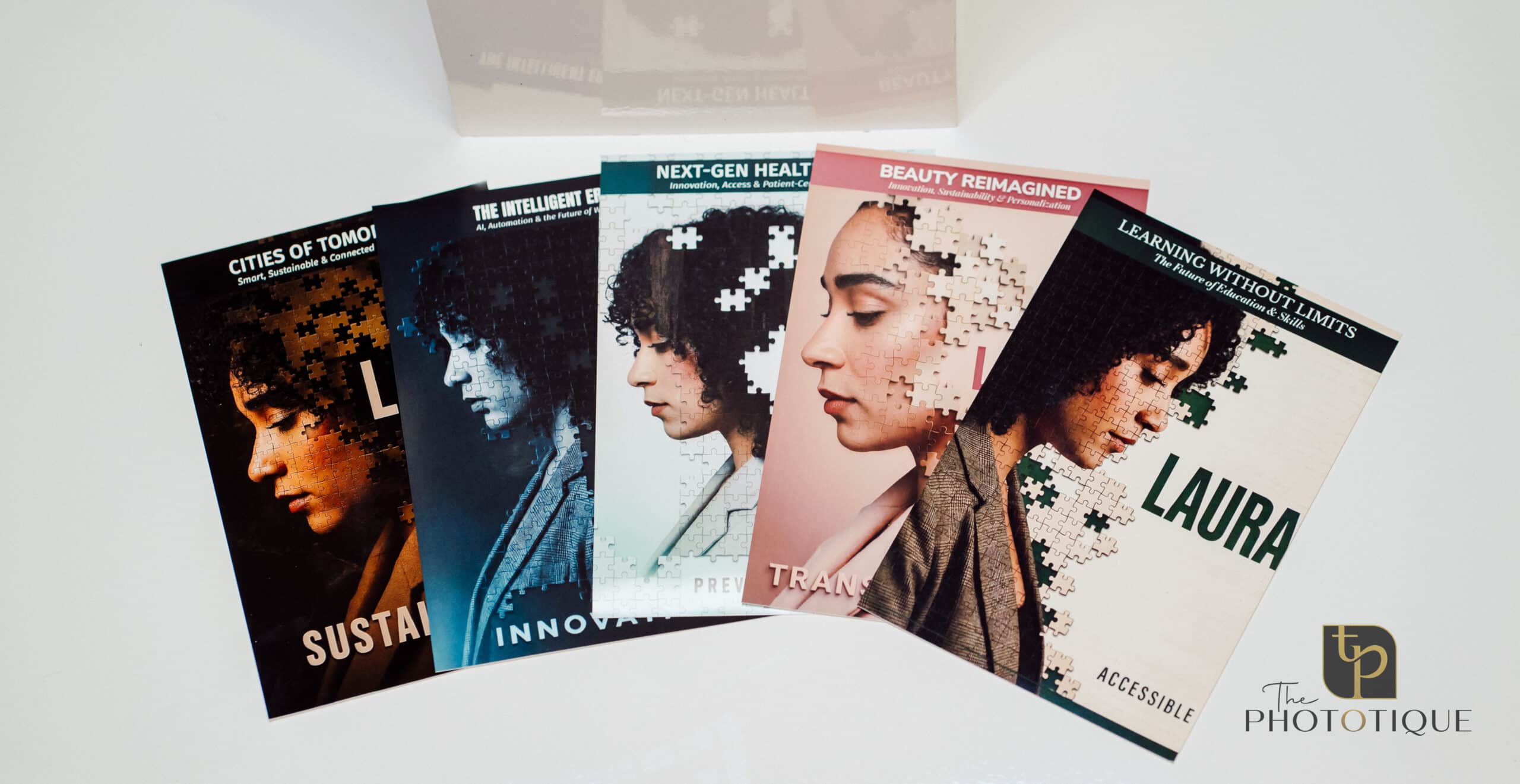
Every planner calling us right now says some version of the same thing: “We want AI at our event.”
And the first question I ask every single one of them is: “What do you actually want AI to do?”
Because AI is not an activation. It is a capability. And the difference between an AI experience that stops a room and one that guests walk past comes down entirely to how that capability is used -and whether anyone spent the hours required to make it work properly before the event doors opened.
After executing AI activations at conferences, galas, trade shows, and brand events across Washington, DC, including viral experiences, here is what I know actually works.
Want to see the full range of activation options for DC events? Explore the best conference and corporate activation ideas for DC and DMV events in 2026.
What Is an AI Event Activation and What Is It Not?
Definition: An AI event activation uses artificial intelligence to transform a guest’s image into something a stylized portrait, an alternate reality, a branded world that they could not experience any other way. It is not a filter. It is not a preset. It is a real-time transformation that produces a result unique to that guest, that event, and that moment. The output should feel as if it were made specifically for them. When it does, they share it. When it doesn’t, they shrug.
The most important thing to understand about AI activations in 2026 is that there is an enormous range of what the technology can do, and planners who call and say “we want AI” are often describing three or four completely different experiences without realizing it.
There are AI experiences that physically place guests in a space, putting them on a stage, on a field, or in a branded environment. There are AI experiences that amplify something already present, taking a guest’s professional headshot and pushing it into editorial territory. And there are AI experiences that completely transform the guest into something else entirely, a different aesthetic, a different world, a different version of themselves.
Each of these serves a different purpose. Each works best in a different context. And none of them work without knowing which one you actually need.
What Makes an AI Activation Feel Premium Versus Gimmicky
Key insight: An AI activation feels premium when it is intentional when the transformation serves a specific purpose tied to the event’s identity, theme, or audience. It feels gimmicky when it is misaligned when the AI output doesn’t connect to anything meaningful about the event or the guest. The technology is the same. The difference is in the thinking before the event.
The best AI activations we have executed at DC events share one characteristic: they transformed guests into something specific and meaningful.
At a Broadway-themed activation, guests were transformed into the stars of their own show – styled, lit, and composed like a professional Broadway production photo. The output wasn’t just beautiful. It was a specific fantasy that connected directly to the theme of the evening. Guests were in awe. They kept coming back to try different looks. They couldn’t get enough because every output felt like it was made for them.
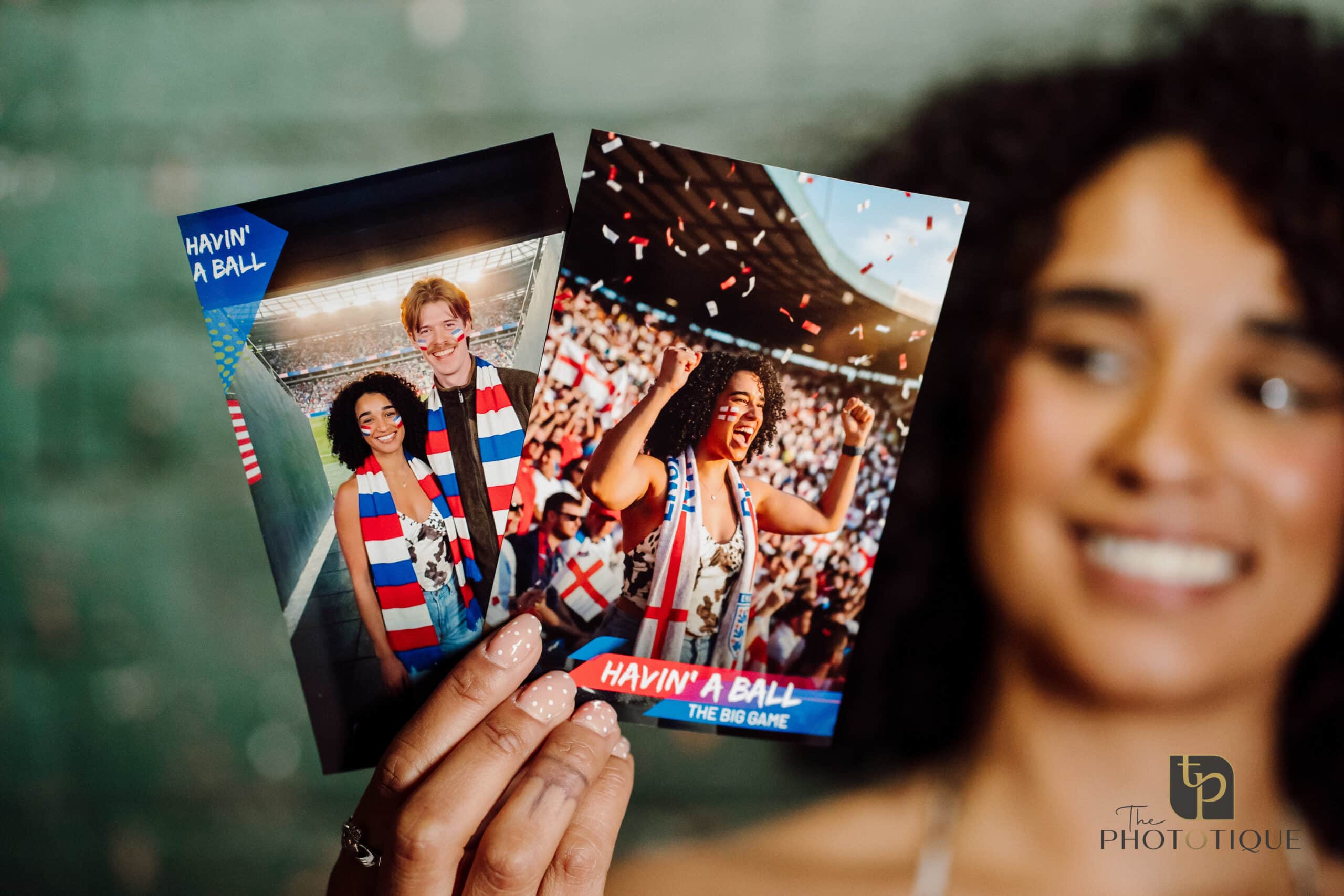
At a FIFA fan activation, guests became soccer players – their image placed into a world that matched the energy and identity of the event. Fans who came expecting a fun experience left with something that looked like it belonged on a sports broadcast. That specificity is what drives shares. Not the AI itself — what the AI was used to create.
Compare that to an AI activation dropped into an event with no connection to the theme, no alignment with the audience, and no specific transformation in mind. Guests interact with it once, say “that’s cool,” and move on. Nobody comes back. Nobody posts. The technology was there, but the intention wasn’t – and guests feel that absence even when they can’t name it.
The Behind-the-Scenes Work Nobody Talks About: Prompt Engineering
What planners don’t know: A successful AI activation requires hours of prompt engineering before the event. The prompts the instructions that tell the AI how to transform each guest’s image have to be tested, refined, and perfected for the specific event aesthetic, brand identity, and desired output. Throwing a prompt together the day of an event produces inconsistent results. At a corporate event with a major brand, inconsistent results are not acceptable.
This is the part of AI activations that nobody talks about in the sales conversation, and the part that separates activations that perform from ones that disappoint.
The AI engine behind a portrait transformation has a heavy backend. Getting it to produce consistently beautiful, on-brand results for hundreds of guests in real time requires significant preparation. We spend hours before every AI activation testing prompts, refining the language, adjusting the parameters, reviewing outputs across different guest types to make sure that when the doors open and the first guest steps in, the result is exactly what it should be.
What happens when that work isn’t done? Inconsistency. One guest gets a stunning output. The next gets something that doesn’t look right. At a consumer event, that’s a minor disappointment. At a corporate event for Amazon or FedEx, where the activation is carrying a brand, the problem reflects on everyone in the room.
When you are evaluating AI activation partners, this is the question to ask: how much time do you spend on prompt engineering before the event? The answer will tell you everything you need to know about the quality of the output you can expect.
The AI Activation That Went Viral and Why
The sketch AI fashion experience is the one that changed the conversation.
Guests step in, their image is captured, and what comes back looks like a high-fashion illustration editorial, artistic, the kind of image that belongs in a magazine. Not a photo. Not a filter. A genuine transformation into a piece of fashion art.
When that experience hit the right audience at the right event, it traveled. Fast. The outputs were so distinctive, so shareable, so unlike anything guests had seen at an event before that they posted immediately and repeatedly. It spread across social networks. People who weren’t at the event were asking where it came from. Planners who saw it in their feeds called us.
That virality wasn’t an accident. It happened because the output was genuinely beautiful and genuinely different and because it was the kind of thing a person is proud to have on their feed. Not branded content disguised as personal content. A piece of art that happened to carry an event identity.
That is the standard every AI activation should be held to. Not “is this cool” but “is this something a guest would be proud to post?”
The Three Tiers of AI Activation: Which One Does Your Event Actually Need?
One of the most useful frameworks for planners trying to figure out what they want from an AI activation is recognizing three distinct tiers of AI experience, each serving a different purpose and requiring a different level of preparation.
Tier 1: AI That Places You in a Space
These activations physically situate the guest in a branded or thematic environment on a stage, on a field, in a specific world. The guest is recognizably themselves, but the context around them has been transformed. Best for events where the environment or theme is the story, sports activations, entertainment events, and branded world experiences.
Tier 2: AI That Amplifies What’s Already There
That feeling that specific emotional response is what drives shares. When someone feels like a celebrity, they post like one. And every post carries the event’s branding into their network.
The movement and drama of these activations also create a visual moment within the gala itself. Guests across the room see the GlamBot in action and walk over to find out what it is. The activation markets itself.
Tier 3: AI That Completely Transforms
These are the activations that produce the biggest reactions and the most shares because the output is completely unexpected. Broadway stars. Soccer players. Fashion illustrations. Alternate reality versions of the guest that are so different from what they walked in as that the reveal is genuinely shocking in the best possible way. Best for brand activations, entertainment events, and any event where the goal is maximum social amplification.
The question is not “do we want AI.” The question is which tier serves your event and what specific transformation will resonate with your audience.
What Planners Get Wrong When They Brief an AI Activation
The most common briefing mistake is calling and saying “we want AI” without knowing what that means. I understand why it happens AI is everywhere, everyone is talking about it, and planners are responding to what their clients and attendees are asking for. But “we want AI” is not a brief. It is a starting point.
The conversation that actually produces a great activation sounds different. It starts with the event the theme, the audience, the vibe, the goals. It asks what guests should feel when they see their output. It considers what the event is about and what a transformation that connects to that theme would look like. It thinks about whether the goal is social amplification, keepsake quality, lead generation, or pure guest delight because the answer shapes which AI experience is right.
The planners who have the best AI activation outcomes are the ones who come to the briefing thinking about their guests first and the technology second. The technology serves the guest experience. When that order gets reversed, the activation suffers.
And the planners who were nervous going in the ones who weren’t sure AI was right for their audience, who asked a lot of questions, who needed to see it before they believed it are consistently the ones who can’t get enough once the event is live. I have had corporate planners step away from managing their own event to come try the AI activation themselves. That is the best possible sign.
Ready to Design an AI Activation That Actually Delivers?
The Phototique designs intentional AI photo and video experiences for conferences, galas, and corporate events across Washington DC and the DMV. We handle the prompt engineering, the brand alignment, and the on-site execution so the output is exactly what your event deserves.
Request a Custom AI Activation Proposal →
Frequently Asked Questions About AI Event Activations in DC
What is an AI event activation?
An AI event activation uses artificial intelligence to transform a guest’s image in real time placing them in a branded world, elevating their appearance to editorial quality, or completely transforming them into something specific to the event theme. The output is unique to each guest and produced on-site, typically delivered digitally within minutes for immediate sharing.
What makes an AI activation feel gimmicky versus premium?
Intention and alignment. An AI activation feels premium when the transformation connects to something specific and meaningful about the event the theme, the brand, the audience, the cause. It feels gimmicky when AI is added without a clear purpose or when the output doesn’t connect to anything guests care about. The technology is the same. The difference is in the thinking before the event.
How long does it take to set up an AI activation for a corporate event?
The visible setup is relatively quick. The invisible work prompt engineering, output testing, brand alignment takes several hours before the event. Any activation partner who isn’t doing that preparation work is cutting a corner that will show up in inconsistent results on the event floor.
Which AI activations are most popular at DC corporate events and galas in 2026?
AI portrait transformations, sketch fashion experiences, and themed world placements are the highest-demand AI activations at DC events in 2026. The sketch AI fashion experience in particular has generated significant viral reach. The right choice depends on your event theme, audience, and goals — not on what’s trending.
Do AI activations work for all event types and audiences?
Most audiences respond strongly to well-executed AI activations including audiences that seem unlikely candidates. Corporate planners who are skeptical before the event are consistently among the most enthusiastic participants once it’s live. The key is matching the AI experience to the specific event context. A misaligned AI activation will underperform with any audience.
How do I brief an AI activation vendor effectively?
Start with your event the theme, the audience, the goals, the vibe before you talk about the technology. The best AI activation brief answers the question: what do we want guests to feel when they see their output? What does our event stand for? What transformation would mean something to our specific audience? That thinking produces a brief activation partner that can actually work with.