

When you’re planning a gala, choosing a photo booth can seem relatively simple.
Pick a setup. Choose a backdrop. Add the event logo.
But the experience that works beautifully at one gala may feel completely out of place at another. The venue, room design, guest count, program and even the timing of cocktail hour can influence which photo experience makes sense.
The right photo booth for a gala should complement the room, support the flow of the event and give guests a meaningful reason to participate. It is not necessarily the largest or most elaborate option. It is the one that belongs.
Here are the most important factors to consider.
1. Begin With the Purpose
Before comparing booths, begin with the purpose.
Do you want guests to:
- Take a beautiful portrait?
- Interact with one another?
- Create shareable content?
- Participate in the event theme?
- Connect with the organization’s mission?
- Engage with a sponsor?
- Leave with a personalized keepsake?
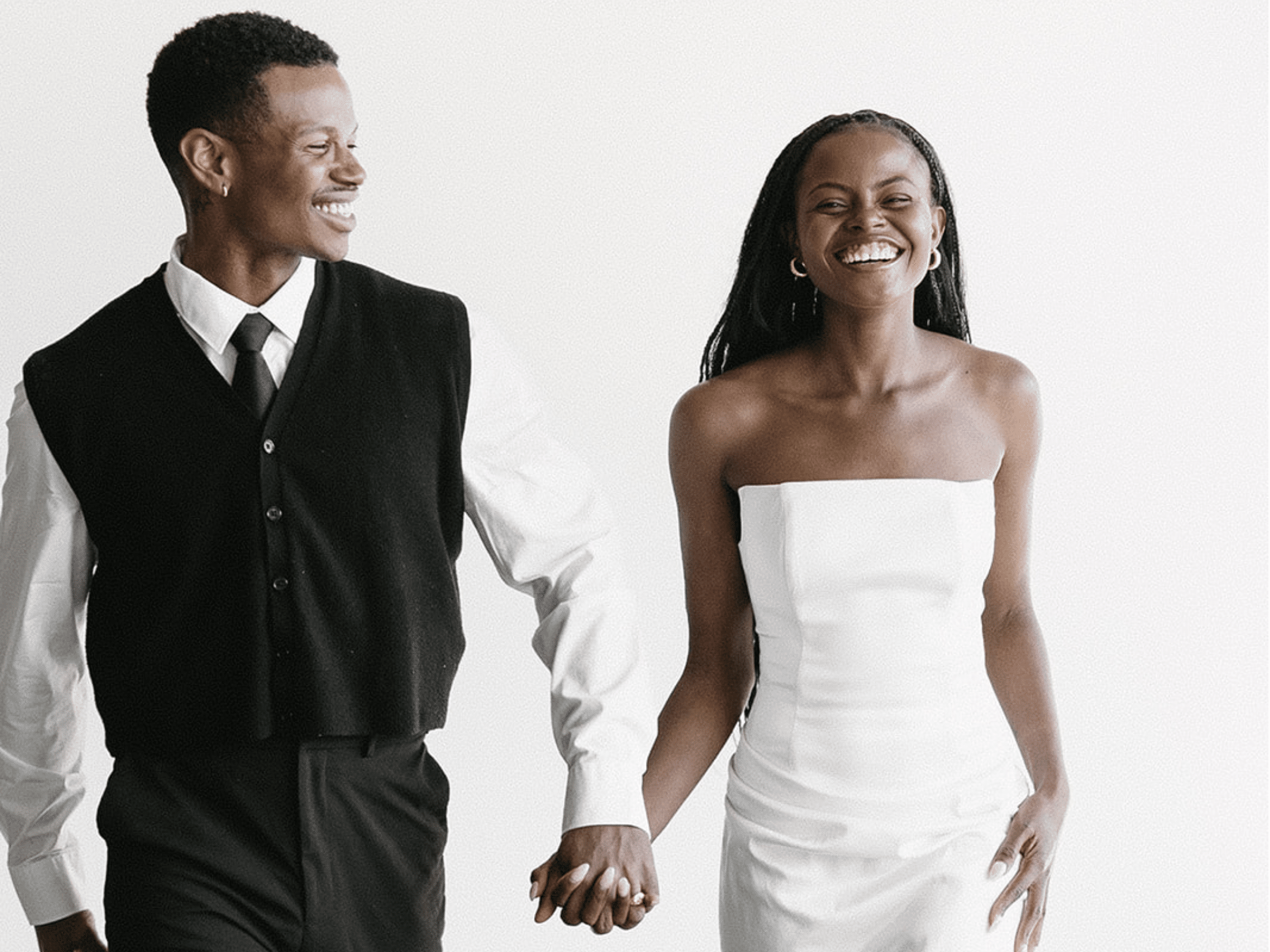
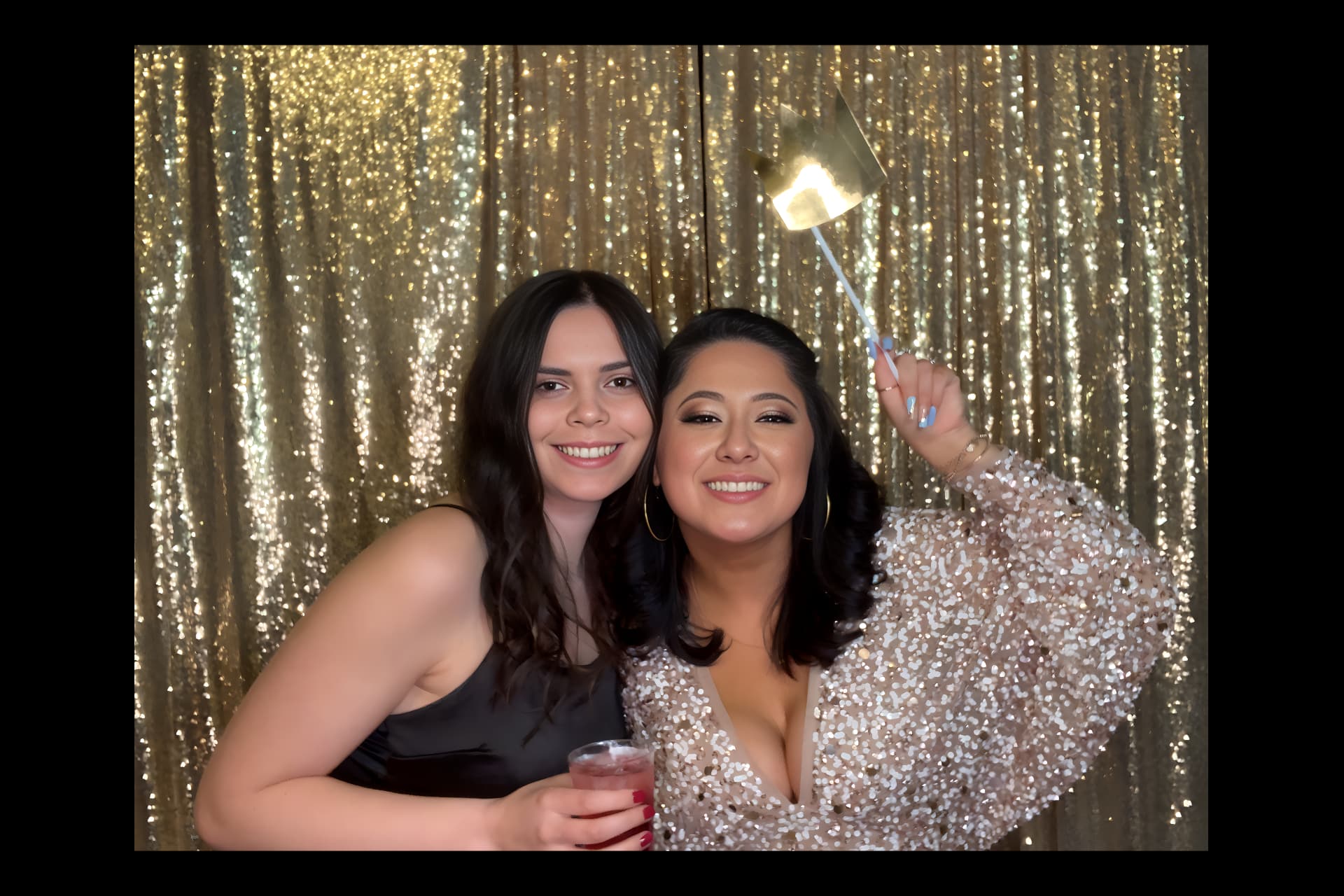
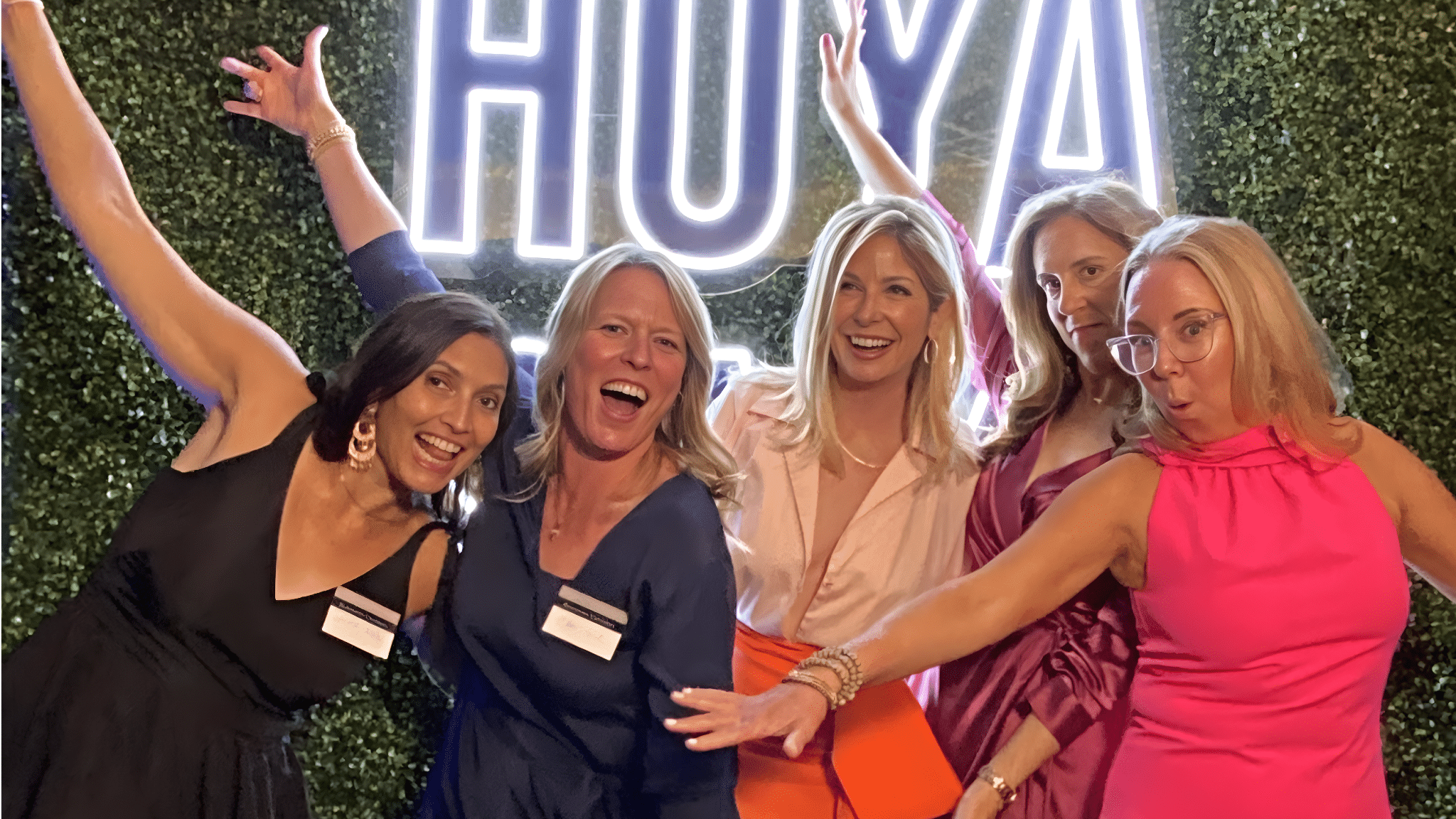
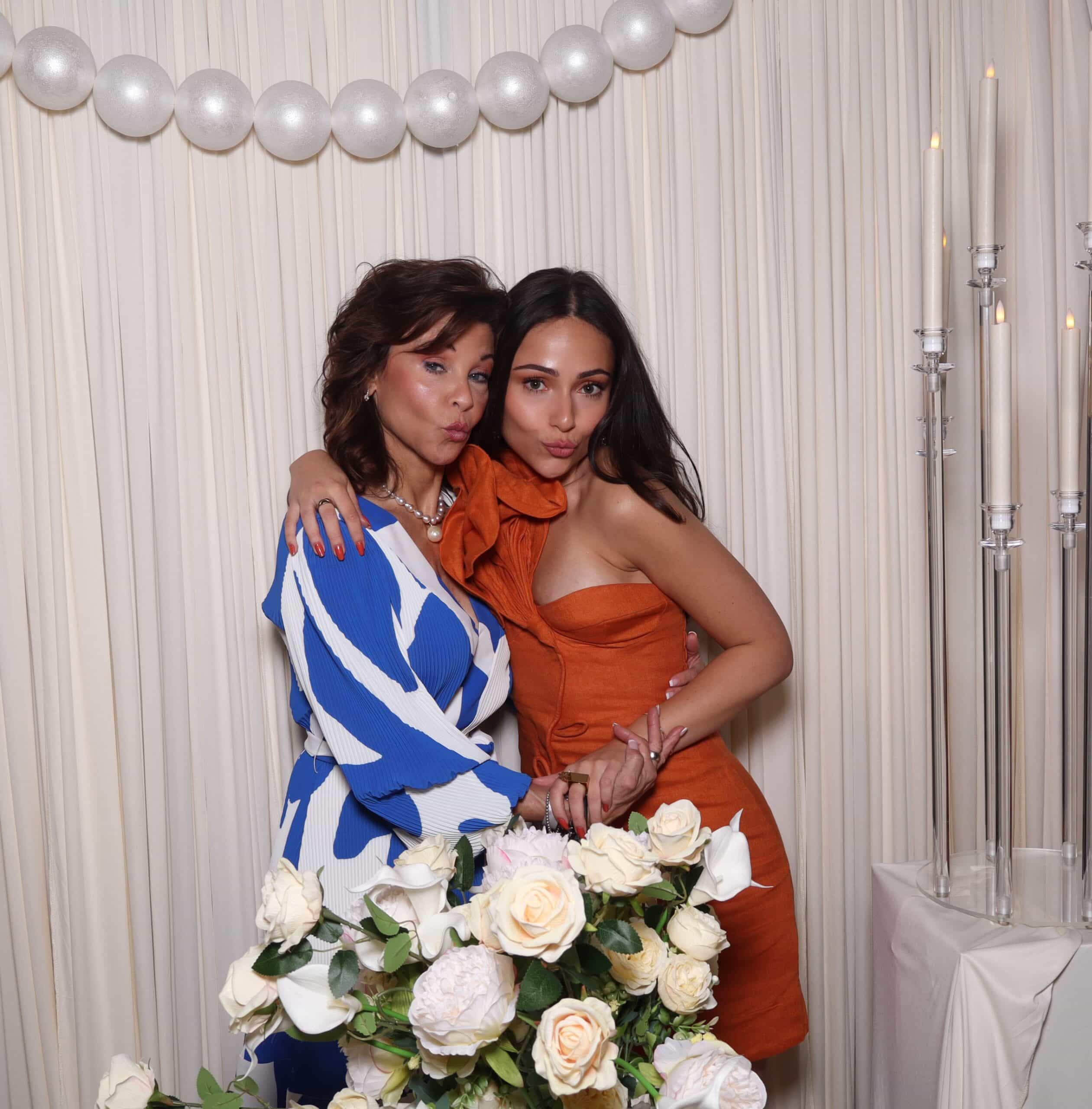
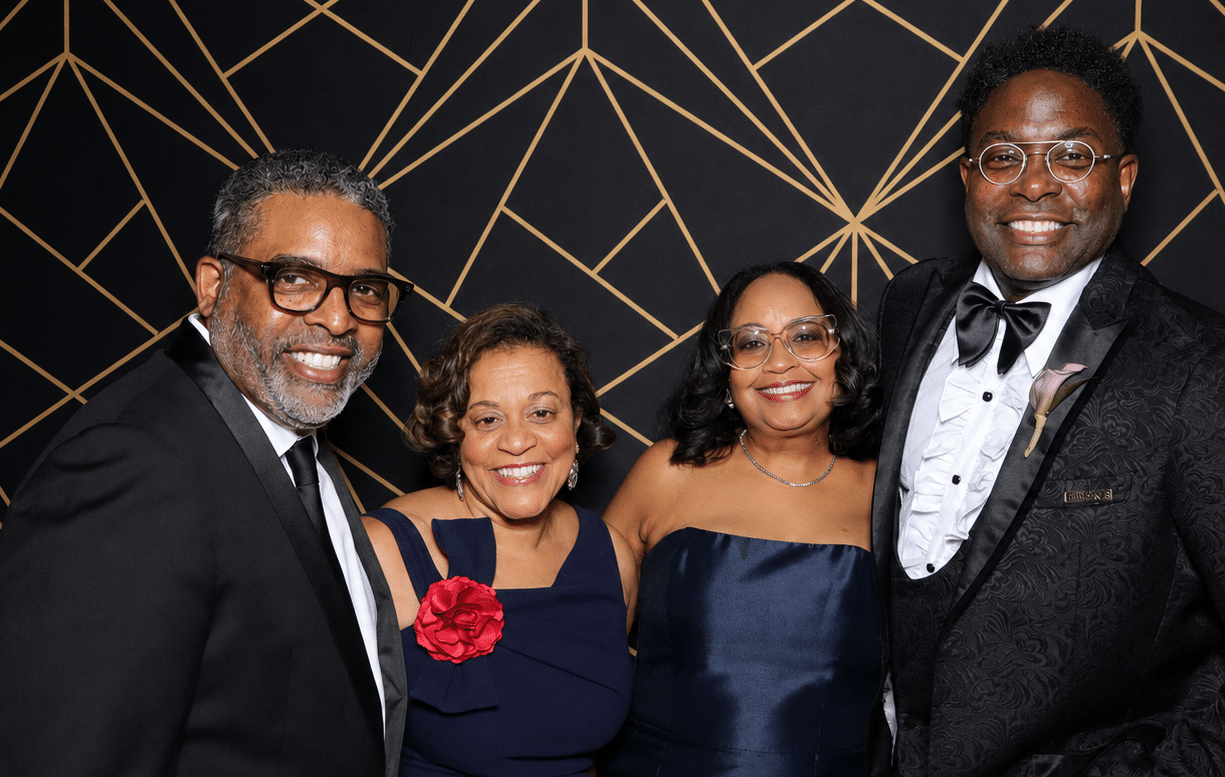
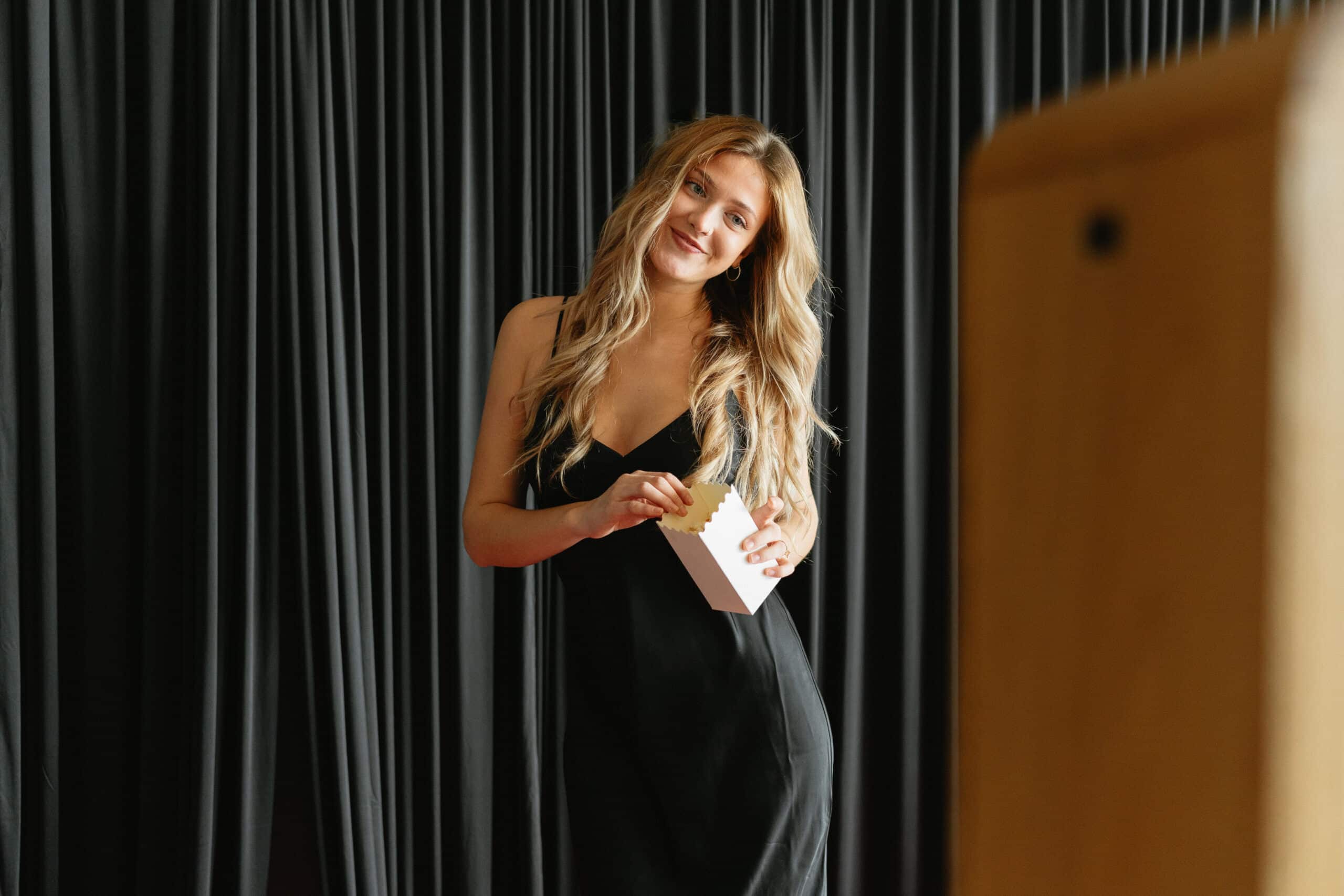
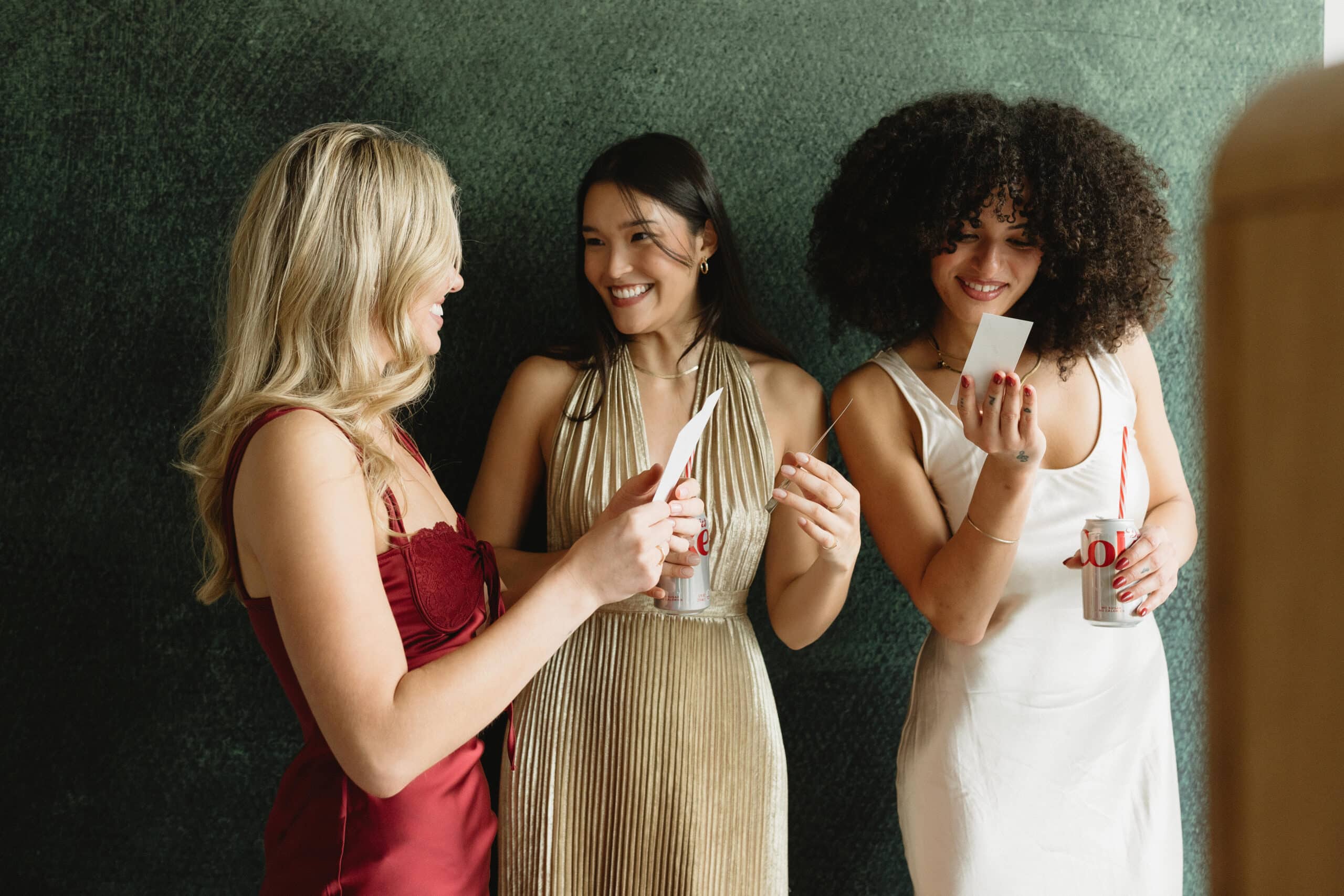
A professionally lit Portrait Studio may be ideal for capturing guests in formal attire. A black-and-white Glam experience can create timeless photographs, while an interactive experience such as Scribbl’d can invite guests to respond to a prompt connected to the organization or occasion.
Starting with the desired guest experience is usually more helpful than beginning with, “Which booth should we rent?”
2. Consider the Room
A photo booth does not exist separately from the rest of the event.
Consider the venue’s architecture, décor, lighting, guest attire and overall atmosphere. A large themed installation may work beautifully in a spacious reception area but feel overwhelming in a narrow hotel foyer. A refined portrait experience may complement a black-tie ballroom better than an elaborate backdrop.
Ask:
- Where will the experience be placed?
- Will guests be able to see it?
- Does its design complement the room?
- Is there enough space for guests to participate and wait?
- Will the lighting in the venue affect the photographs?
- Will the setup compete with the stage, décor or other focal points?
The goal is not to add a photo booth to the room. It is to design an experience that feels like part of it.
3. Think About When Guests Will Use It
Timing is one of the most important parts of selecting a gala photo booth.
Consider a gala with 400 guests arriving between 6:00 and 7:00 p.m. If cocktail hour is the primary opportunity for photographs, one experience may need to accommodate a large number of guests within a short window.
That requires a different approach from a gala where the photo booth remains open after dinner, during program breaks and alongside dancing.
Before selecting an experience, review the full event timeline:
- When will most guests arrive?
- How long is cocktail hour?
- When does the formal program begin?
- Will there be natural breaks?
- Will guests return to the reception area after dinner?
- When will the dance floor open?
- What other activities will compete for their attention?
A highly personalized interaction may take slightly longer but create a more meaningful result. A faster capture experience may be more appropriate when participation is concentrated into one hour. For larger events, multiple stations or a roaming component can also help reach more guests.
The total attendance matters, but the amount of time available for participation matters just as much.
4. Plan for Guest Flow
A beautiful photo experience is not particularly useful if guests cannot find it or if its line blocks the ballroom entrance.
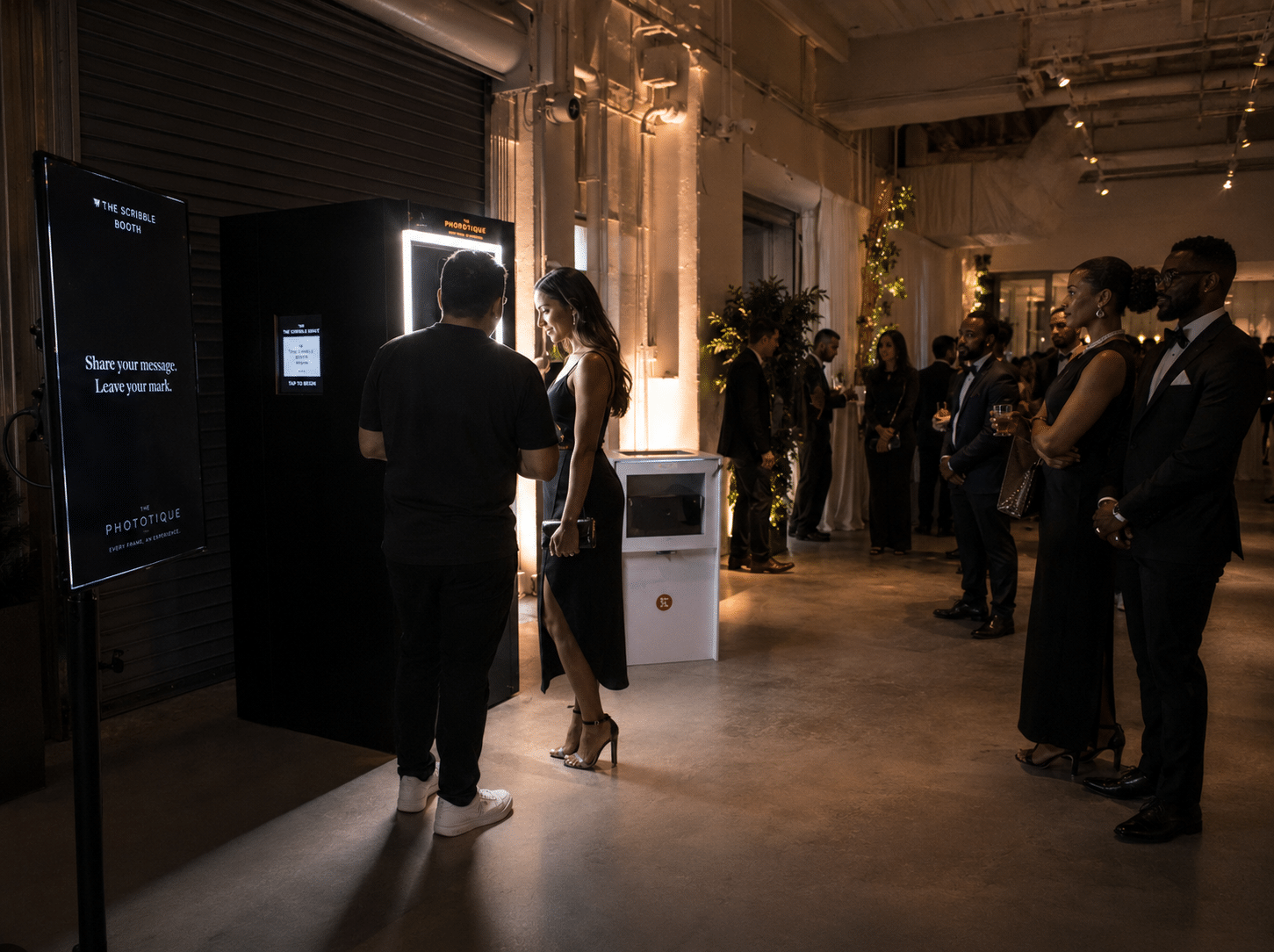
Placement should make the experience visible and inviting without interfering with registration, bars, catering, entrances or service traffic.
Ideally, the location should provide:
- Clear visibility
- Enough room for guests to gather
- Space for an orderly line
- Convenient access to power
- Separation from major traffic paths
- A natural connection to the progression of the event
Washington, DC galas are frequently held in hotels, museums, historic properties and venues with specific production requirements. Scheduled loading access, freight elevators, security procedures and limited setup windows can all influence which experience is practical for the space.
These details should be considered before event day—not discovered during setup.
5. Think About What Leaves the Room
5. Match the Experience to the Guest Count
Guest count alone does not determine how many people a photo booth can accommodate.
The type of experience, number of steps involved, size of the groups and length of the participation window all affect capacity.
For example, an individual portrait session will move differently from a group photo experience. An activation that asks guests to write a message, select a design or create a personalized keepsake may require more time, but it can also produce deeper engagement.
For a larger gala, consider:
- How many guests are expected to participate?
- Will they arrive at once or throughout the evening?
- Will guests participate individually, as couples or in groups?
- How much time does each interaction require?
- Would a second station improve the experience?
- Could roaming photography reach guests who may not visit a stationary setup?
The right recommendation balances the quality of the interaction with the number of guests you want to engage.
6. Choose an Experience That Supports the Event
Different photo experiences serve different purposes.
| If your priority is… | Consider… |
|---|---|
| Formal, polished portraits | Portrait Studio, Glam or Glam Noir |
| High participation in a limited period | Signature Print or multiple capture points |
| Reaching guests throughout the room | Roaming photography |
| Mission-driven participation | Scribbl’d or another prompted experience |
| Sponsor engagement | A custom-branded experience or Sponsor Content Studio |
| A personalized takeaway | Trading cards, magnets, keychains or Flip’d lenticular photos |
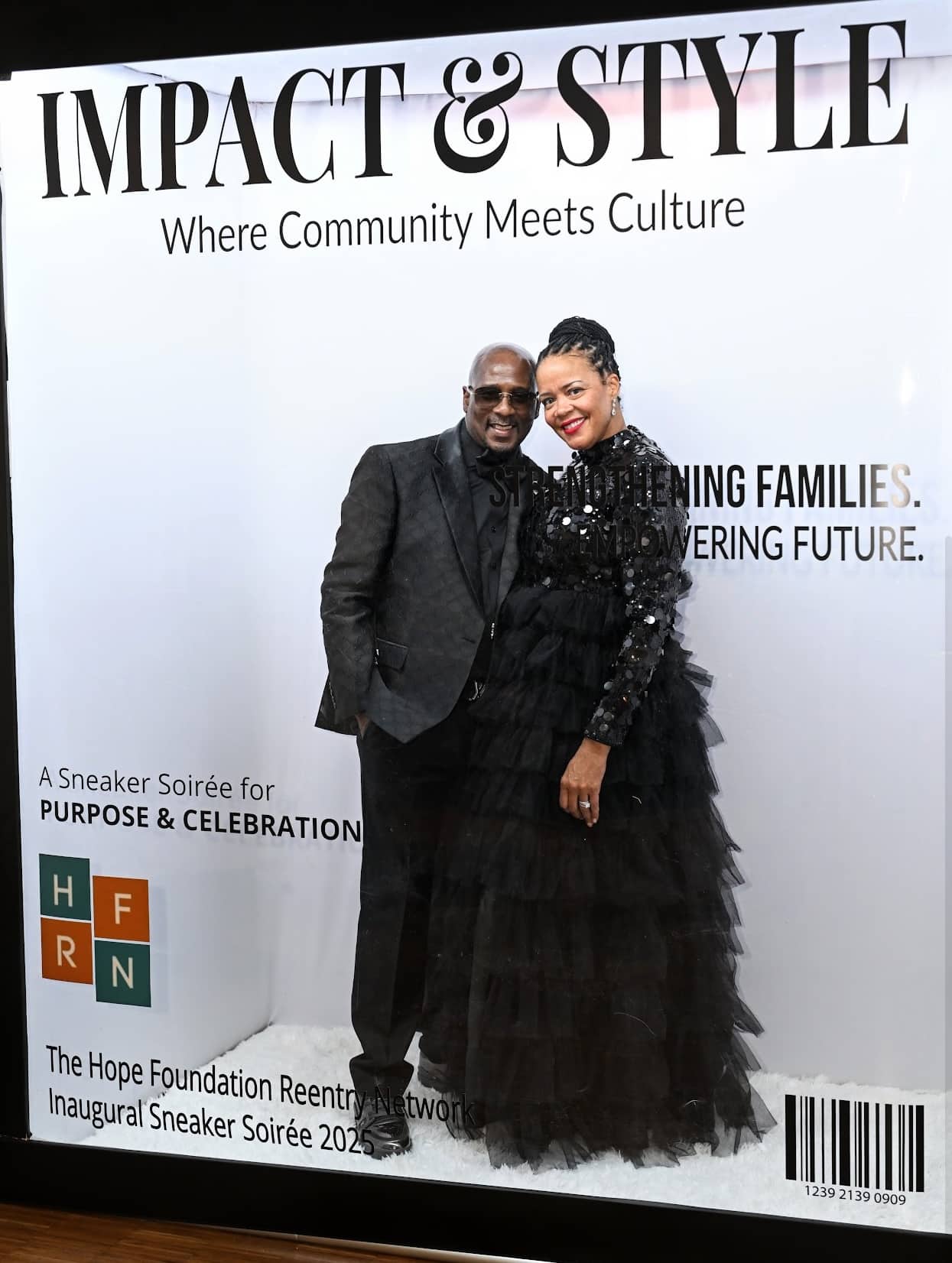
| A visual statement in the room | Magazine Cover Booth, Reflection Mirror or a custom immersive installation |
The best choice is the one that supports both the atmosphere of the gala and the way guests are expected to participate.
7. Make the Branding Feel Intentional
Gala branding can go beyond placing a logo at the bottom of a photograph.
The event’s visual identity can be incorporated through lighting, colors, typography, prompts, scenic elements and the format of the final keepsake.
For a fundraiser, the experience might invite guests to share a message related to the organization’s mission. An anniversary gala could draw inspiration from the organization’s history. A sponsored experience can connect the sponsor to a memorable guest moment without making every photograph feel like an advertisement.
The strongest branding feels integrated into the experience rather than added on afterward.
8. Think About What Leaves the Room
The experience does not have to end when the photograph is taken.
Traditional prints remain a beautiful option, particularly when the photography and presentation suit a formal event. However, guest images can also become:
- Magnets
- Acrylic keychains
- Personalized trading cards
- Lenticular photos in motion
- Premium portraits in presentation folders
- Digital content created for sharing
The best keepsake should make sense for the event. A formal portrait may call for a beautifully presented print, while a themed celebration may benefit from something unexpected and playful.
A well-chosen takeaway allows the gala experience to continue after guests leave.
9. Don’t Overlook the Logistics
The part guests remember is the experience. The part that makes it successful is the planning behind it.
Important details include:
- Available footprint
- Power requirements
- Load-in access
- Setup time
- Venue security
- Lighting conditions
- Internet availability
- Printing and replenishment
- Staffing
- Queue management
- Breakdown requirements
These are not simply production details to address after booking. They can help determine which photo booth experience is right for the event in the first place.
Frequently Asked Questions
What type of photo booth is best for a gala?
The best photo booth depends on the atmosphere and goal of the event. Portrait Studios and Glam experiences work well for formal photography, while interactive booths, roaming photography and personalized keepsakes can support guest engagement, event storytelling or sponsor visibility.
How much space does a gala photo booth need?
Many open photo experiences work best with approximately 8-by-8 to 10-by-10 feet. The exact requirement depends on the backdrop, lighting, printing station and amount of space needed for guests to gather.
How many photo booths are needed for 400 guests?
It depends on how long the experience will be available and how many guests are expected to participate. If most participation must happen during a one-hour cocktail reception, multiple capture points or a combination of stationary and roaming photography may be more effective than relying on one station.
When should a photo booth open at a gala?
Many galas open the experience during cocktail hour and make it available again after the formal program. The best schedule depends on guest arrival, dinner, awards, entertainment and dancing.
The Event Comes First
There is no single “best” photo booth for every gala.
A great gala photo experience should make sense for the venue, complement the atmosphere, work with the program and give guests a reason to participate. It should also operate smoothly behind the scenes, from load-in through the final photograph.
At The Phototique, we begin with the event and recommend the experience from there.
Planning a gala or fundraiser in Washington, DC, Maryland or Northern Virginia?
=